
Planning a trip to Singapore is wonderfully unique because it completely breaks the standard rules of Southeast Asian travel. It combines the spotless efficiency, blistering air conditioning, and luxury infrastructure of a premier global financial capital with the rich, chaotic soul of multi-ethnic street food culture.
In a single afternoon, you can step from the historic colonial verandas of Raffles into an open-air hawker stall to slurp down a Michelin-starred five-dollar bowl of vinegar-laced pork noodles, before cooling off inside a modern shopping mall for a quick basket of soup dumplings at Din Tai Fung. To help you navigate the city like a seasoned pro, here is our comprehensive Singapore travel guide covering everything you need to know about neighborhood bases, transit logistics, hawker etiquette, and planning your days.
After more than a dozen visits to Singapore over the last fifteen years, Eric and I have watched this island city-state evolve from our frequent regional visa-run escape into one of our absolute favorite culinary playgrounds in the world. We’ve experienced it from every angle: whirlwind 24-hour airport layovers between flights, week-long conference stays, extended weeks spent dog-sitting for friends in quiet residential neighborhoods, and deep-dive eating holidays bouncing from morning kaya toast stalls to midnight seafood feasts.
*This post contains compensated links. Find more info in my DISCLAIMER. As an Amazon Associate, I earn from qualifying purchases.
Quick Facts: Essential Singapore Travel Logistics
| Travel Category | Essential Logistics & Data | Practical Traveler Takeaway |
|---|---|---|
| Best Months to Visit | February to April & July to September | Slightly lower rainfall windows; high humidity is constant year-round (~31°C / 88°F). |
| Primary Transit Hub | Singapore Changi Airport (SIN) | Consistently rated among the world’s best; connected to downtown via MRT (East-West Line) or 20-minute taxi. |
| Public Transportation | SMRT (Subway) & Public Buses | Tap in and out directly with contactless Visa, Mastercard, Apple Pay, or standard EZ-Link cards. |
| Ride-Hailing App | Grab & Gojek | Fast, reliable, metered pricing; standard street taxis are also metered, honest, and take cards. |
| Currency & Payments | Singapore Dollar (SGD / S$) | Contactless cards accepted nearly everywhere; hawkers and small wet market stalls require cash. |
| Hawker Centre Etiquette | Table “Choping” with Tissue Packs | Leave an inexpensive packet of pocket tissues on an empty table to reserve your seat before ordering. |
| Tray Return Mandate | Compulsory Tray & Crockery Return | Clearing your table tray and used dishes to designated collection racks is strictly enforced by law. |
| Taxes & Surcharges | 10% Service Charge + 9% GST | Added automatically to restaurant and hotel bills (“++”); hawker stall prices are strictly net. |
Table of Contents
When Is the Best Time to Visit Singapore?
Because Singapore sits roughly 85 miles north of the equator, it does not experience four distinct seasons. Instead, you can expect warm, tropical weather year-round, with daily temperatures hovering consistently around 31°C to 33°C (88°F to 91°F) paired with 80% humidity.
The primary seasonal shift comes down to the Northeast Monsoon, which typically brings frequent, heavy afternoon cloudbursts between November and January. The months of February through April often bring slightly sunnier skies, while July through September offer pleasant outdoor conditions alongside major events like the Singapore Food Festival and the Singapore Grand Prix.
No matter what month you land, packing light, breathable natural fabrics is essential. Just as important: always carry a light layer or cardigan. The transition from the outdoor equatorial heat to the aggressively air-conditioned MRT trains, luxury shopping malls, and hotel lobbies is famously dramatic.
Doing a quick trip to Singapore? Check out our Singapore Layover Guide to make the most of your time.
How to Get Around Singapore Effortlessly
Singapore is arguably the easiest city in Southeast Asia to navigate, thanks to an impeccably clean, hyper-efficient public transit grid and transparent taxi regulations.
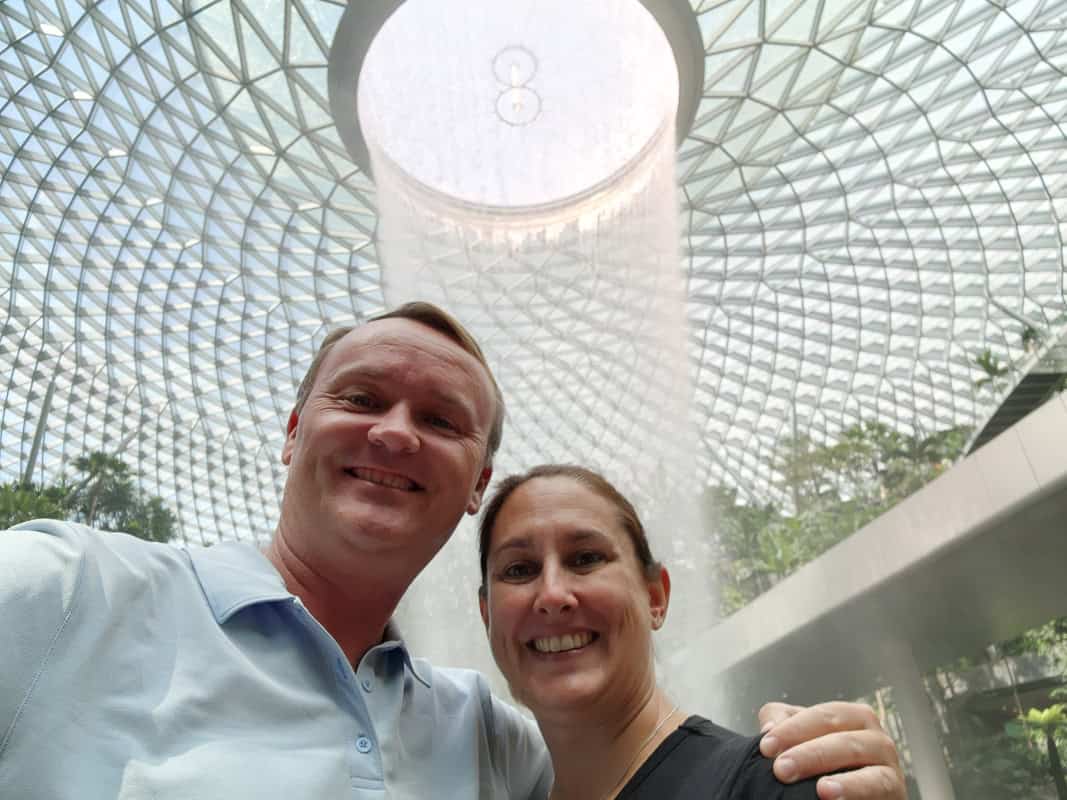
- Arriving at Changi Airport: Located at the eastern tip of the island, Changi is an attraction in its own right (especially the multi-level indoor waterfall and garden canopy inside Jewel Changi). Getting downtown takes roughly 20 to 25 minutes by taxi or Grab (costing approximately 25 to 35 SGD), or about 45 minutes by boarding the MRT East-West Line from Terminals 2 or 3.
- Riding the MRT (Mass Rapid Transit): The subway system is spotless, air-conditioned, and fully bilingual. There is no need to purchase separate paper tickets or wait in line for transit passes: simply tap your contactless Visa, Mastercard, Apple Pay, or Google Wallet directly on the turnstiles at every station.
- Using Grab and Taxis: While public transit is fantastic, Singapore taxis are regulated, safe, and metered. Ride-hailing apps like Grab and Gojek work seamlessly across the island. During peak evening dinner rushes or sudden tropical downpours, booking through the app avoids long queues at designated hotel taxi stands.
- Walking: Some areas of Singapore are actually fairly walkable, if you can handle the heat. It’s really the best way to explore some of the Singapore neighborhoods, particularly in the early morning before the sun starts to bake. There are also walkways underground, leading out from many of the downtown MRT stations.
Check out our 3-Day Singapore itinerary to make the most of your time.
Where to Stay in Singapore: Choosing the Right Base
Where you base yourself shapes your daily walking pace. Over our visits, we’ve found that staying along the retail spine of Orchard Road, the historic corridors of Chinatown and Tanjong Pagar, or the riverfront promenades of Clarke Quay offers the best balance of transit connectivity and dining options.
Orchard Road: Best for Luxury, Retail, and Central Island Connectivity
Orchard Road is Singapore’s premier shopping boulevard, lined with multi-story fashion arcades, world-class department stores, and flagship luxury towers. It offers direct subway access to every corner of the island via the North-South and Thomson-East Coast MRT lines.
- Sheraton Towers Singapore: A long-time favorite base of ours near Newton MRT. It offers a relaxed, refined respite from the bustling street shopping, with great Cantonese dining at Li Bai and fantastic seasonal seafood dining. It’s also walkable in a few minutes to the Newton Circus Hawker Center.
- Singapore Marriott Tang Plaza Hotel: Perfectly situated at the corner of Orchard and Scotts Road, sitting directly above Orchard MRT Station with immediate covered access to luxury shopping and dining.
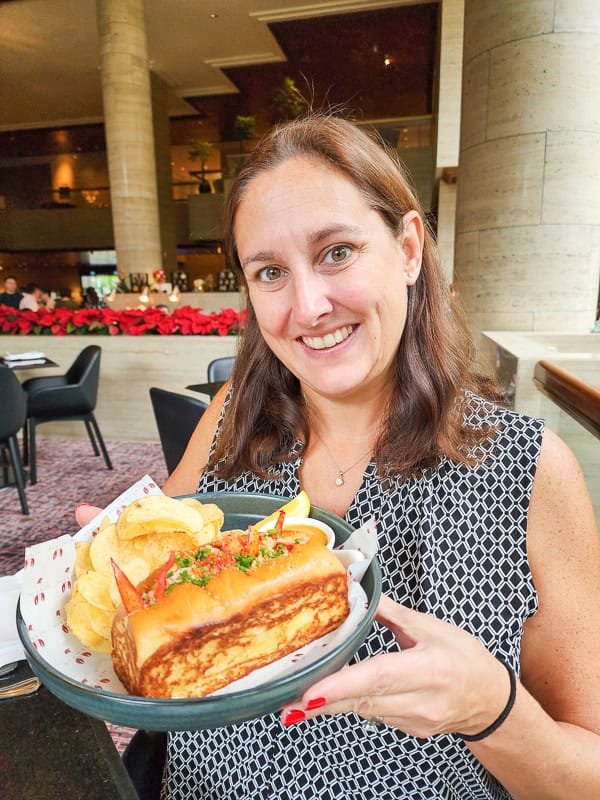
We have been loyal Marriott folks forever. Of these two properties, the Marriott Tang Plaza is more centrally located, but will run a little more than the Sheraton Towers. Sheraton Towers does feel more like a retreat away from the direct hustle and bustle, but it’s still super easy to get around. Both have great restaurants on property, and look for the Sheraton Towers occassional lobster roll special!
Tanjong Pagar & Chinatown: Best for Heritage, Boutique Hotels, and Hawker Access
Sitting just south of the financial district, this neighborhood bridges historic 19th-century Peranakan shophouses with modern skyscraper architecture. It places you within a short walk of iconic hawker institutions like Maxwell Food Centre and Chinatown Complex.
- Maxwell Reserve Singapore, Autograph Collection: A gorgeous heritage conversion along Cook Street featuring rich interior design, deep culinary programs, and immediate walking access to Chinatown’s street stalls.
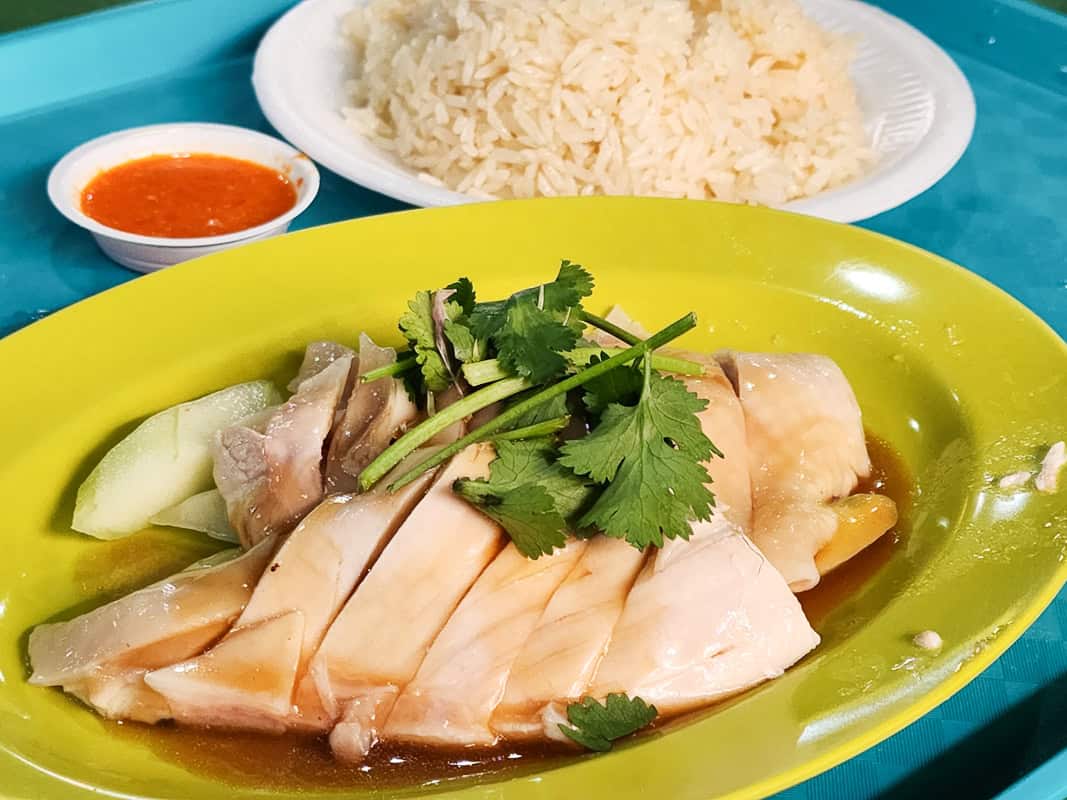
Maxwell Food Centre was probably one of our earliest hawker centre memories of Singapore. It remains on our must-eat list for every visit regardless of where we are staying in Singapore. It’s home to amazing Hainese chicken rice. But the Chinatown area is also just a nice place to stay as it’s easy to get around, and so many of the buildings are historic. Completely different from the downtown highrises.
Clarke Quay & Bugis: Best for Riverfront Walking and Conference Access
For business travelers attending exhibitions like ITB Asia at the Marina Bay Sands convention complex or the Suntec Singapore Convention Centre, the riverfront and civic districts offer prime locations.
- Holiday Inn Express Singapore Clarke Quay: A practical, comfortable base we’ve returned to multiple times for conferences. It offers modern rooms, an elevated rooftop swimming pool, and easy walking access along the Singapore River promenades.
- Fraser Residence / Frasers Hospitality Properties: Exceptional extended-stay and boutique serviced apartment options around Bugis and the civic core, ideal for longer visits requiring extra living space and kitchen amenities.
We often visit Singapore for conferences, particularly at Marina Bay Sands. The Marina Bay Sands is perenially out of our budget, and is also a bit out of the way. So, we tend to look for Singapore hotels that we use as an easy base for both the conference and great food. Clarke Quay is one of those areas! It also means lovely walks along the river too!
Hawker Centres and Singapore Food Culture
If you want to understand Singapore’s soul, head directly to its hawker centres. Inscribed on the UNESCO Representative List of the Intangible Cultural Heritage of Humanity, these open-air, covered dining pavilions gather dozens of independent food stalls under one roof, with generational cooks mastering a single dish.
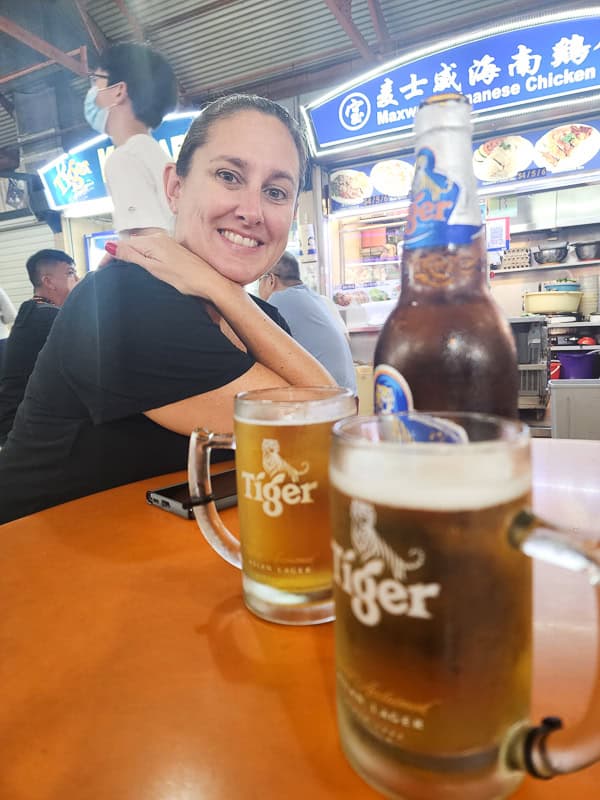
Hawker centres one of the reasons we continue to return to Singapore year after year. The hawker centres offer so many different types of cuisine under one roof, and they have made street food in Singapore so accessible. Everything is spotless!
For a full breakdown of the island’s iconic culinary staples, dive into our Singapore Food Guide. Or, check out our Ultimate Guide to Singapore Hawker Centres.
The Golden Rule of Hawker Etiquette: Choping
Finding a table during peak lunch (12:00 PM to 1:30 PM) or dinner (6:30 PM to 8:00 PM) can feel like an Olympic sport. In Singapore, locals reserve their table before queuing for food using a practice called choping.
- The Tissue Pack Rule: Place an inexpensive packet of tissues, an umbrella, or a business card flat on the table or bench. This universally signals that the seat is claimed.
- Ordering and Collection: Once your table is choped, head to your chosen stalls to queue, order, and pay. Most stalls prepare your food in front of you on a plastic tray.
- Tray Return: By law, all diners must clear their own food trays, crockery, and empty drink glasses to designated “Tray Return Stations” when finished. Leaving dirty dishes on the table can result in fines.
Three Essential Hawker Centres to Visit
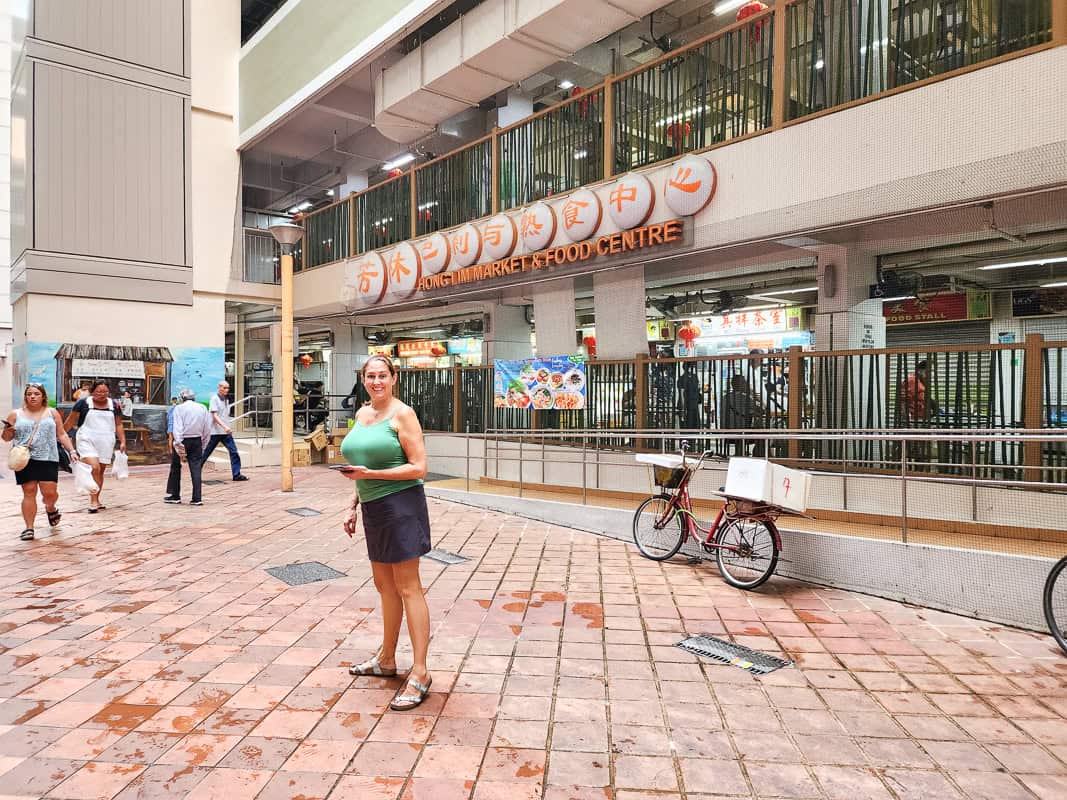
There are estimated to be 123 official hawker centres in Singapore, so no, we have not been to them all. Every local and every traveler probably has their list of favorites. Some are obvious, and some are not. We continue to find new ones to visit each trip. Here are three of our must-visit stops:
- Maxwell Food Centre (Chinatown): Famous worldwide for Tian Tian Hainanese Chicken Rice, alongside crispy oyster cakes, fish head bee hoon, and Cantonese congee.
- Old Airport Road Food Centre (Geylang / Mountbatten): A massive local favorite famous for char kway teow, hokkien mee, and wok-tossed clams (lala).
- Newton Food Centre (Newton): An energetic, open-air night destination ideal for outdoor dining, famous for spicy sambal stingray, barbecued chicken wings, and ice-cold Tiger Beer. Definitely look for the stingray!
Cost of Traveling in Singapore: Where to Spend and Where to Save
One of the biggest misconceptions about visiting Singapore is that the entire island is prohibitively expensive. While it consistently ranks as one of the world’s costliest cities, the reality on the ground depends entirely on where you allocate your dollars.
Lodging and alcohol easily devour the lion’s share of your budget. Hotel rooms—particularly upscale four- and five-star properties along Orchard Road or Marina Bay—often run 350 to 550 SGD (~265 to 415 USD) per night before taxes, and space comes at a premium.
Meanwhile, heavy government excise duties on alcohol (the famous “sin tax”) mean a standard glass of wine, craft beer, or cocktail in a sit-down bar easily hits 22 to 32+ SGD (~16.50 to 24.50+ USD) once mandatory 10% service charges and the 9% GST are added. Compared to regional neighbors like Thailand, Vietnam, or Malaysia, having a few drinks with dinner adds up fast.
However, daily ground logistics and everyday eating are remarkably affordable if you know where to look. Singapore’s public transit network is one of the world’s great bargains: you can cross the entire island on the clean, air-conditioned MRT for 1.50 to 2.80 SGD (~1.15 to 2.10 USD) per ride just by tapping your contactless credit card. You don’t need private transfers or tour buses when the subway drops you right at the doorstep of every major sight and neighborhood.
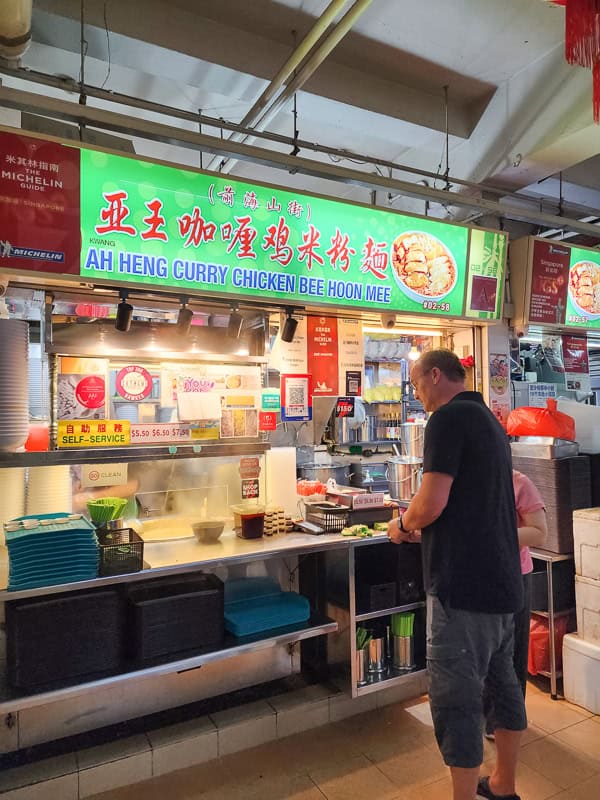
The real equalizer, though, is the food. If you skip white-tablecloth tasting menus and Michelin-starred dining rooms, Singapore is a budget eater’s paradise. You can eat like royalty at open-air hawker centres for 4.50 to 8.50 SGD (~3.40 to 6.50 USD) a meal, dining on award-winning Hainanese chicken rice, steaming bowls of laksa, or crispy roti prata prepared by generational masters. By pairing upscale hotel stays with neighborhood street food grazing, self-guided walking routes, and the MRT, you can easily experience world-class luxury without an astronomical daily burn rate.
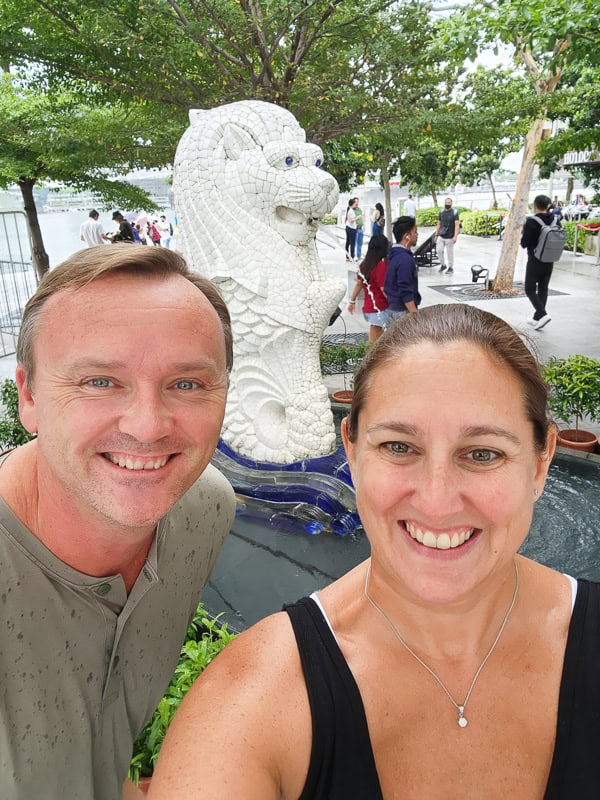
Essential Things to Do in Singapore Between Meals
- Wander the Supertree Grove at Gardens by the Bay: An architectural and botanical marvel featuring massive vertical garden structures, cooled conservatory domes (Cloud Forest and Flower Dome), and a nightly synchronized light-and-music show.
- Explore Little India and Kampong Glam: Wander the spice markets and flower garland stalls of Little India, then head to the historic Malay-Arab quarter of Kampong Glam to photograph the golden-domed Sultan Mosque and browse boutique textile lanes along Haji Lane.
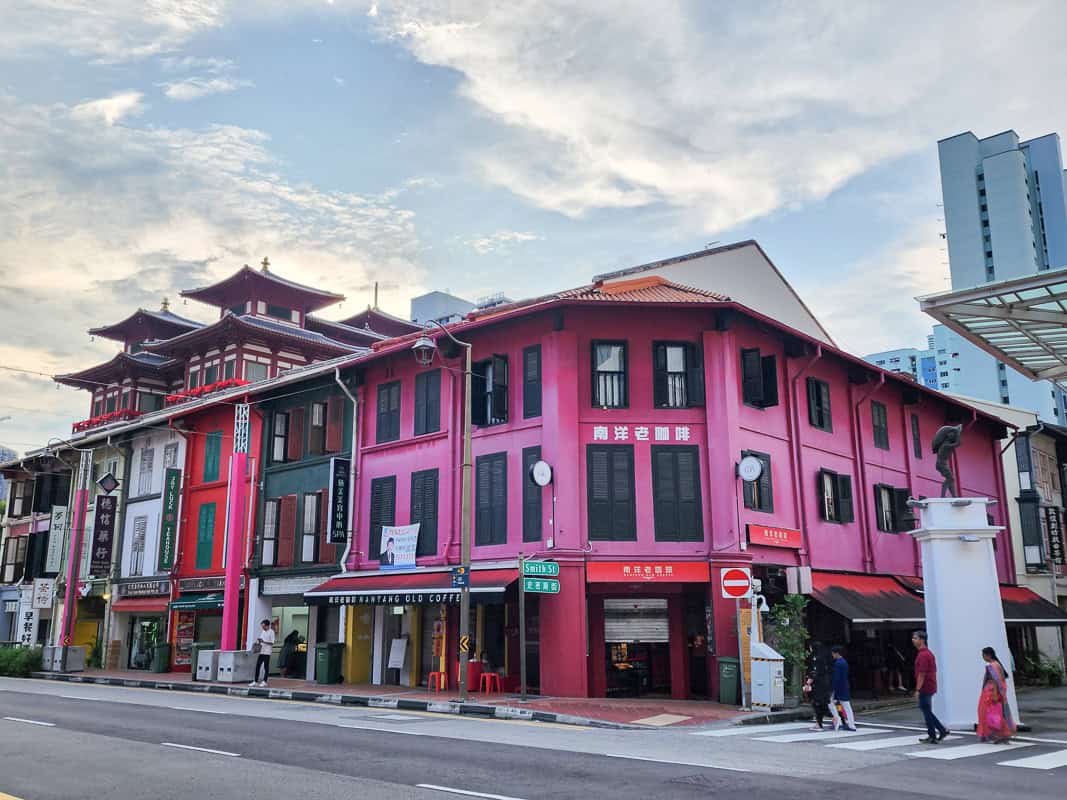
- Stroll the Historic Shophouses of Katong and Joo Chiat: The heart of Singapore’s Peranakan culture, famous for pastel-painted heritage facades, intricate ceramic tiles, and traditional Nyonya laksa joints.
- Walk the Southern Ridges and Henderson Waves: A scenic 10-kilometer elevated canopy walkway connecting Mount Faber Park to Telok Blangah Hill Park, offering lush rainforest views and sea breezes far above the urban buzz.
- Sample Din Tai Fung in the Shopping Mall Food Halls: While originally from Taiwan, dining at Din Tai Fung in Singapore’s lower mall concourses (like Paragon or Takashimaya) is a beloved local ritual. The razor-thin skins on their steamed pork soup dumplings (xiao long bao) and fragrant egg fried rice never disappoint.
Frequently Asked Questions: Planning a Singapore Trip
How Many Days Do You Need in Singapore?
A 3- to 4-day itinerary provides ample time to explore the primary ethnic quarters (Chinatown, Little India, Kampong Glam), visit Gardens by the Bay, sample four or five major hawker centres, and experience the riverfront promenades without feeling rushed.
Do You Need Cash for Food in Singapore?
Yes. While major restaurants, shopping malls, supermarkets, and taxis accept contactless credit cards and mobile wallets, traditional hawker stalls and local neighborhood drink counters operate strictly on cash (Singapore Dollars). Always carry small notes (S2,S5, and S$10).
What Is the Easiest Way to Pay for the Singapore MRT?
International travelers can tap their personal contactless credit or debit card (Visa or Mastercard) or mobile wallet (Apple Pay, Google Pay) directly at the MRT turnstiles and bus card readers. There is no need to buy an EZ-Link card unless you prefer a dedicated physical transport card.
Is Tap Water Safe to Drink in Singapore?
Yes. Tap water across Singapore is thoroughly filtered, treated, and completely potable, meeting all World Health Organization standards. You can comfortably refill reusable water bottles from hotel taps and public drinking fountains throughout the island.
Is Singapore Expensive to Visit?
Yes and no. Accommodations and alcohol are undeniably pricey—with luxury and upscale boutique hotels averaging 350 to 600+ SGD (~265 to 455+ USD) per night and craft cocktails running 25 to 35+ SGD (~19 to 26.50+ USD) due to steep alcohol excise duties. However, everyday expenses like public transit (under 3.00 SGD / ~2.25 USD per MRT trip) and hawker centre dining (4.50 to 8.50 SGD / ~3.40 to 6.50 USD per plate) make daytime sightseeing and eating exceptionally budget-friendly if you skip high-end Western dining rooms.