
Choosing where to stay in Porto can make or break your trip, especially if you are traveling primarily to eat and drink.
During the summer of 2022, we spent six full weeks living in an apartment midway up Rua do Almada in central Porto. That extended stay taught us two critical lessons about the city’s geography: first, Porto is wonderfully compact and walkable; second, the hills are serious business. While distances between historic sights, wine bars, and tascas are relatively short, almost every walk involves a calf-burning incline on slick cobblestone pavements (calçada portuguesa).
Pick the wrong base—like a riverfront room down at the bottom of the gorge—and you will spend your entire holiday hiking straight uphill just to grab a morning coffee.
Whether you want a boutique theater-inspired hotel steps from São Bento, a neighborhood apartment near Mercado do Bolhão, or a luxury wine retreat overlooking the Douro River, here is our honest, tested guide to the best neighborhoods to stay in Porto.
*This post contains compensated links. Find more info in my DISCLAIMER. As an Amazon Associate, I earn from qualifying purchases.
Quick Facts: Porto Neighborhood Bases
| Neighborhood | Vibe & Culinary Highlight | Best For | Hill Factor |
| Baixa / Bolhão | Bustling heart of the city; steps from Mercado do Bolhão, Francesinhas & historic cafes | First-time visitors, food market lovers & short weekend breaks | Moderate: Rolling streets, but largely along the central ridge |
| Cedofeita / Arts District | Hip, residential, indie galleries, craft beer bars, and specialty coffee | Longer stays, apartment rentals & younger travelers | Low–Moderate: Flatter plateau once you are up from the center |
| Bonfim | Authentic local quarter; old-school tascas (like A Cozinha do Manel) and quiet squares | Foodies avoiding tourist crowds & budget-conscious travelers | Low: Relatively flat terrain east of the center |
| Vila Nova de Gaia | Across the river; home of historic Port wine lodges, panoramic terraces & quiet nights | Wine lovers & luxury splurges (like The Yeatman) | Steep at the river, flat on the ridge |
| Ribeira (The Riverfront) | Postcard views, street performers, historic colorful facades | Photos only; we advise against staying here | Extreme: Deep basin; everything else requires an uphill climb |
Table of Contents
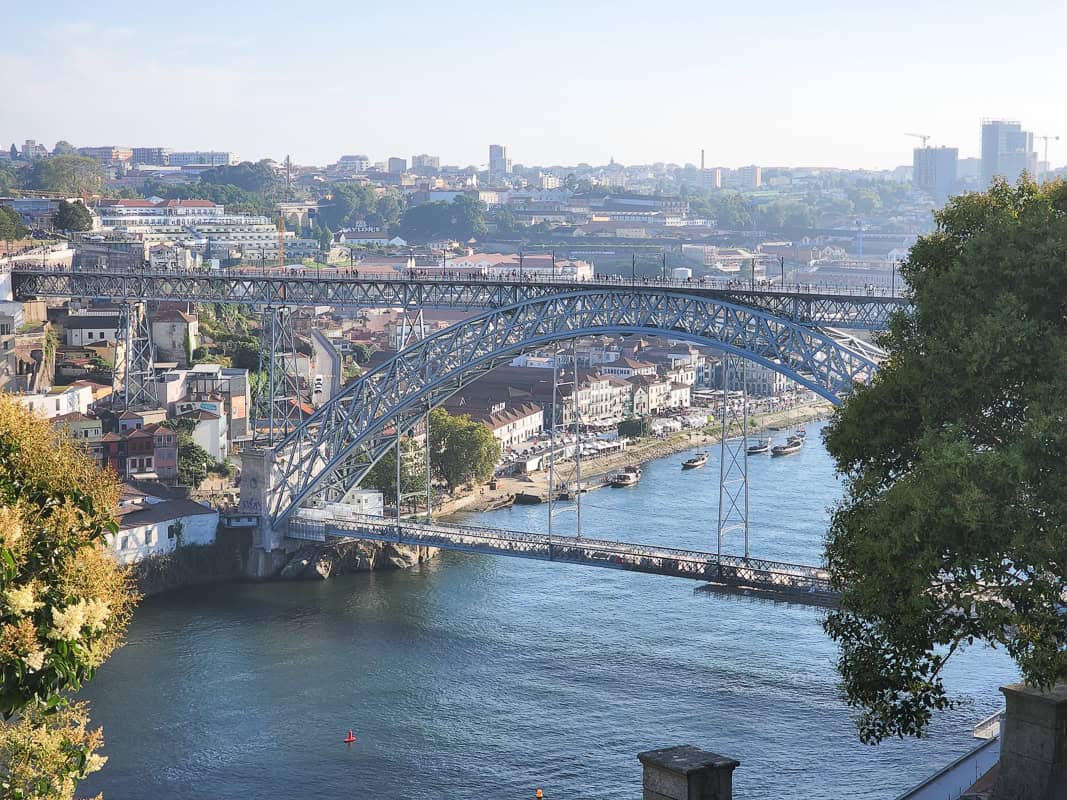
The Golden Rule of Porto Geography: The Reality of the Hills
Porto is exceptionally pedestrian-friendly, but its vertical topography means you will walk uphill in at least one direction on almost every outing.
The city is built into steep granite ravines rising directly up from the Douro River. When looking at a map, destinations often look only a few hundred meters apart. What the map doesn’t show is the 45-degree vertical incline between them.
We’ve always traveled to Porto for food and drink. We don’t mind the hills and it helps us work off all of the great dishes we eat in Porto.
During our summer stay, our rental apartment was located midway up Rua do Almada. No matter where we went—whether walking north to the metro or south toward the river—we had to tackle an uphill climb in one direction. Walking across the Dom Luís I Bridge to the port lodges in Vila Nova de Gaia is totally doable on foot, but it’s important to understand the hills in the city before choosing your hotel in Porto.
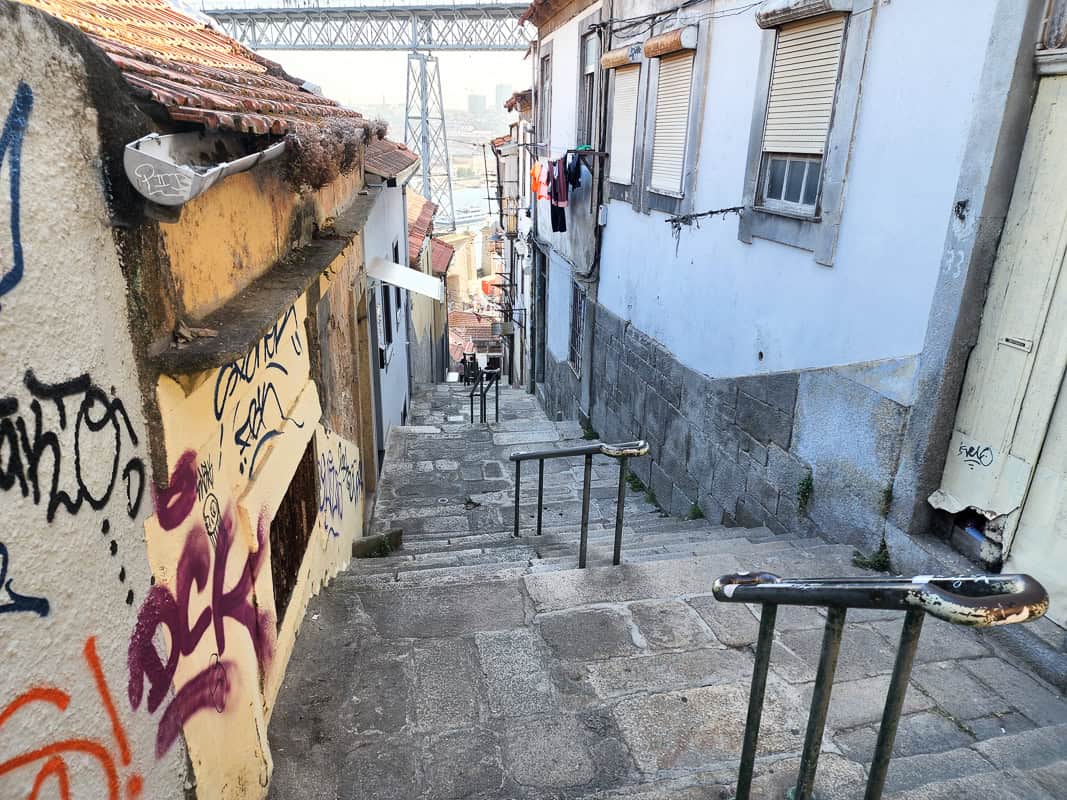
Our Practical Survival Tips for Porto’s Hills:
- Ditch the heels and smooth-soled shoes: The traditional limestone and cobblestones (calçada) become slick as ice when polished by foot traffic or damp morning mist. Wear sturdy sneakers or walking shoes with solid rubber grip.
- Master the upper vs. lower bridge crossings: The Dom Luís I Bridge has two decks. If you stay uphill in Baixa/Batalha, cross via the top deck to reach Jardim do Morro and upper Gaia without descending. If you are already at the riverfront, use the lower deck.
- Use public vertical transit: The Funicular dos Guindais connects the Ribeira riverbank to Batalha near São Bento, saving you a grueling vertical staircase climb for under €4.
- Embrace rideshares for steep hauls: Bolt and Uber are cheap in Porto. A ride between the riverbank and upper Baixa usually costs around €4 to €6.
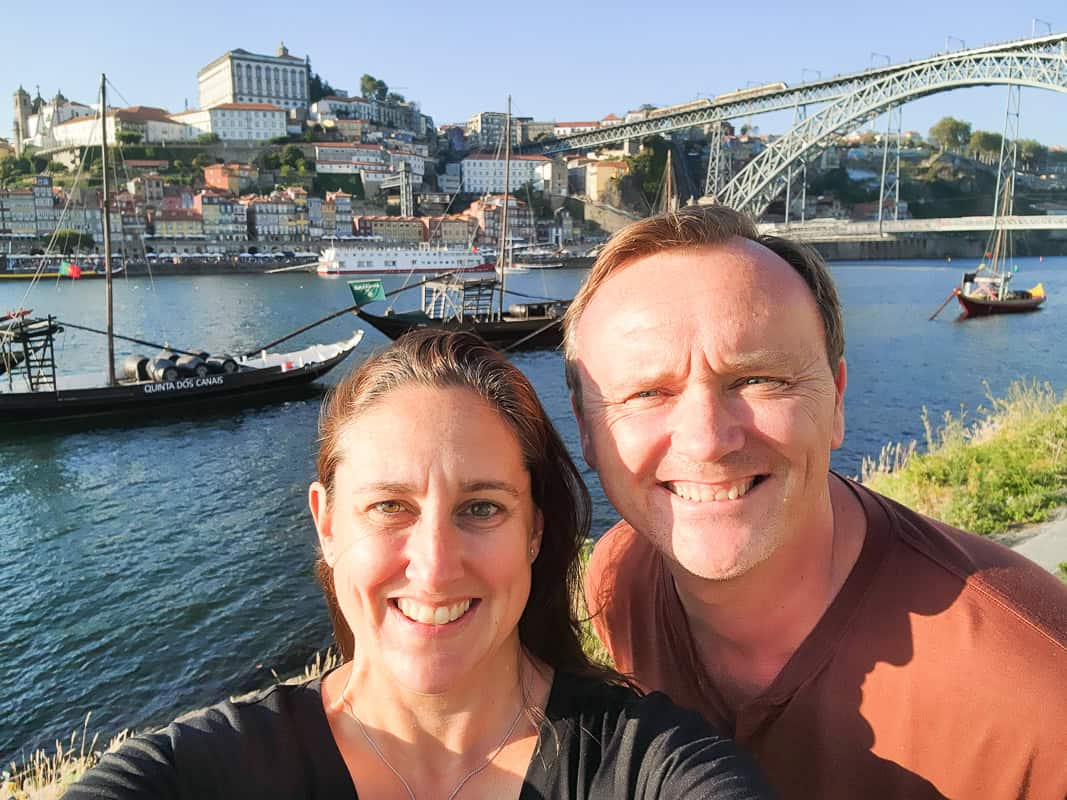
Why We Avoid Staying Directly in Ribeira
While the Ribeira riverbank is iconic on postcards, staying down by the river forces you to climb a punishing uphill grade every single time you leave your hotel.
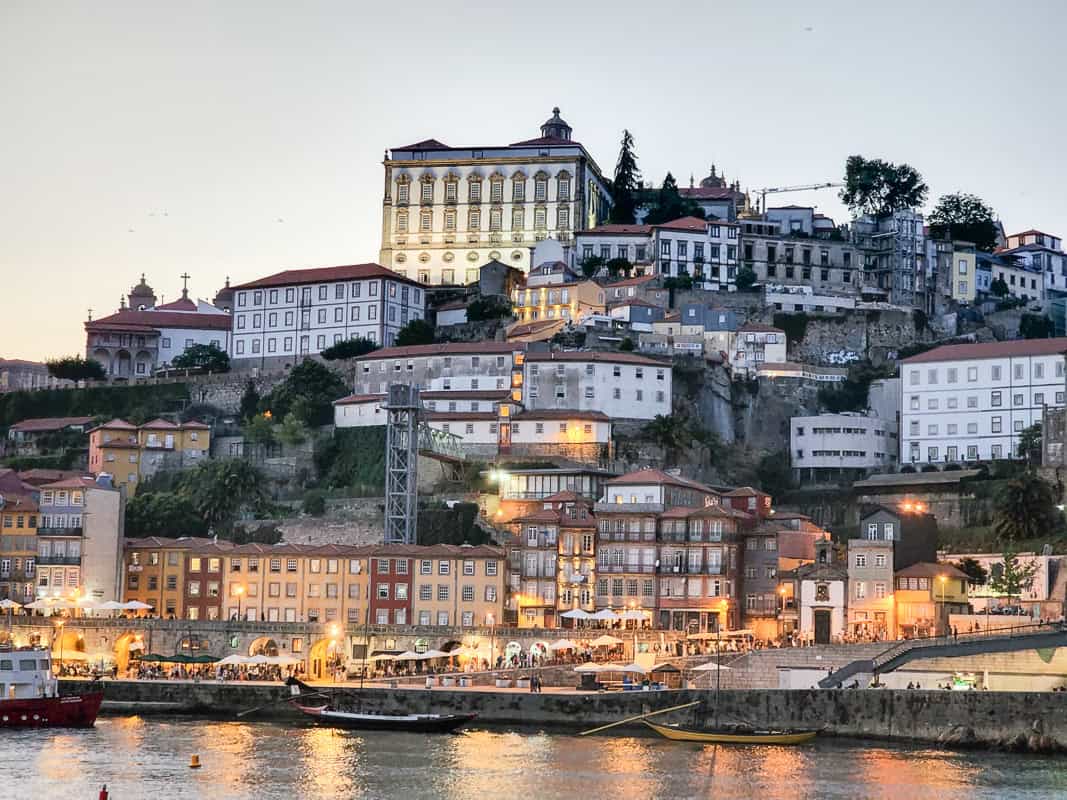
Ribeira is the historic riverfront district along the northern shore of the Douro River. It is undeniably picturesque. We walk the waterfront often, and sometimes stop for a bottle of wine. But staying here comes with significant drawbacks:
- The Valley Trap: Ribeira sits at the very bottom of the city’s deepest ravine. Every morning errand—heading to the grocery store, catching a train at São Bento, or walking to dinner in Baixa—requires hiking up steep alleys or long flights of stone stairs.
- Overcrowded & Commercialized: It is wall-to-wall tour groups during the day and can stay noisy late into the night with buskers and bar crowds outside your window.
- Tourist-Trap Menus: Most restaurants lining the riverfront promenade cater strictly to day-trippers with inflated prices and underwhelming Portuguese food. We tend to stop for a drink but tend not to eat there.
Visit Ribeira for a stroll along the water, but sleep uphill.
Best Neighborhood: Baixa & Bolhão (Central & Convenient)
Baixa and the Bolhão district form Porto’s vibrant central spine, offering flat access to the metro, historic bakeries, and municipal market stalls.
If it’s your first trip to Porto, this is the most practical and rewarding area to base yourself. Centered around Avenida dos Aliados and the historic São Bento Railway Station, you are within easy walking distance of the newly revamped Mercado do Bolhão, iconic sandwich counters like Café Santiago (for benchmark Francesinhas), and historic bakeries for morning buttered torradas.
Because Baixa sits along the upper ridge of the city center, getting around town is far easier than staying by the water.
Top Stays in Baixa & Bolhão
- Our Personal Stay: Hotel Teatro: Built on the exact site of the historic 1859 Baquet Theatre, this stylish 4-star boutique hotel embraces a dramatic, theatrical theme with bronze and gold accents, dim atmospheric lighting, and poetry inscribed on the doors. It sits right in the center of Baixa, just a two-minute walk from São Bento Station and steps from traditional tascas.
- Modern Food-Market Base: Mercador Guesthouse: This charming boutique guesthouse is set inside a restored 19th-century townhouse, featuring light-filled rooms decorated with vintage Portuguese furnishings and quiet private garden terraces. Its central location puts you within an easy morning stroll of Mercado do Bolhão’s bustling stalls and historic Baixa bakeries.
- Luxury Historic Splurge: InterContinental Porto – Palacio das Cardosas
This luxurious five-star property occupies a meticulously restored 18th-century palace right on the corner of Praça da Liberdade, offering lavish marble bathrooms and high-ceilinged suites. It places you directly on the central ridge of the city, allowing you to walk straight out the front doors to São Bento Station and top dining rooms without tackling steep hills.
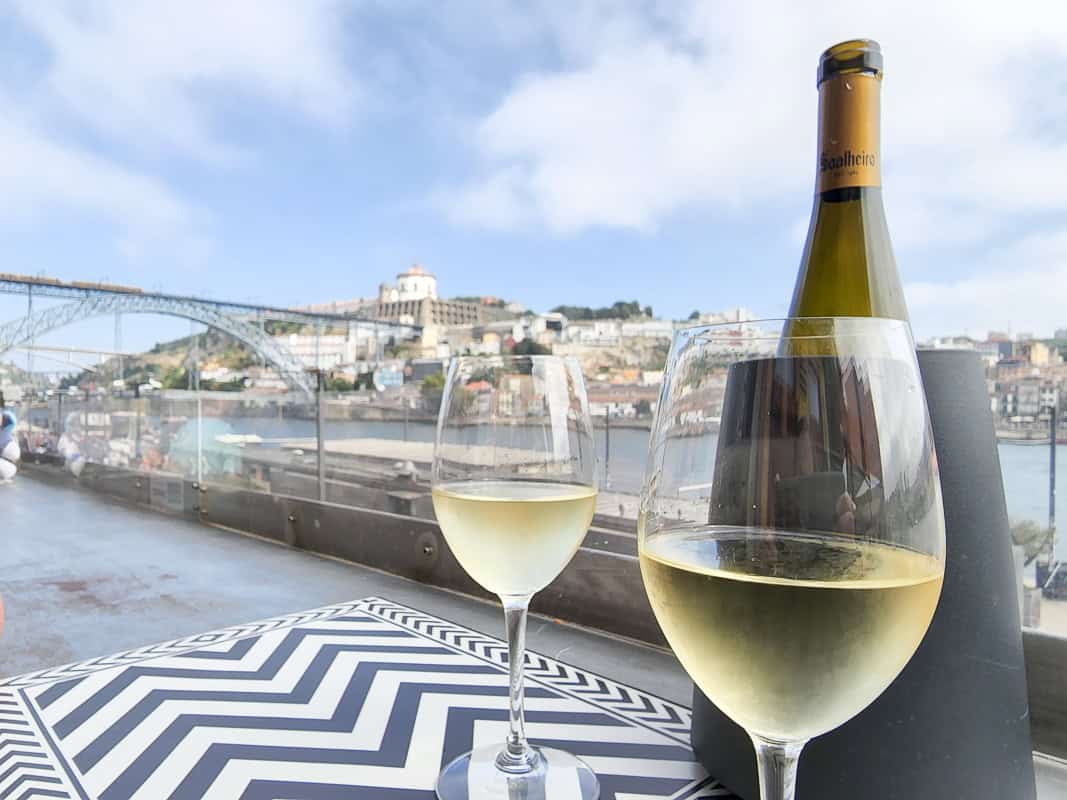
Best for Longer Stays & Neighborhood Living: Cedofeita & Rua do Almada
Cedofeita and the upper Almada corridor offer a relaxed neighborhood feel filled with independent wine bars, contemporary craft kitchens, and serviced apartments.
During our six weeks based in Porto, we rented an apartment on Rua do Almada, which runs parallel to Avenida dos Aliados. It proved to be an exceptional hub. By day, Almada is quiet and filled with hardware stores, local bakeries, and stationery shops; by evening, small wine bars and modern bistros open their doors.
Just west of Almada lies Cedofeita and the Rua Miguel Bombarda Arts District, filled with contemporary art galleries, vintage shops, third-wave coffee roasters, and craft cocktail spots like Curioso Cocktail Kitchen.
Top Stays in Cedofeita & Almada
- Serviced Apartment Rentals: Renting a flat with a kitchenette along Rua do Almada or Rua de Cedofeita is the best way to experience Porto like a local, allowing you to bring home cheeses, tins of fish, and fresh bread from the markets. This is what we did when we spent six weeks in Porto during one of our trips. You can look for serviced apartments in Porto on Booking.com.
- Boutique Design Pick: Rosa Et Al Townhouse
An artist-run townhome in the heart of the arts quarter featuring a tranquil private garden, custom mid-century furniture, and weekend brunches.
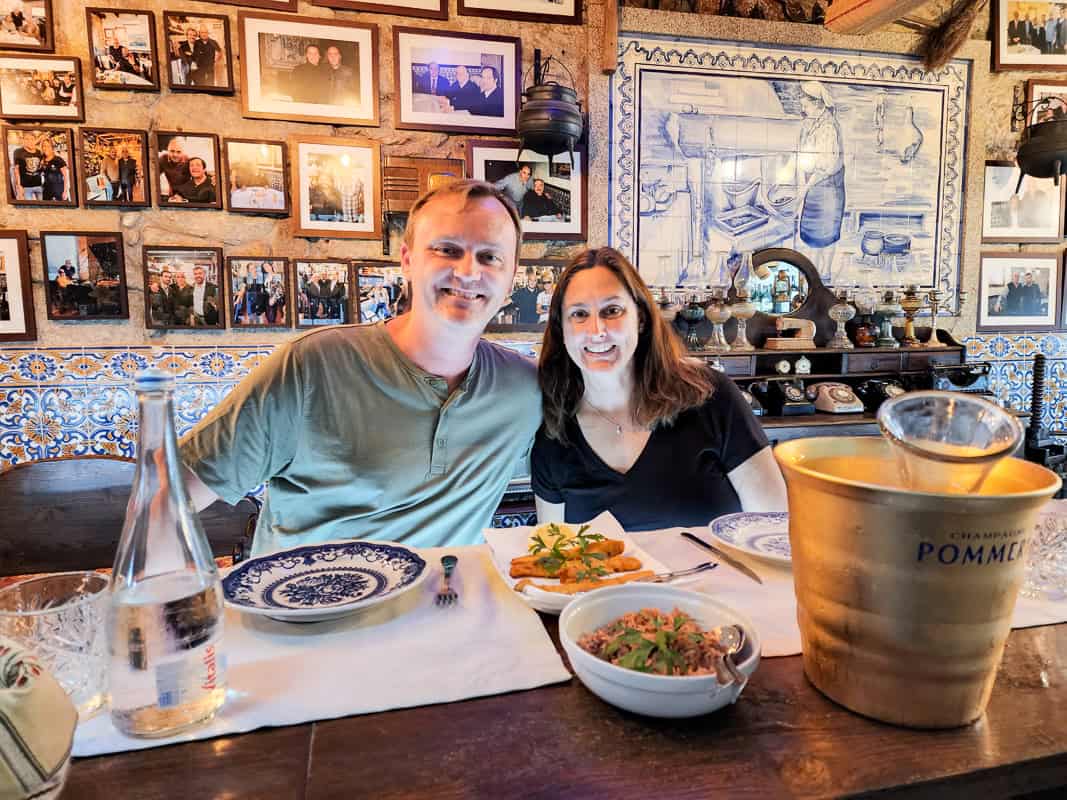
Best for Authentic Tascas: Bonfim
Bonfim is a quiet, authentic residential neighborhood east of the center, celebrated by food lovers for traditional family-run eateries and affordable room rates.
If you want to escape souvenir shops and hear only Portuguese spoken on the street, head to Bonfim. Historically a working-class neighborhood, Bonfim has quietly become one of Porto’s most exciting culinary pockets without losing its gritty charm.
It is home to classic dining institutions like A Cozinha do Manel—where you can feast on wood-roasted meats and wheels of Queijo Serra da Estrela—alongside micro-bakeries and local craft beer bars. Because it sits on a gentle, relatively flat plateau just east of Campo 24 de Agosto, walking around Bonfim is gentle on the legs.
Top Stays in Bonfim
- Boutique Guest House: The Editory Artist Baixa Porto Hotel
A boutique hotel set in a former school of fine arts, offering spacious, minimalist rooms and culinary workshops. - Design Comfort: Seculo Hotel
Situated along the upper pedestrian stretch of Rua de Santa Catarina, this classic, budget-friendly stop offers quiet, air-conditioned rooms and a sunny rooftop terrace for morning coffee. It serves as a comfortable, affordable retreat within easy walking distance of authentic Bonfim tascas and neighborhood pastry shops.
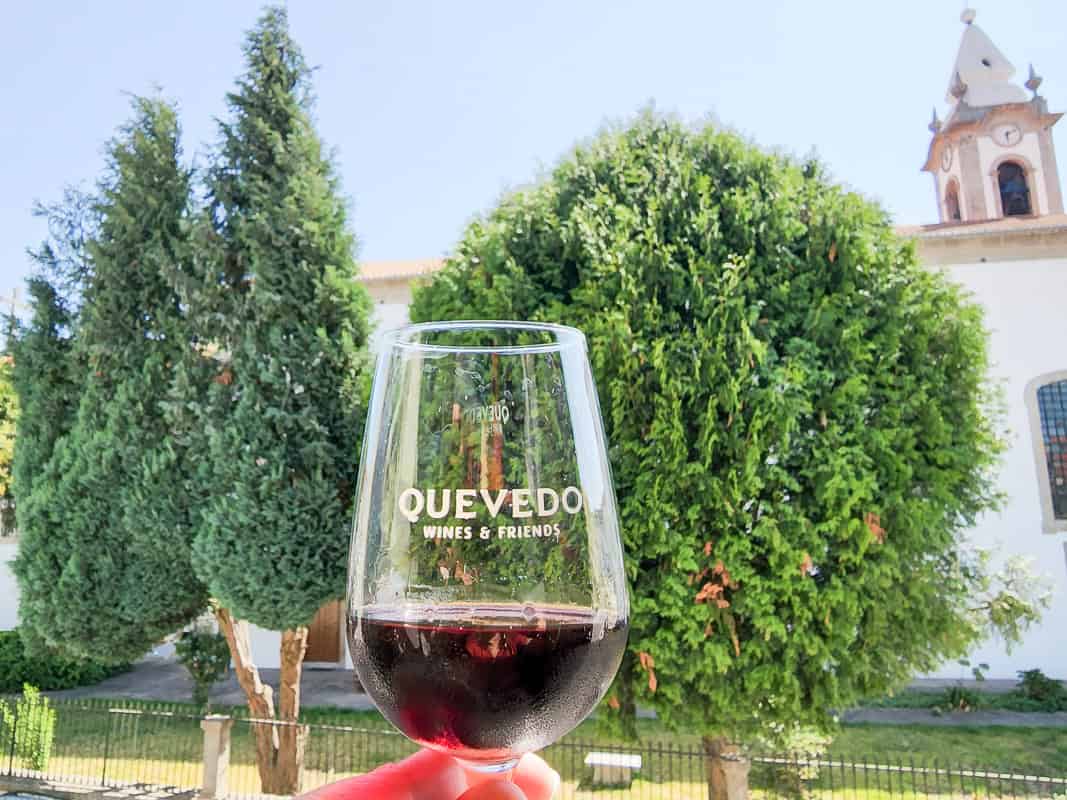
Best for Wine Lovers: Vila Nova de Gaia
Vila Nova de Gaia sits directly across the Douro River from Porto, offering quiet nights, immediate access to Port wine cellars, and postcard skyline views.
Technically its own distinct municipality, Gaia is the historical home of the Port wine industry. If your trip revolves around cellar tours at Graham’s, Taylor’s, and Cockburn’s, staying on the southern bank makes strategic sense.
Gaia is much quieter at night than central Porto. When evening arrives and the tour groups cross back over the river, the waterfront promenade settles down, offering peaceful views of Porto’s illuminated historic skyline.
Top Stays in Gaia
- The Ultimate Wine Splurge: The Yeatman
Perched high on the Gaia hillside right above the Taylor’s cellars, The Yeatman is one of Portugal’s premier wine hotels. It features a decanter-shaped outdoor infinity pool, a 2-Michelin-starred restaurant, and private balconies in every single room facing across the river to Porto. - Boutique River Access: The House of Sandeman – Hostel & Suites
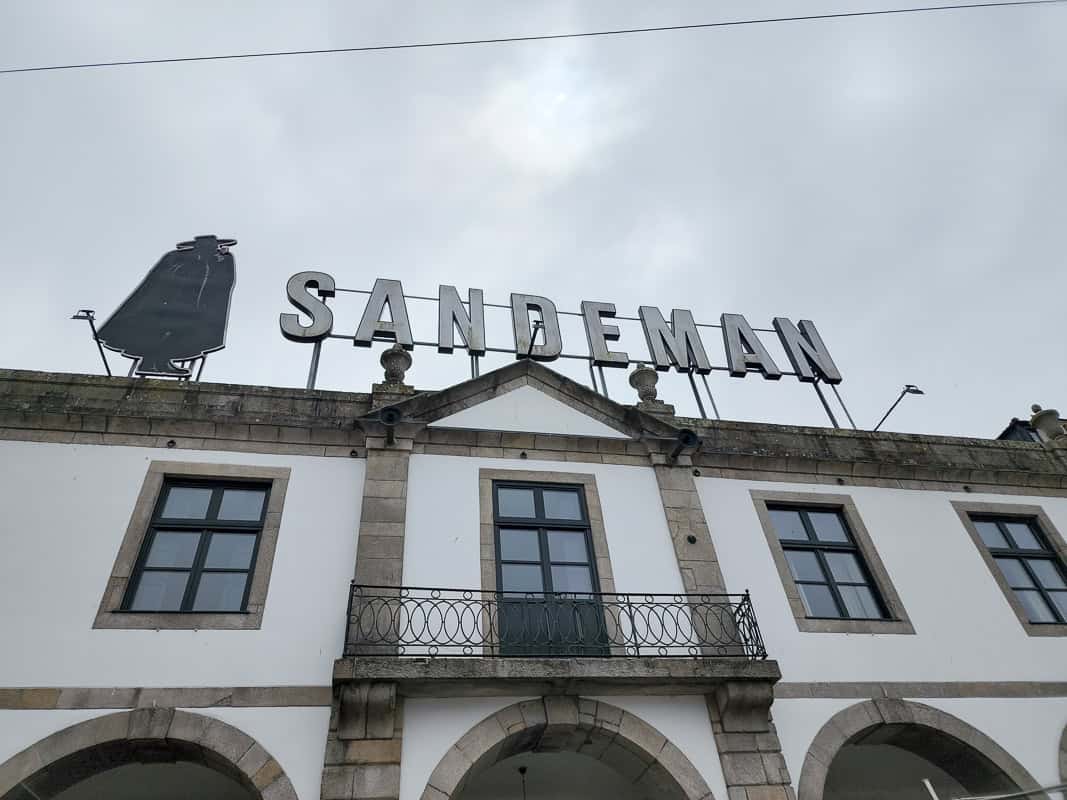
Housed directly inside the historic Sandeman wine cellars along the Gaia riverbank, this boutique stay features private suites tastefully decorated with repurposed oak wine barrel headboards and Douro artwork. It offers an on-site riverfront bar for port cocktails and puts you steps away from guided lodge tours across the Gaia waterfront.
Where Not to Stay (Unless You Have Business): Boavista
On one last-minute trip to Porto, we stayed at the Sheraton Porto Hotel & Spa out in Boavista.
While the property itself is comfortable with an expansive spa and modern business amenities, we do not recommend Boavista for culinary travelers. It is Porto’s modern business and financial district. It lacks the historic character, winding alleys, and neighborhood tascas that make the city so enchanting. Every journey into the historic core requires catching a metro or taking a 15-minute taxi ride, disconnecting you from the morning rhythm of the city.
Where to Stay in Porto
Porto is extremely walkable, but its hills are steep. To avoid punishing vertical climbs every morning, we recommend staying along the upper central ridge in Baixa or Cedofeita rather than down on the crowded riverfront:
- Central Arts & Historic District (Our Pick): Hotel Teatro – A dramatic, boutique theater-themed hotel in central Baixa, just steps from São Bento station, Bolhão Market, and traditional tascas.
- Longer Stays & Apartments: Booking a serviced apartment along Rua do Almada or in Cedofeita gives you a neighborhood kitchen, quiet evenings, and easy access to independent wine bars.
- The Luxury Wine Splurge (Across the River): The Yeatman – Perched in Vila Nova de Gaia with a decanter-shaped pool, 2-Michelin-star dining, and unrivaled postcard views looking back across the Douro.

Frequently Asked Questions: Where to Stay in Porto
Is Porto easy to explore on foot?
Yes, Porto is a very compact city where major attractions, wine lodges, and markets are within a 15- to 25-minute walk of each other. However, the city is built across steep river ravines. Expect steep inclines, uneven stone stairs, and polished cobblestone streets (calçada) that require comfortable, grippy walking shoes.
Why shouldn’t I stay in Ribeira?
Ribeira is beautiful to visit for photos and a riverfront drink, but it sits at the bottom of the city’s steepest valley. Staying there means every trip to a supermarket, metro station, or dinner elsewhere requires a strenuous uphill climb. It is also the most crowded and noisy area in Porto.
How do you avoid climbing the hills in Porto?
Ride the Funicular dos Guindais from Ribeira up to Batalha.
Take the Teleférico de Gaia (cable car) from the Gaia riverbank up to the upper bridge deck and Jardim do Morro.
Use inexpensive Bolt or Uber rides (€4–€6) to carry luggage or travel between the river and upper hills.
Is it better to stay in Porto or Vila Nova de Gaia?
If you are visiting for 2 to 3 days and want to be in the middle of historic sights, markets, and lively tascas, stay in Porto (Baixa or Bolhão). If your primary focus is touring historic Port wine cellars, dining at fine wine restaurants, or enjoying quiet nights with panoramic river views, stay in Vila Nova de Gaia.
What is the best neighborhood in Porto for a serviced apartment?
Cedofeita and the streets running parallel to Avenida dos Aliados (such as Rua do Almada) are ideal for apartment rentals. They feature grocery stores, neighborhood bakeries, independent wine shops, and a quieter residential feel while remaining within a short walk of the historic center.