
No trip to Porto is complete without crossing the Douro River to taste its most famous creation: Port wine. Port wine tasting or two is a must-do on any Porto itinerary.
For centuries, fortified wines harvested along the steep, terraced schist hills of the Douro Valley were loaded onto flat-bottomed wooden rabelo boats and floated downriver to Vila Nova de Gaia. Because Gaia sits on the southern bank facing north, its cool, damp, shaded microclimate created the perfect natural conditions for aging wine in seasoned oak casks (pipes) without baking under the hot Iberian sun.
We visited Porto several times and have visited several port wine houses during those visits. But we also spent six weeks living in Porto. Visiting the port wine lodges became a weekly ritual. We visited more than a dozen historic houses—from historic British-founded lodges dating back to the 1600s to modern boutique tasting rooms, intimate courtyards, and scenic riverfront rooftops.
Whether you are looking for an immersive cellar tour with working cooperages, an exclusive tasting of 40-year-old aged tawnies, or simply want to sip a chilled white port and tonic with postcard views of the Dom Luís I Bridge, here is our tested guide on where to drink Port wine in Porto.
*This post contains compensated links. Find more info in my DISCLAIMER. As an Amazon Associate, I earn from qualifying purchases.
Quick Facts: Visiting the Port Wine Lodges
| Detail | What to Know |
| Where Lodges Are Located | Vila Nova de Gaia (across the Douro River from Porto’s Ribeira) |
| How to Get There | Walk across the lower or upper deck of the Dom Luís I Bridge, or take the Gaia cable car (Teleférico) |
| Tour vs. Tasting Only | Most lodges offer paid walk-in seated tastings; guided cellar tours require booking in advance |
| Primary Styles | Ruby/LBV/Vintage: Fruity, bottle-aged, deep red; Tawny: Nutty, caramel, wood-aged; White/Dry: Floral, served chilled or with tonic |
| Typical Flight Cost | €15 – €30 for standard flights; €50 – €90+ for rare Vintages and Colheitas |
| Our Top Picks | Graham’s (best premium cellar & Vintage Room), Cockburn’s (working barrel cooperage), and Vasques de Carvalho (boutique garden) |
Table of Contents

Understanding Port Wine: The Basics Before You Taste
Before walking into a lodge, it helps to understand the four primary styles you will see across tasting menus:
- White Port (Porto Branco): Made from white grapes, ranging from dry (seco) to sweet (lágrima). Best served chilled as an aperitif or mixed with tonic water, fresh mint, and a slice of citrus (Porto Tónico).
- Ruby Port: Young, deeply colored, and fruity wines aged in large oak vats or stainless steel with minimal wood contact to preserve fresh, bold red-berry flavors. Includes Late Bottled Vintage (LBV)—wines from a single harvest aged 4–6 years before bottling.
- Tawny Port: Aged for decades in smaller oak barrels (pipes). The gradual oxidation turns the wine an amber-tawny hue, developing complex aromas of dried figs, roasted walnuts, caramel, and baking spices. The standard age indications are 10, 20, 30, and 40 Years Old.
- Vintage Port: The pinnacle of port production. Declared only in exceptional harvest years (usually two or three times per decade), Vintage Ports spend only two years in wood before maturing in the bottle for 20 to 50+ years.
Traveling to Porto? Check our our complete guide on What to Eat in Porto.
The Grand Historic Lodges of Vila Nova de Gaia
If you want to understand the scale, heritage, and sheer theater of Port wine, start with Gaia’s grand historic houses. These century-old producers—many established by British merchants dating back to the 1600s and 1700s—house vast granite barrel halls, working cooperages, and miles of aging oak pipes. Visiting these flagship estates offers an unforgettable look at the traditions of Port production alongside guided cellar walks and polished library tastings.
Graham’s Port Lodge (Upper Gaia)
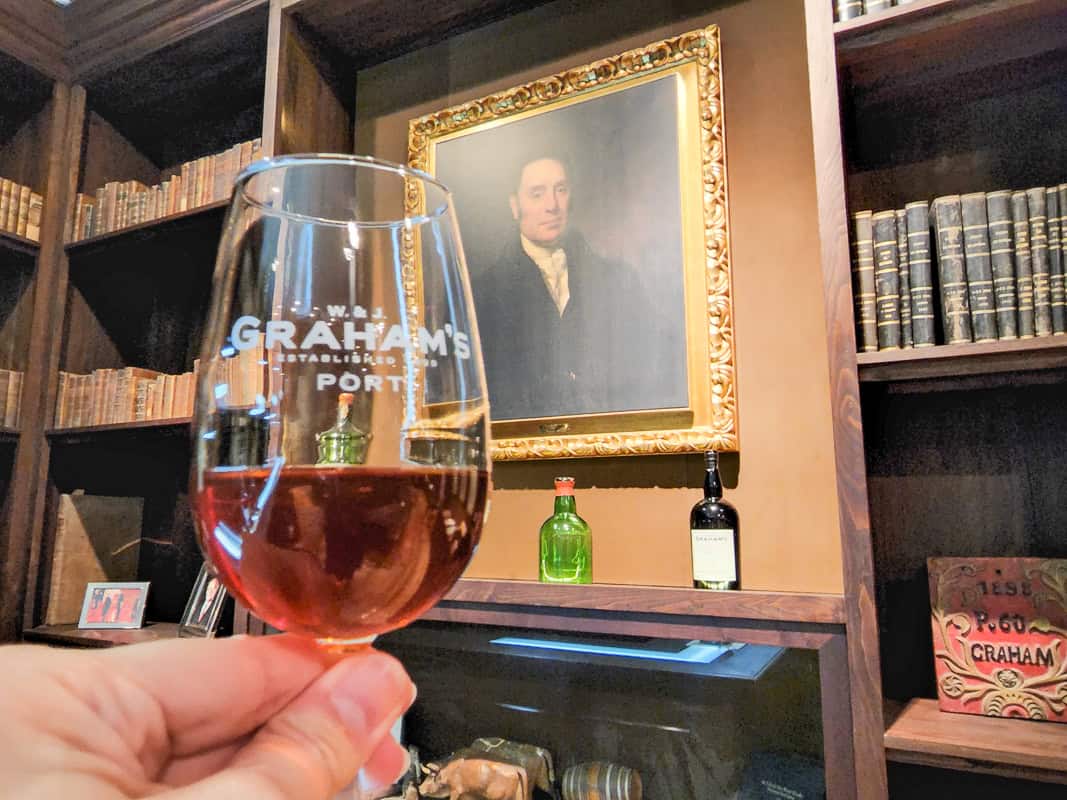
Graham’s 1890 Lodge offers the most refined cellar tour in Gaia, featuring grand granite barrel halls, sweeping river views, and an exclusive Vintage Room.
Perched high on a ridge in upper Gaia, Graham’s is part of the Symington Family portfolio (who also own Dow’s, Warre’s, and Cockburn’s). Built in 1890, the lodge houses thousands of oak pipes where wines age in ideal cool conditions.
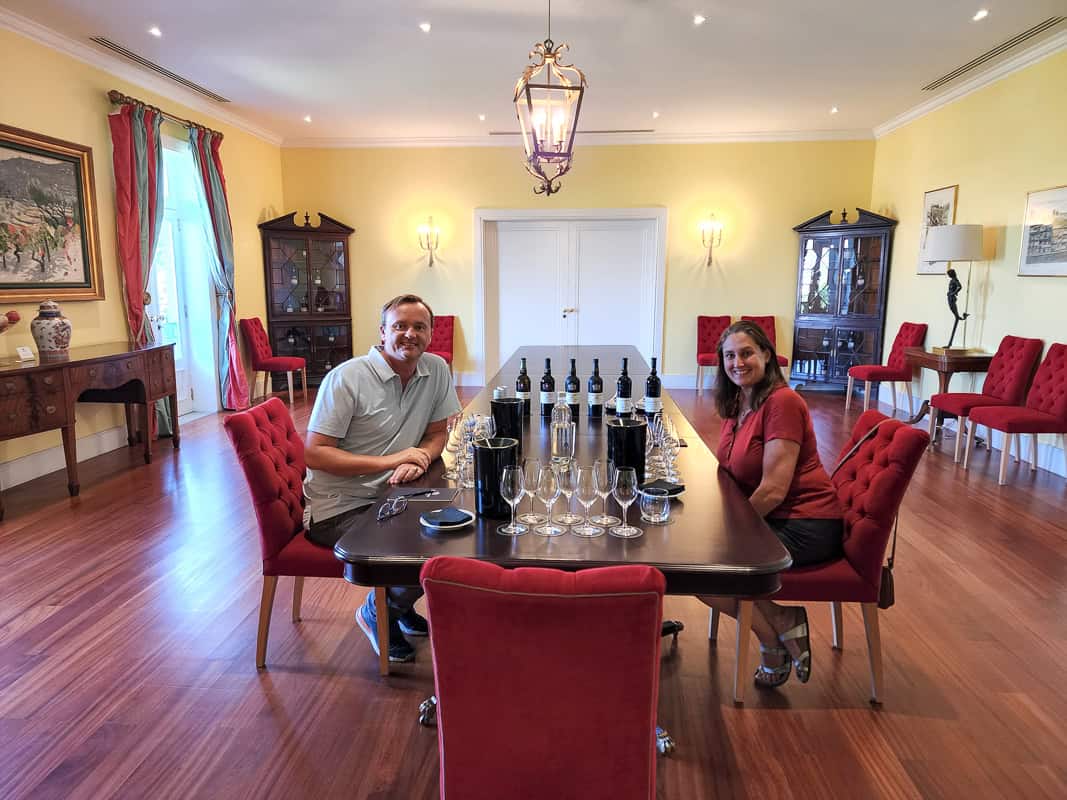
We booked a private tasting in Graham’s prestigious Vintage Room. Seated around the long boardroom table in plush red chairs under a gilded mirror, we sampled through library releases of single-quinta Vintage Ports, Dow’s, and decades-old Tawnies alongside pairings of artisan dark chocolate and cheeses.

After your tasting, take in the views from their terrace or book lunch at Vinum Restaurant & Wine Bar, which serves stellar northern beef and seafood overlooking the Douro River and the Dom Luís I Bridge.
- Location: Rua do Agro 141, Vila Nova de Gaia
- Our Tip: Graham’s sits high on the hillside. Take a quick €4–€5 Uber or taxi from downtown Porto rather than hiking uphill.
Taylor’s Port (Upper Gaia)
Taylor’s is an iconic British port house established in 1692, celebrated for benchmark Vintage Ports and lush courtyard rose gardens.
Located near the luxury hotel The Yeatman, Taylor’s is one of the oldest independent port houses. Their visitor experience centers around a comprehensive, self-guided audio tour that winds through vaulted stone cellars holding giant wooden vats (tonéis).
The highlight is finishing your visit in their serene outdoor courtyard garden, where resident peacocks stroll among rose bushes. You can order flights of aged tawnies or sample their flagship Chip Dry white port paired with toasted almonds.
- Location: Rua do Choupelo 250, Vila Nova de Gaia
- Best For: Self-paced cellar exploration and beautiful garden tastings.
Cockburn’s Port Lodge
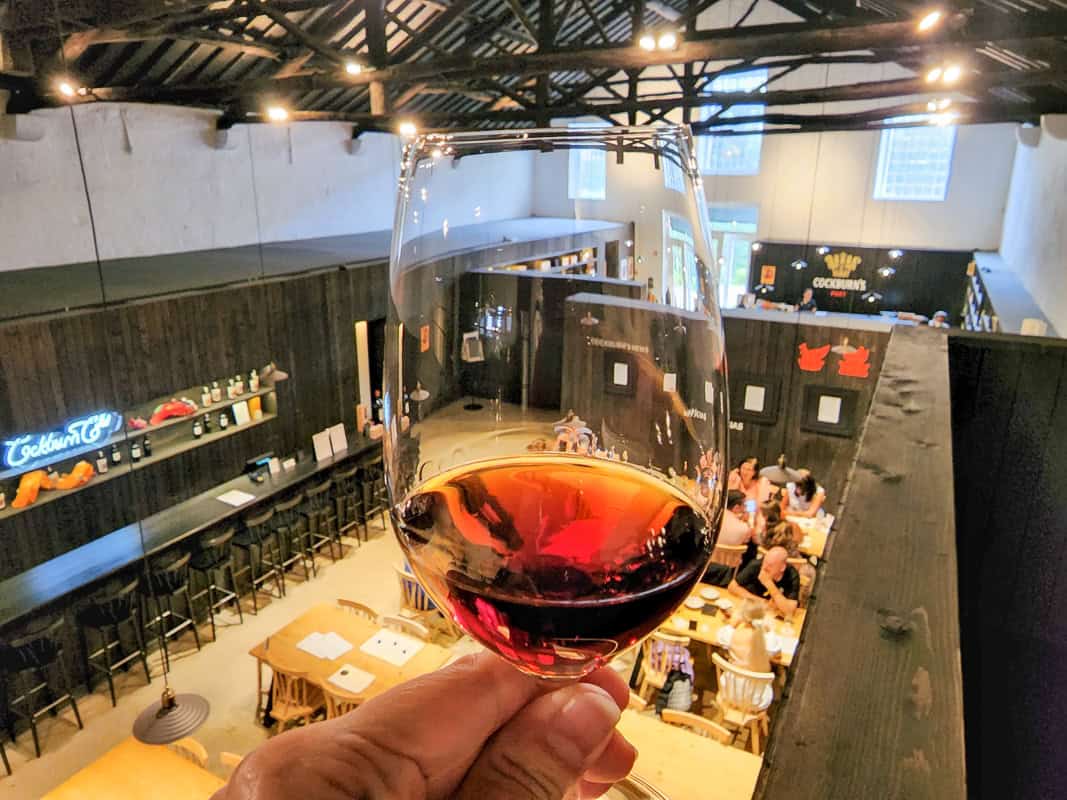
Cockburn’s operates the largest active oak aging cellar in Gaia, where visitors can watch master coopers restore massive oak barrels by hand.
Pronounced “Co-burns,” this lodge sits slightly further back in the quiet streets of Gaia away from the river crowds. What makes Cockburn’s unique is its working cooperage (tanoaria).
As you walk through the dimly lit aging halls holding over eight million liters of wine, you can hear the rhythmic hammering of coopers repairing oak casks with traditional iron hoops. The tasting room is spacious and rustic, offering generous flights of their Special Reserve, LBVs, and aged tawnies paired with local cheeses and dark chocolate truffles.
- Location: Rua Serpa Pinto 346, Vila Nova de Gaia
- Best For: Watching barrel craftsmanship and avoiding crowded waterfront tour groups.
Sandeman (Gaia Waterfront)
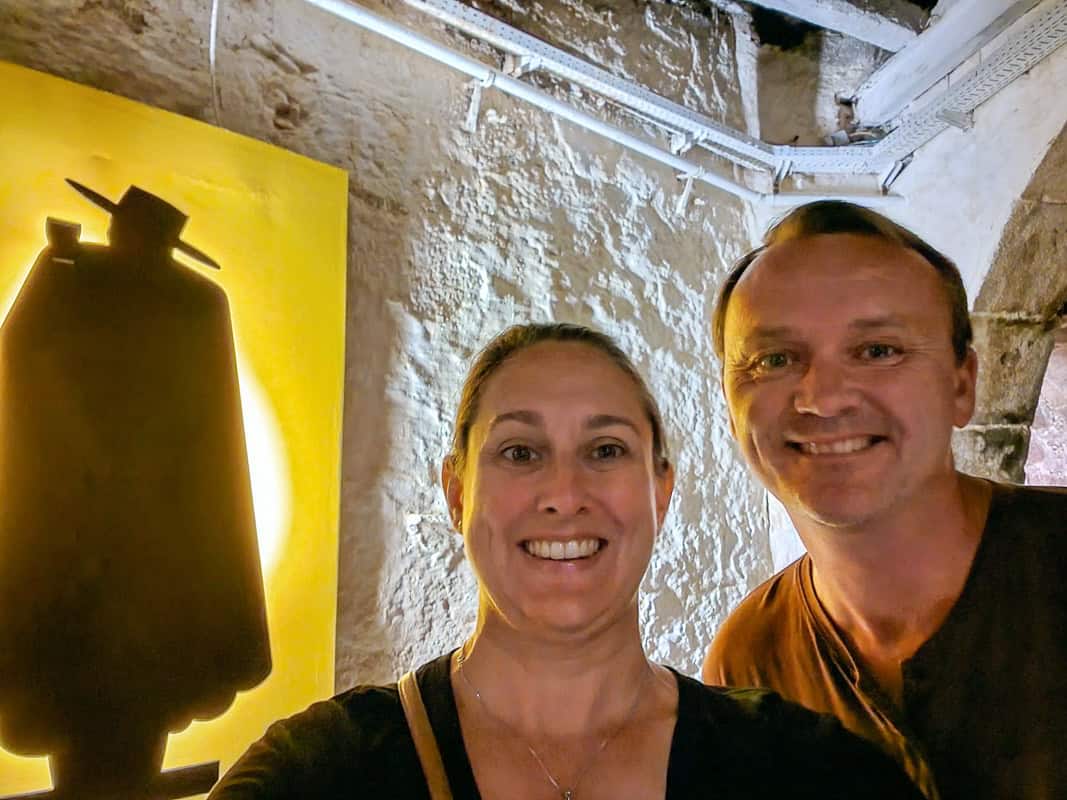
Sandeman is an iconic riverfront institution founded in 1790, famous for tour guides dressed in the dramatic Spanish sombrero and Portuguese student cape of “The Don.”
Sitting right on the bustling waterfront promenade of Gaia, Sandeman is the most recognizable port brand in the world. Founded in 1790, its branding is legendary—anchored by “The Don,” a silhouette figure dressed in a black Portuguese university student’s cape and a wide-brimmed Spanish sombrero.
The cellars are cool and atmospheric, housing centuries of winemaking history and rare bottle collections. Because of its prime location right across from the Dom Luís I bridge, Sandeman is exceptionally popular; advance reservations for cellar tours are essential. Their outdoor riverside terrace is also a fantastic spot for an afternoon Porto Tónico.
- Location: Largo Miguel Bombarda 3, Vila Nova de Gaia
- Best For: Classic riverfront access and dramatic brand history.
Historic Boutique Producers & Hidden Courtyards
Beyond the massive household brands and bus-tour crowds lie Gaia’s intimate boutique producers and quiet neighborhood courtyards. These smaller, family-run houses offer a much more personal and relaxed tasting experience, often pouring exceptional single-harvest Colheitas and aged tawnies in leafy stone gardens. If you prefer unhurried conversations with passionate staff, live acoustic fado, or discovering cult producers, this subset of lodges is where Gaia truly shines.
Kopke (The Oldest Port Wine House)
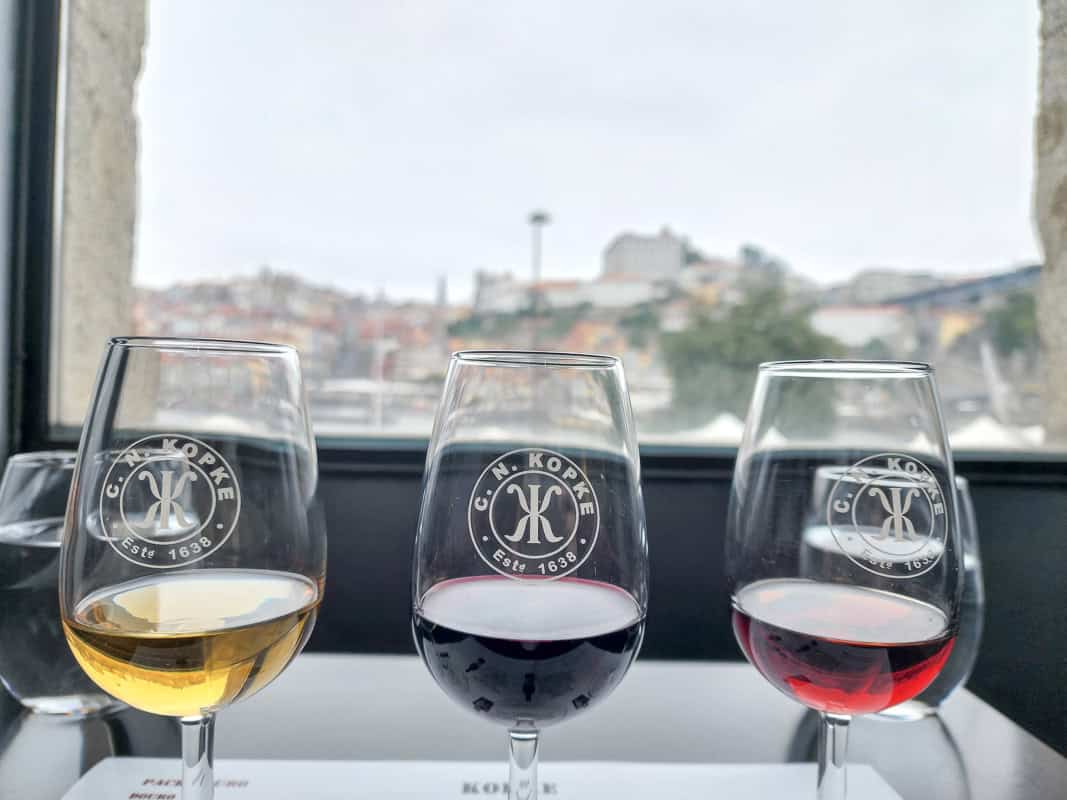
Founded in 1638, Kopke is the oldest established port wine house in existence, celebrated for rare single-harvest Colheita ports.
Occupying a narrow, multistory building right on the Gaia riverfront, Kopke predates the official demarcation of the Douro wine region by more than a century.
Rather than expansive barrel cellars, Kopke’s tasting room focuses on curated seated tastings across multiple floors. Kopke is renowned for its Colheitas—tawny ports from a single vintage year aged in wood for a minimum of seven years (and often 30 to 50 years) before bottling. Pairing a 20-year white colheita with hand-crafted chocolates by the window looking across to Porto’s Ribeira is unforgettable.
- Location: Av. Diogo Leite 312, Vila Nova de Gaia
- Best For: Vintage Colheita tawnies and chocolate pairings.
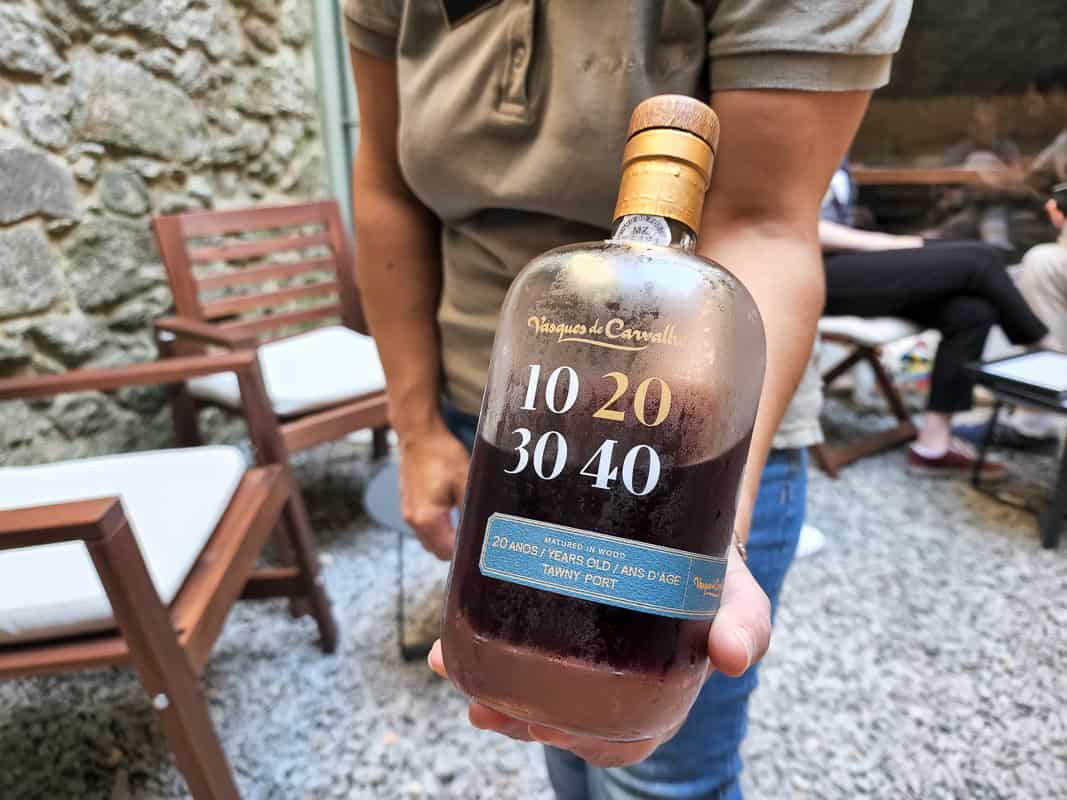
Vasques de Carvalho
Vasques de Carvalho is an intimate boutique producer with over 140 years of heritage, pouring exceptional 20-, 30-, and 40-year-old tawnies in a quiet garden courtyard.
Tucked down a quiet alleyway away from the riverfront bustle, Vasques de Carvalho was one of our absolute favorite discoveries in Gaia. Unlike the corporate lodges that handle busloads of tourists, this tasting room feels personal, peaceful, and intimate.
In their charming back gravel courtyard, we were treated to a personalized tasting of their rare aged tawnies. Their frosted bottles—boldly numbered “10 20 30 40″—hold some of the most concentrated, nutty, and balanced tawny ports you will ever sip.
- Location: Travessa do Ribeirinho 19, Vila Nova de Gaia
- Best For: Intimate courtyard atmosphere and remarkable old tawnies.
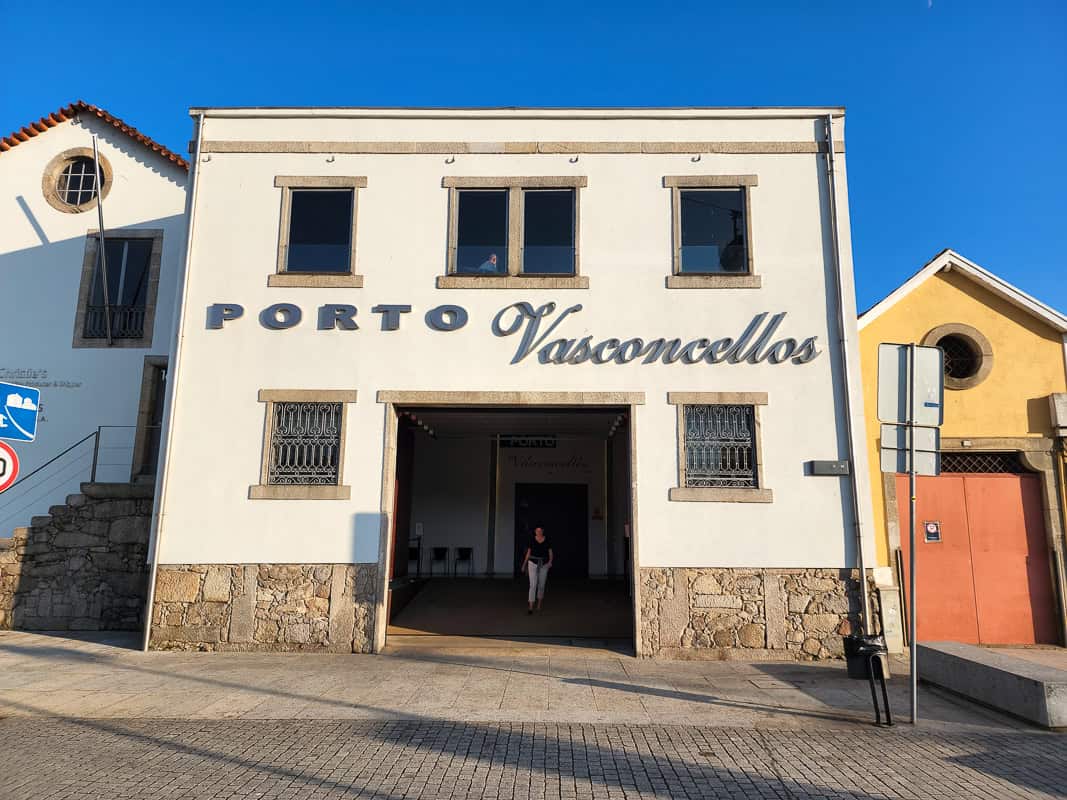
Porto Vasconcellos
Porto Vasconcellos is a traditional family port house right on the riverfront offering authentic, small-scale tastings of aged whites and vintage ports.
Housed in a classic whitewashed building on the riverbank of Avenida Diogo Leite, Porto Vasconcellos is an unpretentious contrast to the flashy marketing centers next door.
Operating since the late 19th century, their tasting room pours excellent selections of sweet Lágrima white ports, 10- and 20-year tawnies, and aged single-harvest bottles. It’s a great, friendly stop along the river without long lines.
- Location: Av. Diogo Leite 8, Vila Nova de Gaia
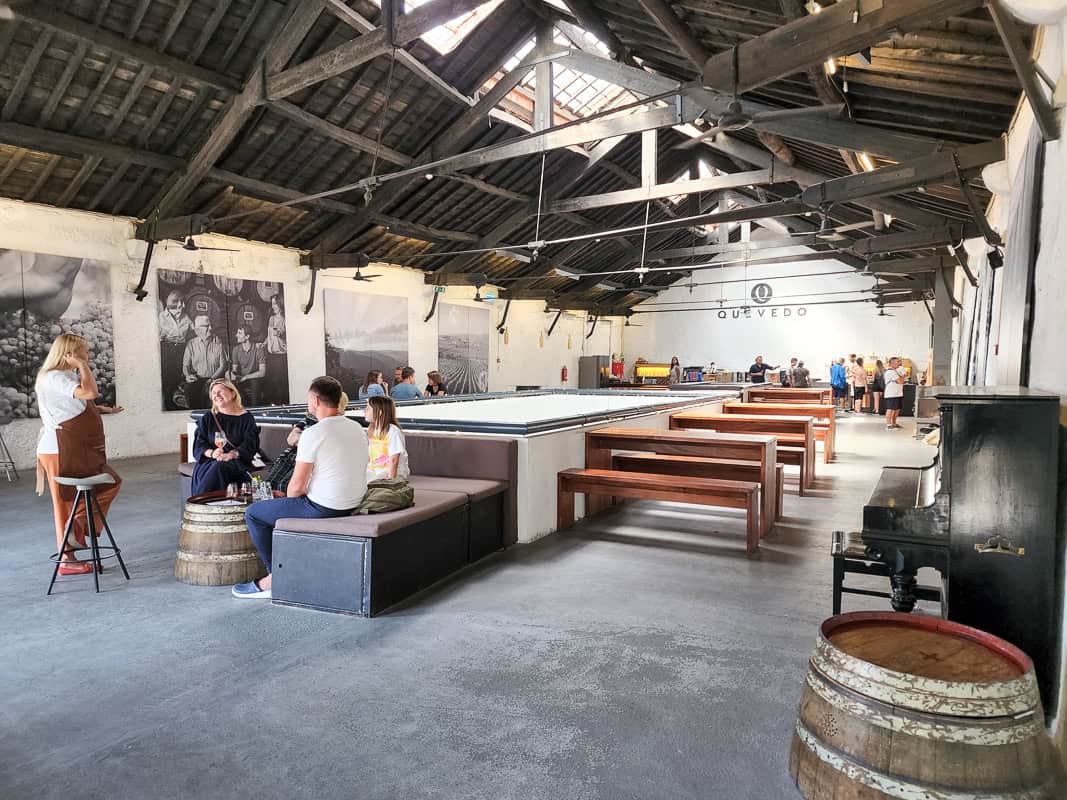
Quevedo Port Wine
Quevedo is a vibrant, family-run Portuguese wine producer known for approachable tawny flights and casual live fado performances.
Quevedo holds a special place in our hearts—we used to have their wines delivered directly to our doorstep when we lived in Ireland, and we always kept an eye out for them back in the United States.
Their tasting room on Rua de Santa Marinha in Gaia is relaxed, modern, and welcoming. Instead of stuffy, whisper-quiet cellars, Quevedo hosts daily afternoon fado performances where you can sit with a cheese-and-charcuterie board, sample flights of their organic Douro table wines, and taste their 10-, 20-, and 30-year tawnies.
- Location: Rua de Santa Marinha 77, Vila Nova de Gaia
- Best For: A casual, friendly tasting accompanied by live Portuguese guitar and fado.
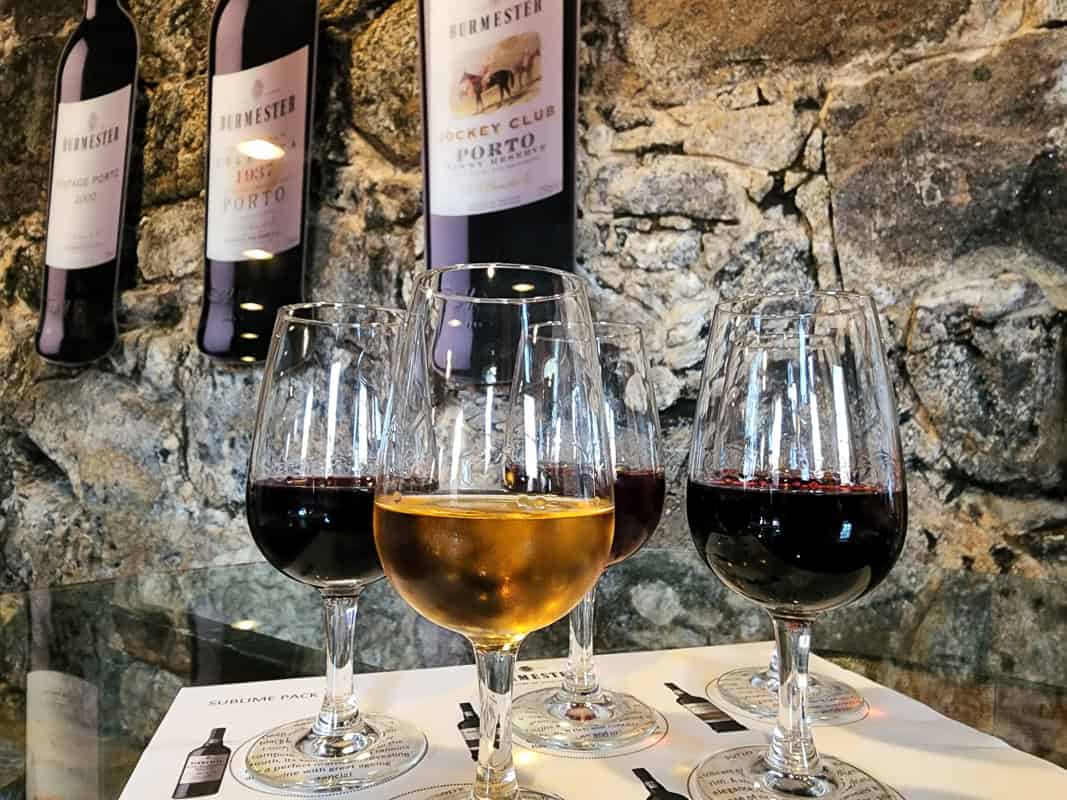
Burmester
Tucked directly into the stone arches of the Dom Luís I Bridge, Burmester combines centuries of maritime history with rich ruby and tawny tastings.
You couldn’t ask for a more dramatic entrance. Burmester sits embedded in the historic granite foundations at the base of the lower bridge deck.
Founded in 1750 by English-German merchants, their cellars are dark, cool, and intimate. After touring the stone vaults, tastings are held in an elegant space overlooking the river currents where rabelo boats bob in the water.
- Location: Praça da Ponte D. Luís I, Vila Nova de Gaia
Niepoort (Independent Cult Favorite)
Niepoort is the legendary iconoclast of the Douro, producing biodynamic natural wines and some of the world’s most sought-after vintage ports.
Headed by the visionary Dirk Niepoort, this family-owned house has bridged fifth-generation port-making with revolutionary, low-intervention Douro dry table wines.
Niepoort doesn’t maintain a giant walk-in tourist showroom on the waterfront; tastings are geared toward serious wine collectors and industry professionals by appointment. If you see Niepoort bottles (such as their Bioma Vintage or Redoma Douro reds) on wine lists across Porto, order them without hesitation.
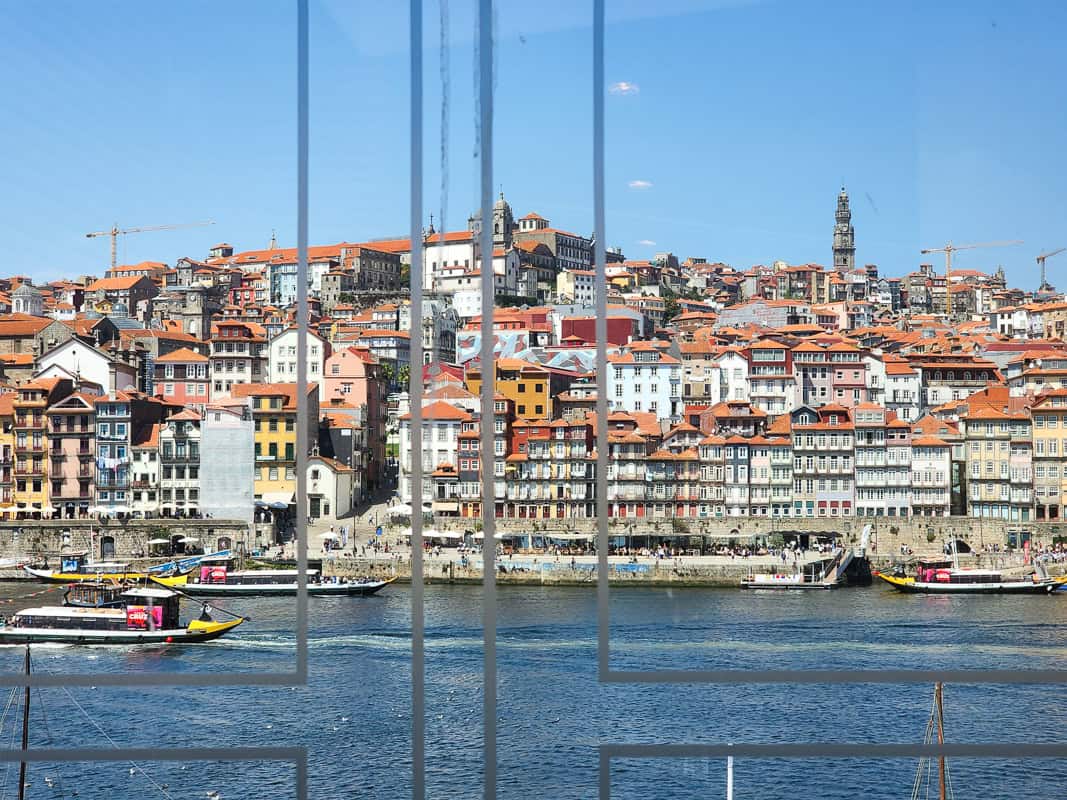
Rooftop Views & The World of Wine (WOW)
For modern architecture, interactive exhibits, and stunning skyline panoramas looking back across the Douro, Gaia’s contemporary wine spaces are hard to beat. This corner of the waterfront combines creative cocktail culture with expansive cultural districts that demystify Portugal’s wine regions. Head to these spots in the late afternoon to pair sunset white port tonics with 360-degree views of Porto’s illuminated Ribeira.
Espaço Porto Cruz
Espaço Porto Cruz is a multimedia center and art space with one of the most famous 360-degree rooftop cocktail lounges in Gaia.
Sitting right on Praça de Ramos Pinto along the river, Porto Cruz blends contemporary art exhibitions with wine education. Head straight up to the Lounge D’Cruz 360° rooftop terrace.
It is one of the best spots in the city to catch the golden sunset over Porto’s Ribeira. Order a signature Port cocktail—like their classic Cruz White Tonic or a spiced Ruby berry spritz—while watching the riverboats glide past.
- Location: Largo Miguel Bombarda 23, Vila Nova de Gaia
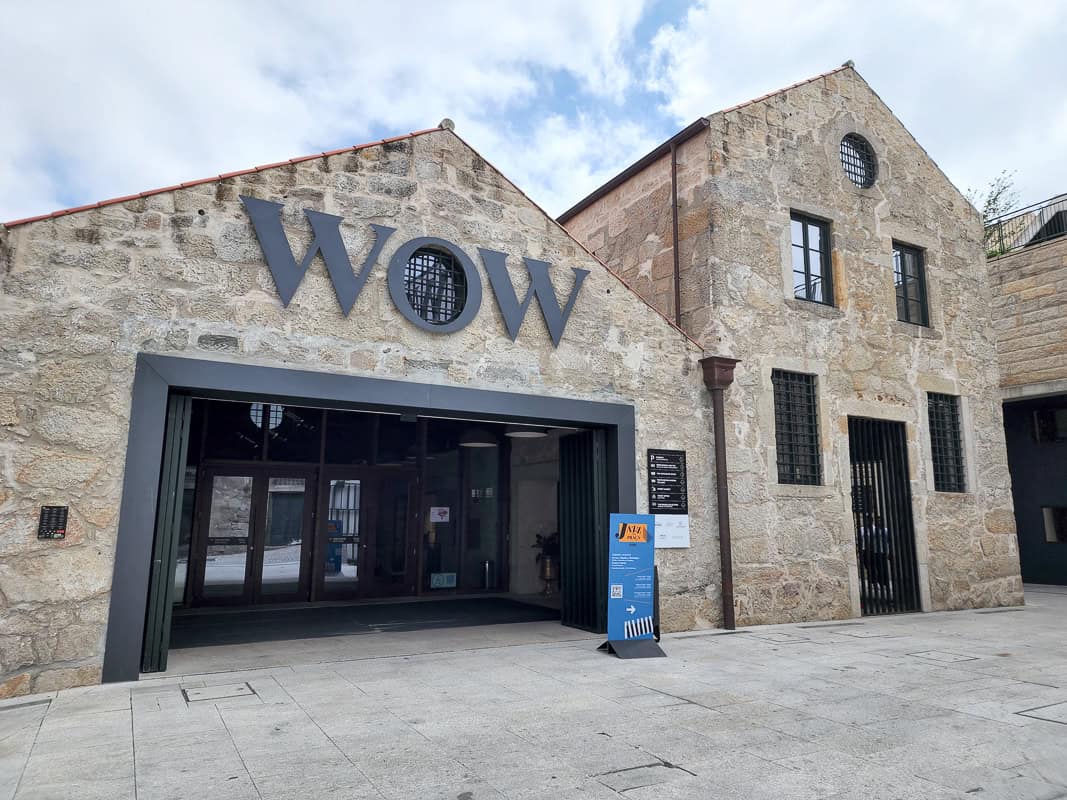
WOW Porto (The World of Wine Cultural District)
WOW Porto is a sprawling cultural and wine district in Gaia featuring multiple interactive museums, cellars, and panoramic dining terraces.
Opened just uphill from the waterfront, the World of Wine transformed ancient port cellars into a major museum and dining complex. It houses several immersive experiences, including The Wine Experience (which deconstructs how soil, climate, and grapes shape wine across Portugal) and The Bridge Collection (a museum of drinking vessels spanning 9,000 years of history).
Between museum exhibits, you can wander its massive open-air plaza overlooking the Porto skyline, stop at their chocolate factory, or book a table at one of its wine-focused restaurants.
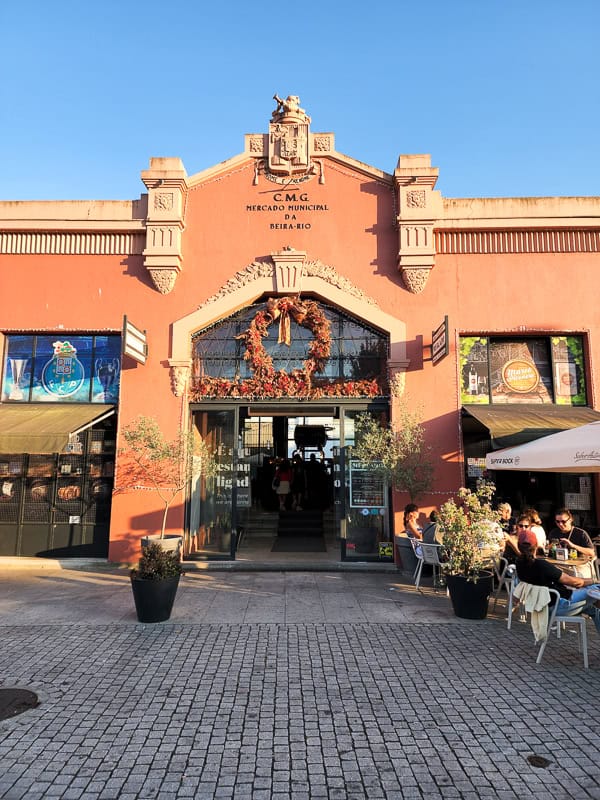
Casual Riverfront Lunch: Mercado Municipal da Beira-Rio
When you need a food break between cellar tours in Gaia, walk into Mercado da Beira-Rio on Avenida Ramos Pinto. This restored covered market gathers local food vendors under one roof. You can order draft beers, fresh cod fritters (pataniscas), local cheeses, and sliced suckling pig (leitão) sandwiches at casual communal wooden tables before your afternoon tastings.
Historic Wine Shops & Day Escapes Beyond Gaia
Wandering the historic, cobbled shopping streets of Porto—like stopping past the 1927 brush makers at Escovaria de Belomonte—leads to some of the city’s best independent bottle shops.
Historic Wine Bars North of the River
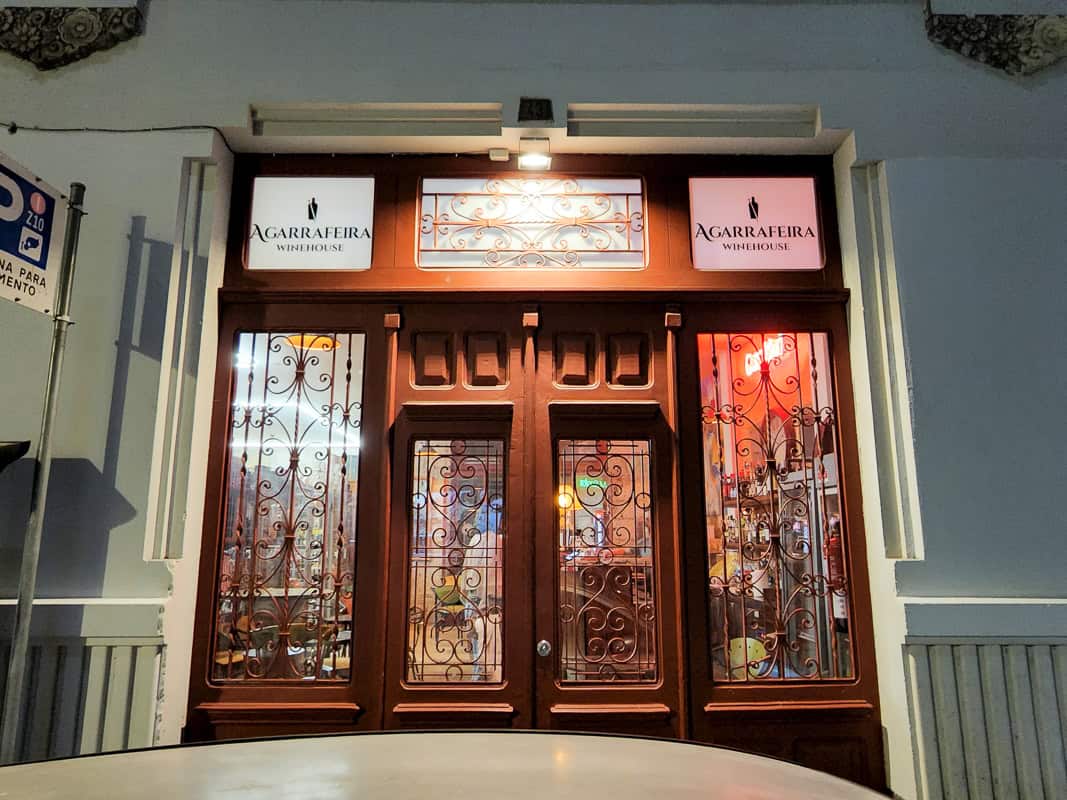
While the production cellars sit on the Gaia bank, Porto’s northern side is filled with atmospheric garrafeiras (wine shops) that transition into evening wine bars.
- Garrafeira do Carmo: A legendary, dusty treasure chest near the Carmo church, lined floor-to-ceiling with museum-grade vintage ports, rare single-quinta releases, and knowledgeable old-school staff.
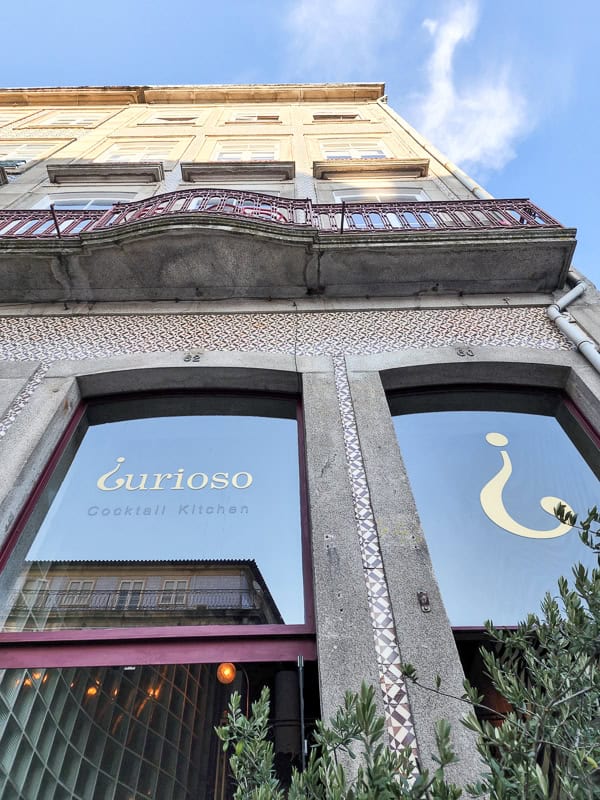
- Curioso Cocktail Kitchen: Located on Rua de Ferreira Borges near Palácio da Bolsa, this stylish spot is ideal when you want to switch from straight port wine to creative, balanced craft cocktails and small plates in a cozy evening setting.
An Ocean Escape: White Sangria at Foz do Douro
During our six weeks based in Porto in the heat of July, we regularly sought an escape from the midday city crowds.
Catch vintage Tram 1 from central Porto (or an inexpensive rideshare) west along the riverbank to Foz do Douro, where the Douro River crashes into the open Atlantic Ocean. Along the rocky shoreline and sandy stretches, casual waterfront esplanadas (terrace bars) sit right on the promenade. We’d grab an outdoor table by the water, order a sweating pitcher of ice-cold fruit sangria, and watch the waves roll in. It felt like an instant beach holiday just 15 minutes from the port cellars.
Where to Stay in Porto
Porto is extremely walkable, but its hills are steep. To avoid punishing vertical climbs every morning, we recommend staying along the upper central ridge in Baixa or Cedofeita rather than down on the crowded riverfront:
- Central Arts & Historic District (Our Pick): Hotel Teatro – A dramatic, boutique theater-themed hotel in central Baixa, just steps from São Bento station, Bolhão Market, and traditional tascas.
- Longer Stays & Apartments: Booking a serviced apartment along Rua do Almada or in Cedofeita gives you a neighborhood kitchen, quiet evenings, and easy access to independent wine bars.
- The Luxury Wine Splurge (Across the River): The Yeatman – Perched in Vila Nova de Gaia with a decanter-shaped pool, 2-Michelin-star dining, and unrivaled postcard views looking back across the Douro.
Frequently Asked Questions: Drinking Port in Porto
Do you need to book Port wine cellar tours in advance?
Yes, especially during the peak months of May through October. Guided cellar tours at iconic houses like Graham’s, Taylor’s, and Sandeman have strictly capped group sizes and often sell out days in advance. However, almost all lodges allow walk-ins for their open tasting rooms, courtyard gardens, or rooftop terraces without a formal tour booking.
How do I get to the Port lodges in Vila Nova de Gaia from Porto?
Getting to Gaia from central Porto is simple and scenic:
On Foot (Lower Deck): Walk across the lower deck of the Dom Luís I Bridge straight onto the Gaia river promenade.
On Foot (Upper Deck): Walk across the high upper deck from São Bento/Cathedral to Jardim do Morro, then ride the Gaia Cable Car (Teleférico de Gaia) down to the cellar roofs, or walk down the scenic cobblestone stairs.
Rideshare: A Bolt or Uber from downtown Porto directly to upper-hillside lodges like Graham’s or Taylor’s costs just €4 to €6.
What is the difference between Ruby and Tawny Port?
Ruby Port is aged in large wood vats or stainless steel tanks with minimal oxygen exposure, keeping it vibrant ruby-red with flavors of fresh red berries, blackberries, and plums. Tawny Port is aged in smaller seasoned oak barrels where gradual oxygen contact mellows the wine, turning it an amber-brown color with complex flavors of roasted nuts, dried figs, caramel, and wood spice.
What is a Porto Tónico?
A Porto Tónico (Port and tonic) is Portugal’s national warm-weather aperitif. It is made by pouring chilled White Port (or Rosé Port) over ice, topping it with tonic water, and garnishing with a sprig of fresh mint and a slice of lemon or orange. It is crisp, low-alcohol, and refreshing.
How long does a bottle of Port wine stay fresh after opening?
It depends heavily on the style:
Tawny Ports (10, 20, 30, 40 Year): Because they have already oxidized in wood for years, an opened bottle kept corked in a cool, dark place (or fridge) stays fresh for 2 to 3 months.
Ruby & LBV Ports: Best consumed within 2 to 4 weeks of opening.
Vintage Ports: Because they age inside an airtight glass bottle without oxygen, once uncorked they begin oxidizing rapidly and should be enjoyed within 2 to 3 days.