
While Hong Kong is world-renowned for dim sum, roast goose, and Michelin-starred dining, its bustling fruit culture is just as captivating. Across the territory’s vibrant open-air wet markets, luxury shopping mall basements, and historic wholesale stalls, you will find an astounding variety of fresh, ripe tropical and subtropical Hong Kong fruits sourced daily across Asia.
Over our years of traveling to Hong Kong—staying at the Renaissance Hong Kong Harbour View in Wan Chai, exploring the dense neighborhoods of Kowloon and Central, and house-sitting in traditional residential districts—browsing local fruit stalls has always been one of our favorite daily rituals. Whether you are grabbing a container of chilled, pre-cut fruit from a night market vendor or picking up seasonal specialties in an alley wet market, here is our guide to 12 must-try fruits in Hong Kong.
*This post contains compensated links. Find more info in my DISCLAIMER. As an Amazon Associate, I earn from qualifying purchases.
Quick Facts: Must-Try Fruits in Hong Kong
| Fruit (English) | Cantonese / Local Romanization | Flavor Profile & Texture | Peak Season | How to Eat |
| Lychee | Lai Chi | Sweet, floral, juicy translucent flesh. | May – July | Peel skin; discard inner seed. |
| Longan | Lung Ngan (“Dragon’s Eye”) | Honey-sweet, musky, soft and juicy. | July – September | Squeeze peel open; eat flesh off seed. |
| Dragon Fruit | Foh Lung Gwoh | Mildly sweet, refreshing, kiwi-like crunch. | Year-Round (Peak: Summer) | Slice in half; scoop white or red flesh. |
| Papaya | Muk Gwa | Sweet, buttery, rich tropical flavor. | Year-Round | Slice lengthwise; discard black seeds. |
| Pomelo | Yau Tsz | Mild, citrus-sweet, thick segmented pulp. | August – October (Mid-Autumn) | Peel thick rind; separate segments. |
| Starfruit | Yeung To | Crisp, tart-sweet, highly juicy star slices. | September – December | Wash and slice crosswise with edible skin. |
| Wax Apple / Rose Apple | Lin Mo | Crisp, light, thirst-quenching, faint floral note. | May – July | Rinse and eat whole like an apple. |
| Guava | Fan Shek Lau | Crunchy, aromatic, sweet-tart. | Year-Round | Slice raw; dip in plum powder. |
| Mangosteen | San Chuk | Sweet-tart, creamy, delicate citrus segments. | June – September | Crack purple rind; eat white segments. |
| Durian | Lau Lin | Rich, custard-like, pungent and sweet. | June – August | Eat fresh cut segments from market packs. |
| Asian Pear | Sha Lei | Ultra-crisp, watery, light floral sweetness. | Autumn – Winter | Peel skin and slice into chilled wedges. |
| Persimmon | Chi Tsz | Honey-sweet, rich, jelly-like or crisp. | September – November | Peel skin when ripe and soft. |
Table of Contents
Check out our complete Guide to Hong Kong Travel to learn more.
Where to Buy Fresh Fruit in Hong Kong
Traditional wet markets and neighborhood fruit stalls across Hong Kong offer the freshest produce and best prices.
- Yau Ma Tei Fruit Market (Kowloon): Operating since 1913, this historic wholesale market features hundreds of vendors selling exotic, seasonal fruits sourced directly from across Southeast Asia, Japan, and Mainland China.
- Graham Street Wet Market (Central): One of Hong Kong’s oldest open-air street markets, perfect for picking up fresh pre-cut fruit cups while exploring Central.
- Wan Chai Market (Hong Kong Island): A bustling local neighborhood market packed with fresh fruit stalls located just a short walk from the Wan Chai waterfront.
- Supermarket Food Halls: High-end basements in shopping malls (like city’super in Causeway Bay or Tsim Sha Tsui) showcase pristine, gift-grade Asian fruits. It’s also a great place to pick up some Hong Kong snacks.
12 Must-Try Hong Kong Fruits
Lychee (Lai Chi)
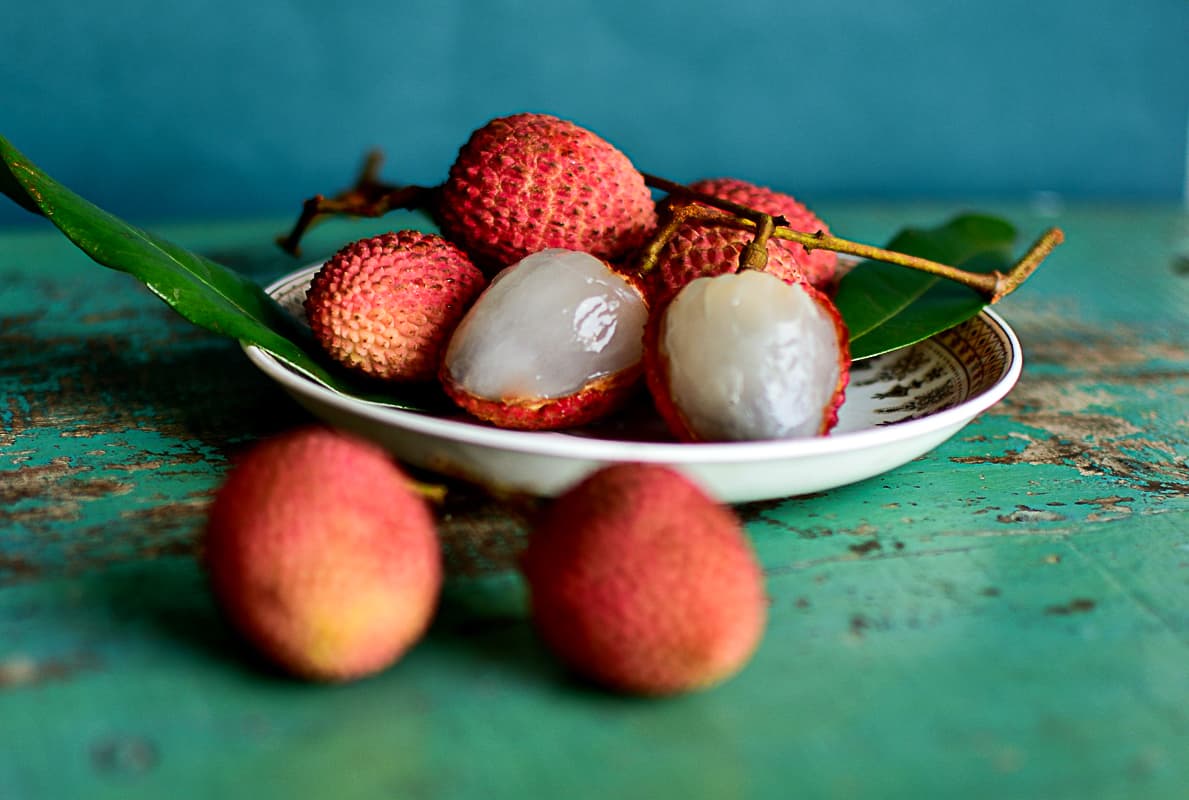
Lychees are small, round fruits with a bumpy, brittle red skin that easily peels away to reveal juicy, translucent white flesh. Famous for their fragrant floral aroma and intense natural sweetness, fresh lychees are a beloved summertime staple across Hong Kong markets.

Longan (Lung Ngan)
Longans, literally translating to “Dragon’s Eye” in Cantonese, feature a smooth, thin tan shell enclosing a sweet, musky translucent fruit with a dark central seed. Less acidic and sweeter than lychees, bunches of fresh longans are sold throughout late summer in every neighborhood wet market.

Check out our complete guide on the Cost of Eating and Drinking in Hong Kong.
Dragon Fruit / Pitaya (Foh Lung Gwoh)
Dragon fruit is an eye-catching tropical cactus fruit with bright pink, scaly skin and speckled flesh that comes in either white or vibrant deep magenta varieties. The fruit is mildly sweet, refreshing, and filled with tiny, edible black seeds that provide a pleasant crunch similar to a kiwi.
Papaya (Muk Gwa)
Papayas in Hong Kong are large, elongated tropical fruits with soft, golden-orange flesh that delivers a rich, buttery sweetness. Packed with vitamins and digestive enzymes, ripe papayas are sold whole or pre-cut into chilled takeaway boxes at local market stalls.
Pomelo (Yau Tsz)
The pomelo is the largest member of the citrus family, featuring a thick, spongy green-yellow rind protecting sweet, non-bitter pulpy segments. Highly celebrated during Hong Kong’s Mid-Autumn Festival as a symbol of unity and good fortune, pomelo segments are peeled and eaten fresh.
Starfruit / Carambola (Yeung To)
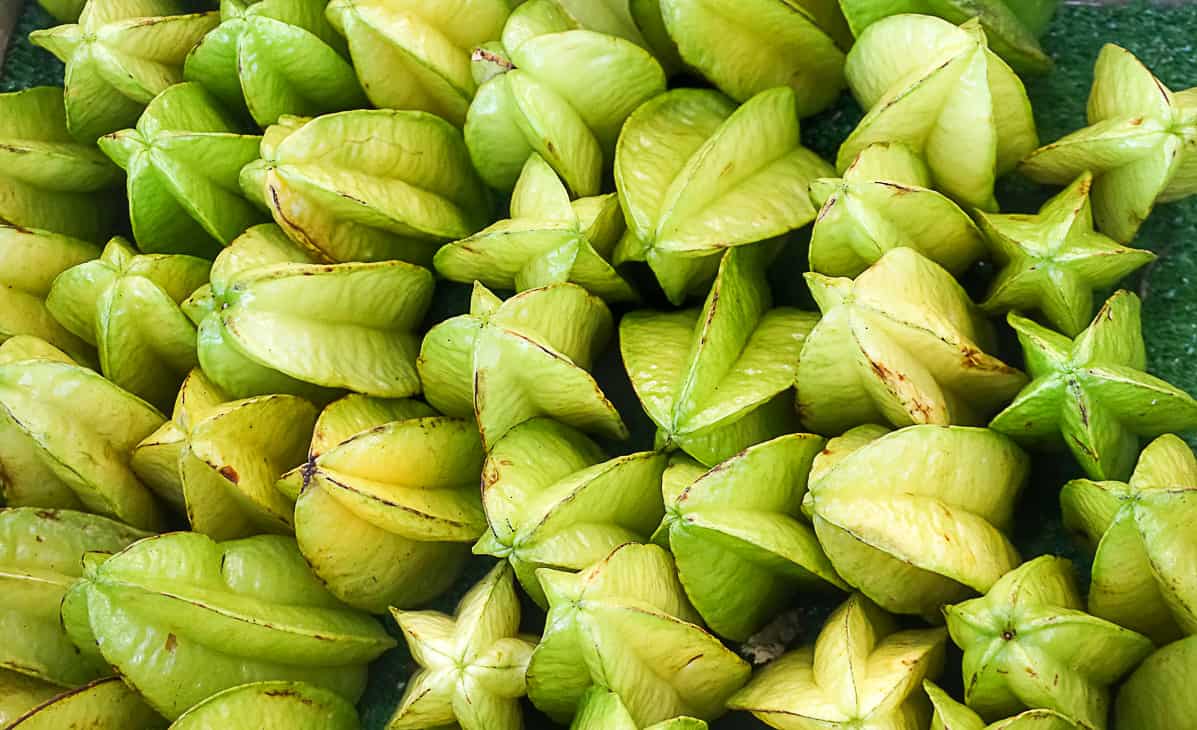
Starfruit is an oblong, ribbed yellow fruit that forms a distinctive five-pointed star shape when sliced crosswise. It has an entirely edible, waxy skin and a crisp, watery interior with a refreshing balance of sweet and tangy citrus notes.
Wax Apple / Rose Apple (Lin Mo)
Wax apples are bell-shaped, glossy red or green fruits known for their exceptionally crisp, light, and juicy texture. They have a subtle, faintly sweet floral flavor and are commonly eaten raw as a refreshing thirst-quencher on hot, humid Hong Kong afternoons.
Guava (Fan Shek Lau)
Guavas in Hong Kong are typically firm, crisp varieties with pale green skins and fragrant white or pink interiors. Wet market vendors often sell sliced crunchy guava alongside small packets of sour plum powder (mui fan) for dipping.
Mangosteen (San Chuk)
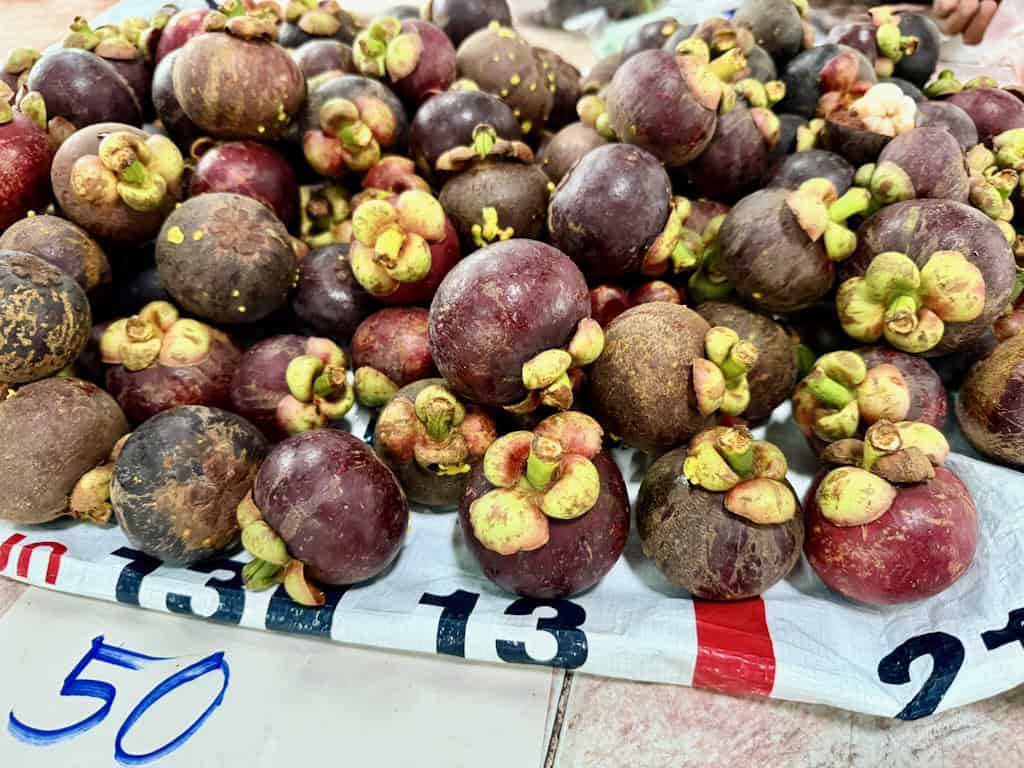
Revered across Asia as the “Queen of Fruits,” the mangosteen features a thick, woody purple shell filled with snow-white segments of soft, sweet-tart pulp. The delicate, citrus-floral flavor melts in your mouth, offering a cooling balance during the summer months.

Durian (Lau Lin)
Durian is the famous “King of Fruits,” renowned for its sharp, thorn-covered green husk, intense savory-sweet aroma, and rich, custard-like texture. Hong Kong market stalls sell fresh, pre-shelled segments of imported Thai Monthong and Malaysian Musang King varieties sealed in takeaway trays.
Asian Pear (Sha Lei)
Asian pears (also known as sand pears or apple pears) are round, russet-skinned fruits with an exceptionally crisp, watery, and refreshing bite. Unlike soft European pears, Asian pears maintain their crisp texture and are served raw, chilled, and peeled.
Persimmon (Chi Tsz)
Persimmons are bright orange autumn fruits that range from crisp and sweet (non-astringent Fuyu types) to soft, luscious, and jelly-like when fully ripe. Stalls across Hong Kong display mountains of fresh persimmons starting in September, symbolizing good luck and abundance.
Planning a Food Trip to Hong Kong?
Hong Kong is one of the world’s greatest dining capitals, from Michelin-starred dim sum to late-night dai pai dongs and roast goose. Staying near a central MTR line makes hopping between food hubs seamless:
- Central & Sheung Wan: Ideal for high-end dining, trendy wine bars, and heritage dim sum halls. In Central, we recommend the Four Seasons Hotel Hong Kong or the stylish The Murray, Hong Kong, a Niccolo Hotel. (Browse all Central & Sheung Wan Hotels on Booking.com)
- Tsim Sha Tsui (Kowloon): Perfect for iconic Victoria Harbour views, buzzing night markets, and street food. In TST, we recommend the Sheraton Hong Kong Hotel & Towers right along Nathan Road. (Browse all Tsim Sha Tsui Hotels on Booking.com)
- Wan Chai & Causeway Bay: A haven for local roast goose, wonton noodle shops, and traditional cha chaan teng cafes. In Wan Chai, we recommend the waterfront Renaissance Hong Kong Harbour View Hotel. (Browse all Wan Chai Accommodations on Booking.com)
Frequently Asked Questions About Hong Kong Fruits
What is the best fruit market in Hong Kong?
The Yau Ma Tei Fruit Market (Gwo Laan) in Kowloon is Hong Kong’s most famous fruit market, featuring historic stone shophouse stalls selling fresh regional and international fruits 24 hours a day.
Is it safe to eat cut fruit from street vendors in Hong Kong?
Yes, pre-cut fruit from licensed wet market stalls, grocery stands, and street vendors in Hong Kong is generally very fresh, safe, and hygienic, typically kept chilled on crushed ice or packaged in clear sealed containers.
When is lychee season in Hong Kong?
Fresh lychee season runs from late May through July, when varieties like Fei Tsz Siu (Concubine’s Smile) and No Mai Chi arrive fresh from surrounding orchards in Guangdong.
Why are fruits traditionally given as gifts in Hong Kong?
In Cantonese culture, gifting premium fruit baskets (such as Japanese melons, Korean pears, pomelos, and grapes) during festivals like Mid-Autumn or Chinese New Year represents prosperity, health, and respect.