
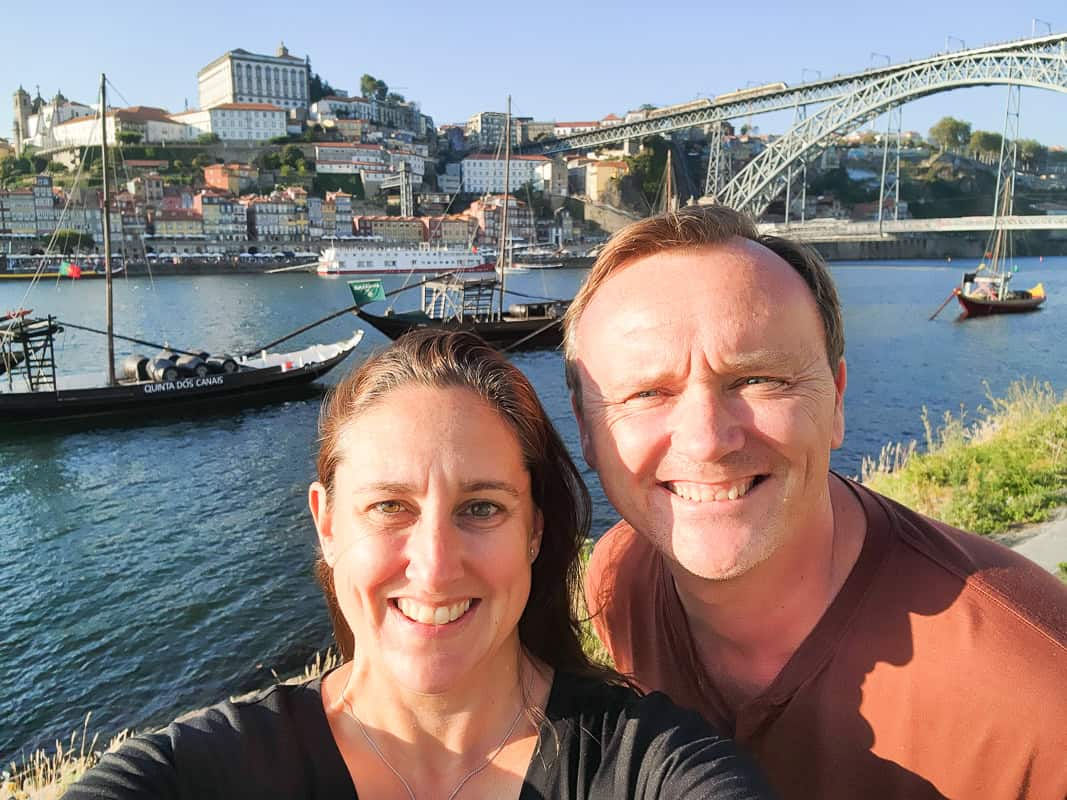
Porto is one of the most charismatic, visually stunning, and culinarily distinct cities in Southern Europe. Set dramatically along the granite bluffs of the Douro River, Northern Portugal’s capital balances centuries of maritime history, weathered azulejo-tiled facades, and world-class wine lodges with an authentic, unpretentious dining culture.
While many travelers treat Porto as a rushed 48-hour side trip from Lisbon, the city rewards slow exploration. We’ve visited Porto several times and lived there for six weeks one summer in an apartment on Rua do Almada in central Porto. We shopped alongside neighborhood grandmothers at Mercado do Bolhão, tested tascas across Bonfim, crossed the Dom Luís I Bridge to sample rare tawny ports in Vila Nova de Gaia (more than once), and escaped to the Atlantic coast at Foz do Douro.
Whether you’re visiting for a long weekend or kicking off a wider road trip through the Douro Valley and Northern Portugal, here is our tested, first-hand Porto travel guide and complete 3-day itinerary.
*This post contains compensated links. Find more info in my DISCLAIMER. As an Amazon Associate, I earn from qualifying purchases.
Quick Facts: Visiting Porto
| Category | Local Insight & Reality | Practical Takeaway |
| Topography | Built into steep granite river ravines | Distances are short, but inclines are steep; wear shoes with strong rubber grip for polished cobblestones (calçada). |
| Recommended Stay | 3 Full Days | Allows 1 day for historic Baixa/Bolhão, 1 day for Gaia Port cellars, and 1 day for coastal Foz and neighborhood tascas. |
| Getting Around | Walk + Metro + Cable/Funicular | Use the Dom Luís I upper deck to walk between hills; ride the Guindais Funicular from the river to avoid staircase climbs. |
| Payment Reality | Multibanco & Cash | Many traditional tascas, bakeries, and snack bars do not take foreign cards; keep €20–€30 cash on hand. |
| Best Seasons | May–June & September–October | Pleasant, warm weather without the peak August heat; harvest season in the nearby Douro Valley peaks in late September. |
| Day Trip Hub | Gate to Northern Portugal | Easy access to the Douro Valley (by train or scenic drive), Guimarães, and coastal Matosinhos. |
Table of Contents
Practical Porto Travel Logistics: Hills, Transport & Stays
Getting around Porto requires balancing steep vertical geography with an exceptionally compact, walkable layout along the Douro River gorge.
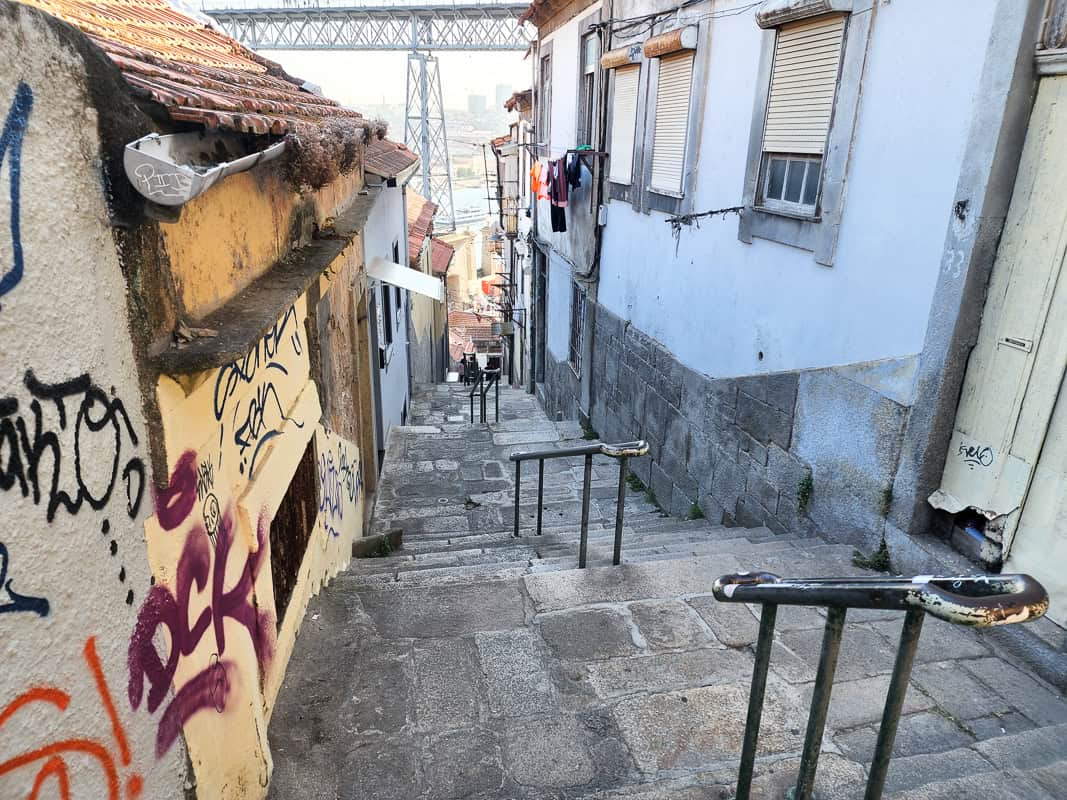
While the city’s historic core looks deceptively small on a map, the reality on the ground is defined by dramatic granite ravines. Planning your routes by elevation rather than just horizontal distance will save your legs and keep you from backtracking up punishing inclines after long days of tasting and sightseeing.
The Golden Rule: Navigating Porto’s Hills
Porto is intensely vertical, meaning almost every outing involves walking uphill in at least one direction on slick cobblestones.
During our six weeks living midway up Rua do Almada, climbing was our daily routine. To navigate the hills without exhausting yourself, follow three practical rules:
- Master the Two Bridge Levels: The iconic iron Dom Luís I Bridge has two decks. If you are uphill near the Cathedral or São Bento, walk across the upper deck to reach Jardim do Morro and upper Gaia directly. Only use the lower deck if you are already down at the riverbanks of Ribeira or lower Gaia.
- Vertical Transit: When your legs are tired, pay €4 to take the Funicular dos Guindais from the Ribeira riverbank up to Batalha, or ride the Teleférico de Gaia (cable car) from the Gaia promenade up to the hilltop park.
- Rideshares: Bolt and Uber operate throughout Porto and are inexpensive; rides between the riverbank and upper neighborhoods generally cost €4 to €6.
Have more than three days in Portugal? Check out our 10-day Portugal itinerary for food and drink travelers
The 3-Day Porto Itinerary
This 3-day Porto itinerary organizes Northern Portugal’s capital into logical geographic zones to minimize steep hill climbs while hitting major historic sights, Port cellars, and coastal seafood.
By dedicating one full day to historic Baixa and Bolhão, one day across the river to the Port wine lodges of Vila Nova de Gaia, and one day to coastal Foz do Douro and Matosinhos, you get a balanced experience of cultural landmarks and neighborhood food traditions without rushing.
Day 1: Historic Baixa, Bolhão Market & Francesinhas
Day one focuses on Porto’s historic urban core, showcasing ornate azulejo tilework, local market stalls, sweeping panoramic views, and the city’s legendary sandwich.
Morning: Azulejos at São Bento & Clérigos Views
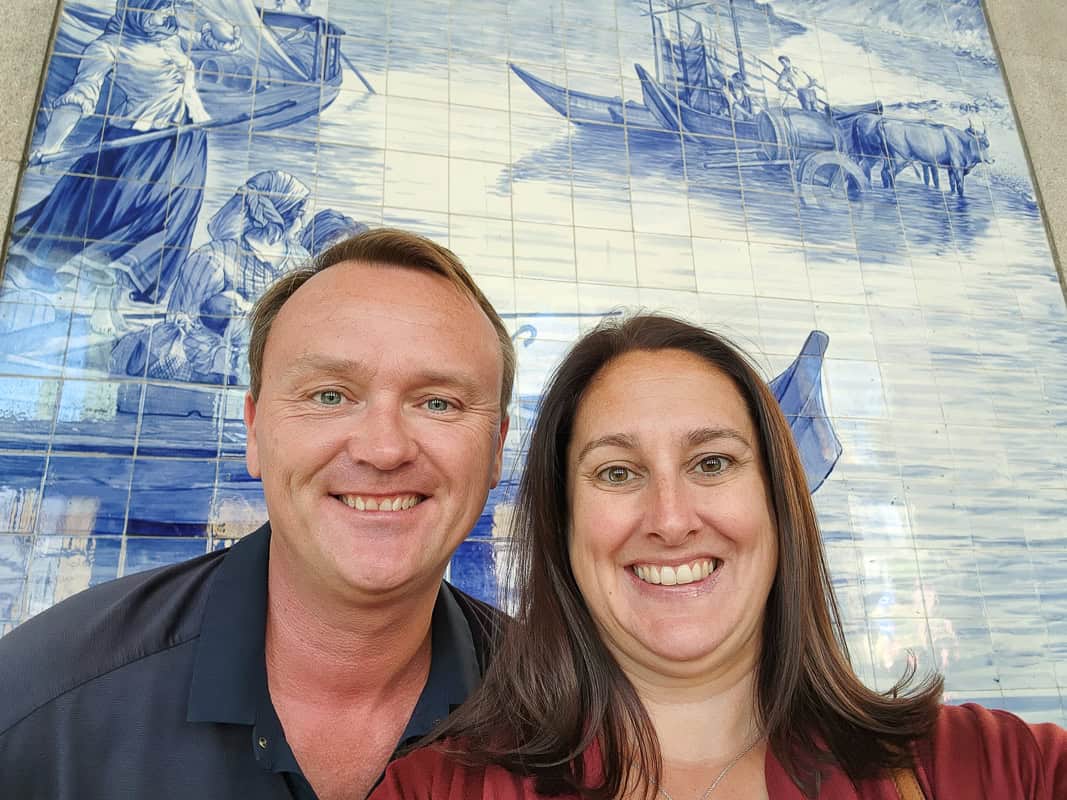
São Bento Railway Station features 20,000 hand-painted blue-and-white azulejo tiles depicting monumental scenes from Portuguese history.
Start your morning inside the central vestibule of São Bento Station to view the historic tilework created by artist Jorge Colaço. From the station, walk uphill to Torre dos Clérigos and climb its 225 narrow stone steps for a 360-degree panoramic view across Porto’s terracotta rooftops and the Douro River gorge. On your way back down, pass the neo-Gothic exterior and ornate carved woodwork of Livraria Lello.
Midday: Exploring Mercado do Bolhão
Mercado do Bolhão is Porto’s restored 19th-century municipal market, packed with traditional vendors selling artisan cheeses, tinned fish, and regional charcuterie.
Head into the covered market hall to watch locals shop and browse stalls offering cured sausages, fresh bread, olives, and preserves. The perimeter features casual counter-service bars where you can grab a stool, order a tin of local sardines or petiscos, and pair it with a glass of chilled Northern Portuguese espumante (sparkling wine).

Lunch: The Francesinha Challenge
The Francesinha is Porto’s iconic comfort dish: a towering warm sandwich stuffed with meats, smothered in melted cheese, and bathed in a spiced beer-and-tomato sauce.
Walk five minutes south of the market to local institutions like Café Santiago or Brasão. The sandwich is layered with beef steak, fresh linguiça sausage, and wet-cured ham between thick bread, topped with a fried egg and melted cheese, then drenched in a bubbling, savory sauce. It is exceptionally filling, so consider splitting one alongside an order of french fries and a cold draft beer (um fino).
Afternoon: Rua das Flores & Miradouro da Vitória
Pedestrianized Rua das Flores connects upper Baixa to the river, lined with historic facades, independent boutiques, and quiet scenic lookouts.
Stroll down the cobblestones of Rua das Flores, stopping into historic heritage shops like Escovaria de Belomonte, which has produced handmade brushes since 1927. Cut west through the narrow alleys of the old Jewish quarter to reach Miradouro da Vitória—an unpolished, quiet overlook that delivers sweeping views of the Dom Luís I Bridge, Gaia’s red roofs, and the river far below.
Evening: Craft Cocktails & Regional Petiscos
Lower Baixa offers a walkable mix of independent cocktail lounges and traditional wine bars serving northern Portuguese sharing plates.
End your first night exploring the lower streets above Ribeira. Head to Curioso Cocktail Kitchen on Rua de Ferreira Borges for balanced, creative craft drinks built with Portuguese spirits, then transition to a neighborhood wine bar for a casual dinner of local sheep cheeses, cured meats, and fresh bread.
Day 2: Port Wine Lodges & Vila Nova de Gaia
Day two crosses the Douro River into Vila Nova de Gaia, dedicated to exploring historic Port wine lodges, scenic hillside viewpoints, and traditional northern dinners.

Morning: Walking the Upper Deck of Dom Luís I Bridge
The pedestrian upper deck of the Dom Luís I Bridge sits nearly 200 feet above the Douro River, offering unobstructed panoramic views of Porto’s colorful riverfront.
Begin your morning by walking across the high deck from the Cathedral area into Gaia. The path brings you directly to Jardim do Morro, a terraced hilltop park that provides the classic vantage point over Porto’s terracotta roofs, church spires, and historic river quays. From here, take a quick taxi up the ridge to reach the historic lodge quarter without an uphill slog.
Midday: Cellar Tours & Tastings at Graham’s 1890 Lodge
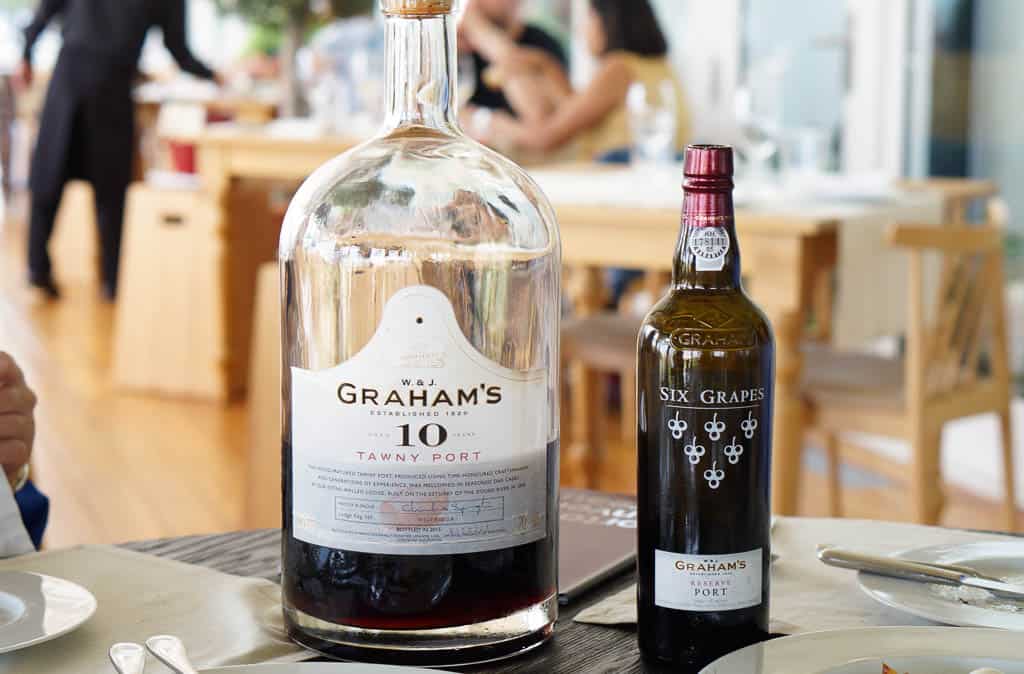
Graham’s 1890 Lodge provides high-end guided tastings in its private Vintage Room, paired with panoramic river views from its granite hillside terrace.
Sitting high on the slope where cool Atlantic breezes regulate barrel aging, Graham’s houses thousands of oak casks of maturing Port. Tour the historic lodge to understand the differences between Ruby, Tawny, and Single-Quinta Vintage Ports, then book a tasting flight of rare library tawnies. Afterward, book a lunch table on the glass-enclosed terrace at Vinum Restaurant & Wine Bar for elevated regional dishes paired with Douro DOC table wines. (For more cellar ideas, read our full Port Wine Tasting Room Guide).
Afternoon: Exploring Boutique Family Lodges
Visiting smaller, family-owned lodges down the hillside offers intimate seated tastings without the crowds of major commercial riverfront cellars.
Walk down through the narrow stone alleys of Gaia to seek out independent producers:
- Vasques de Carvalho: An intimate, stone-walled tasting room and courtyard specializing in exceptional 30- and 40-year-old aged tawny ports.
- Quevedo Port Wine: A laid-back, modern tasting space offering informal port flights, cheese boards, and daily afternoon live fado performances.

Late Afternoon: Sunset Views & Porto Tónico at Espaço Porto Cruz
Lounge D’Cruz 360° is a sleek rooftop terrace atop Espaço Porto Cruz on the Gaia promenade, ideal for river views and refreshing white port cocktails.
Head down to the waterfront promenade and take the elevator to the top floor of Espaço Porto Cruz. Grab an outdoor seat overlooking the river as dusk settles over the Ribeira facades across the water. Order a classic Porto Tónico—chilled white Port mixed with tonic water, citrus peel, and fresh mint—which cuts through the sweetness of the wine and makes an ideal late-afternoon aperitif.
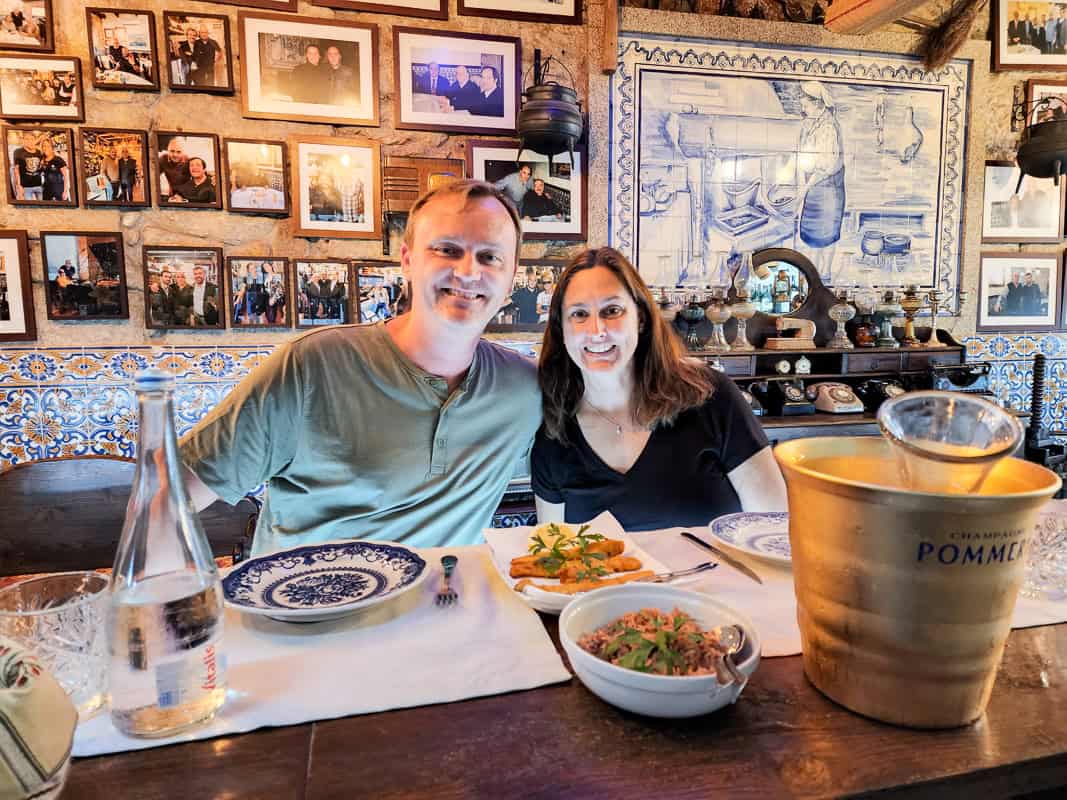
Evening: Traditional Northern Dinner at A Cozinha do Manel
A Cozinha do Manel is a heritage restaurant in the residential Bonfim neighborhood, renowned for wood-roasted meats and authentic northern hospitality.
Cross back over the river away from tourist-heavy riverfront menus into the quiet neighborhood of Bonfim. A Cozinha do Manel has welcomed travelers and locals for decades with soulful cooking:
- Bacalhau à Gomes de Sá: Casserole-baked salt cod layered with tender sliced potatoes, caramelized onions, hard-boiled eggs, and black olives.
- Cabrito Assado no Forno: Young kid goat roasted slowly in wood-fired ovens until the meat falls away from the bone, served with roasted potatoes.
- Queijo Serra da Estrela: A whole, creamy wheel of raw sheep’s milk mountain cheese served tableside with warm crusty bread.
Day 3: Coastal Foz do Douro, Fresh Seafood & Historic Tascas
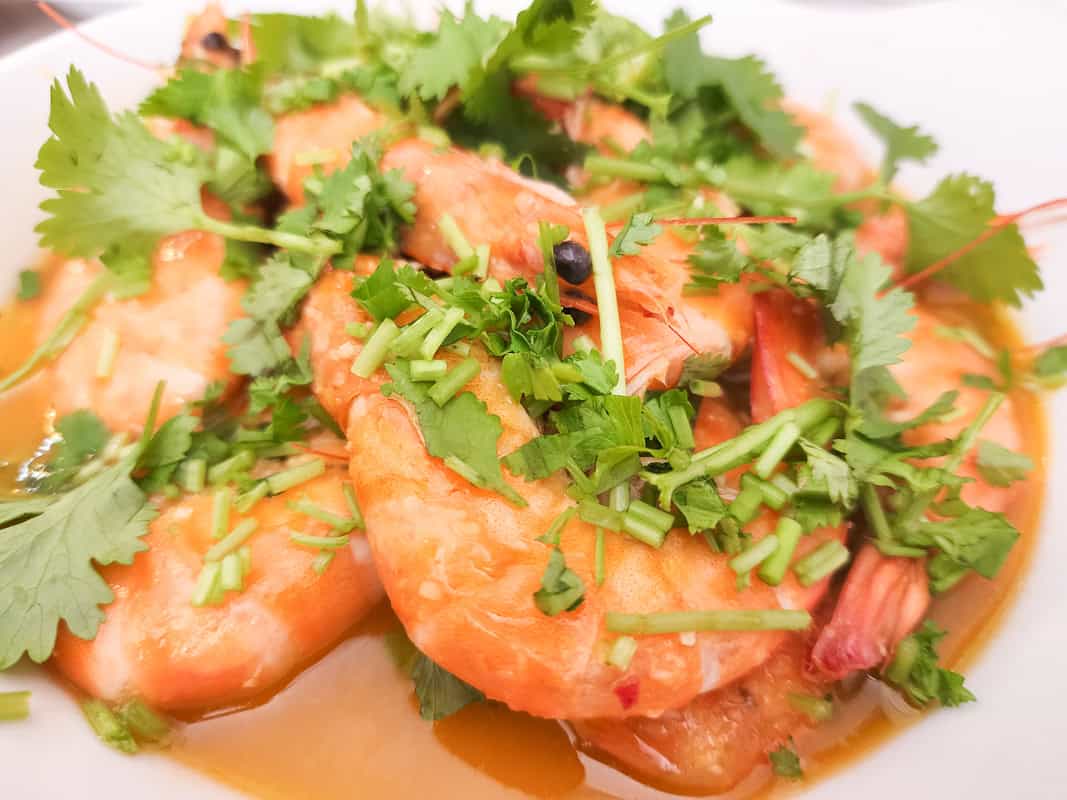
Day three explores Porto’s Atlantic coastline, featuring vintage tram rides to Foz do Douro, open-air sidewalk fish grills in Matosinhos, and an evening tavern sandwich crawl.
Morning: Vintage Tram 1 to the Atlantic Coast
Historic Tram 1 runs along the northern bank of the Douro River, connecting central Porto to the coastal promenade and breakwaters of Foz do Douro.
Board the polished wood vintage tram outside the gothic Church of São Francisco in Ribeira. The scenic route follows the waterline west toward the Atlantic. Disembark at Passeio Alegre and take a morning walk along the coastal promenade to Farol Molhe do Douro, a 19th-century granite lighthouse where you can watch Atlantic waves crash over the stone breakwaters.
Lunch: Charcoal-Grilled Seafood in Matosinhos
Rua Heróis de França in Matosinhos is famous for sidewalk charcoal grills where local fishmongers cook the morning’s Atlantic catch outdoors.
From Foz, take a quick bus or rideshare north into the working port town of Matosinhos. The street is lined with family-run marisqueiras with smoking outdoor charcoal embers:
- Robalo & Dourada: Whole sea bass or sea bream, butterflied and grilled with sea salt, olive oil, and boiled potatoes.
- Lulas Grelhadas: Tender local squid charred over embers and drizzled with garlic-infused olive oil and lemon.
- Petingas Fritas: Golden, crispy fried baby sardines eaten whole with your fingers.
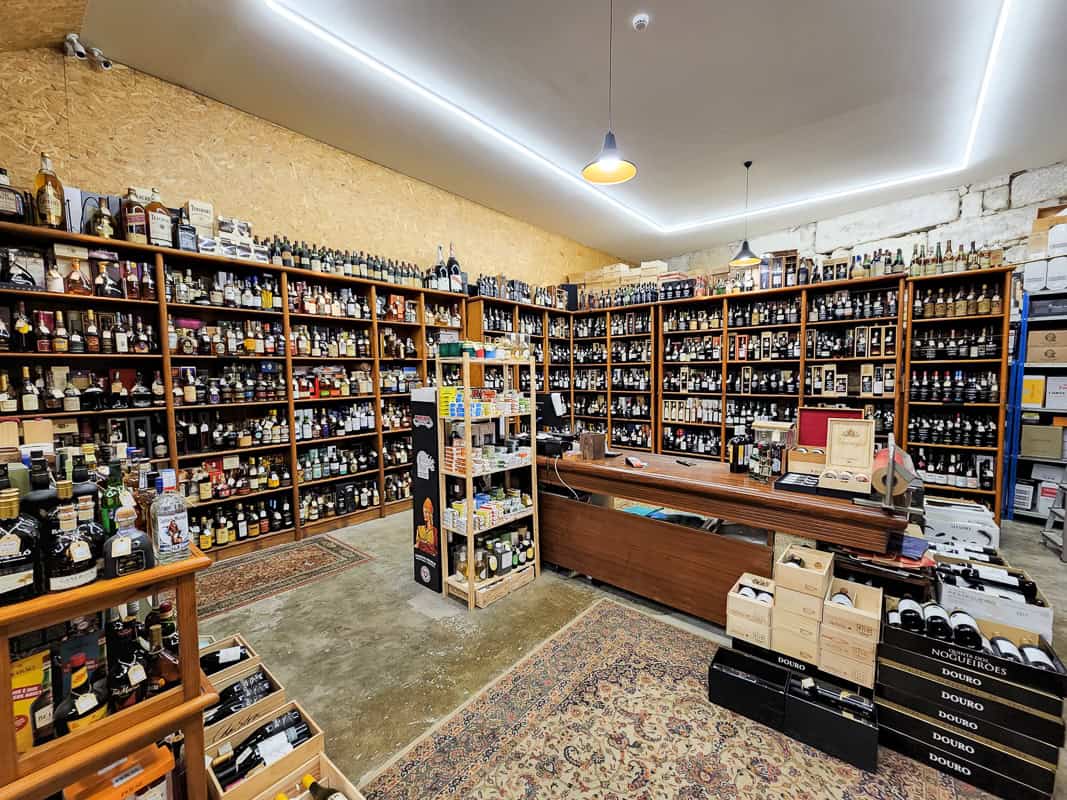
Afternoon: Waterfront Esplanadas & Wine Shopping
Foz do Douro offers rocky coastal terraces ideal for relaxing afternoon drinks, while central garrafeiras provide aged Port vintages.
On your return toward the city center, grab an outdoor table at a rocky waterfront esplanada along Praia dos Ingleses to enjoy a cold pitcher of fruit sangria by the water. Once back in central Baixa, stop into Garrafeira do Carmo. This heritage wine merchant features floor-to-ceiling wooden racks stocked with vintage ports, rare single-harvest Colheitas, and Douro DOC reds to take home.

Evening: The Classic Porto Tasca & Sandwich Crawl
Porto’s casual dining identity revolves around bustling snack bars and neighborhood tascas specializing in distinct regional sandwiches.
Conclude your three days with a casual evening crawl through local tavern classics:
- Casa Louro: A historic, no-frills tasca known for northern-style bifanas—thin pork cutlets simmered in a spicy, cumin-tinged sauce and stuffed into crusty rolls.
- Casa Guedes Tradicional (Praça dos Poveiros): Famous for Sandes de Pernil, made with slow-roasted pork leg sliced warm and piled high with gooey, melted Serra da Estrela sheep cheese.
- Cervejaria Gazela: An iconic counter bar celebrated for spicy cachorrinhos—thin, crusty baguettes filled with sausage and cheese, pressed flat, sliced into bite-sized fingers, and brushed with hot piri-piri butter alongside an ice-cold Super Bock draft.
Looking for more recommendations on where to eat? Check out our comprehensive Porto Food Guide.
Where to Stay in Porto
Porto is extremely walkable, but its hills are steep. To avoid punishing vertical climbs every morning, we recommend staying along the upper central ridge in Baixa or Cedofeita rather than down on the crowded riverfront:
- Central Arts & Historic District (Our Pick): Hotel Teatro – A dramatic, boutique theater-themed hotel in central Baixa, just steps from São Bento station, Bolhão Market, and traditional tascas.
- Longer Stays & Apartments: Booking a serviced apartment along Rua do Almada or in Cedofeita gives you a neighborhood kitchen, quiet evenings, and easy access to independent wine bars.
- The Luxury Wine Splurge (Across the River): The Yeatman – Perched in Vila Nova de Gaia with a decanter-shaped pool, 2-Michelin-star dining, and unrivaled postcard views looking back across the Douro.
See our full guide to the Best Neighborhoods in Porto.
Frequently Asked Questions: Visiting Porto
Do you need to rent a car in Porto?
No. You should strictly avoid having a car while exploring Porto. Streets are steep, narrow, and often restricted to trams, buses, or pedestrian traffic, and central parking is expensive and scarce. Only rent a car on the morning you depart Porto to explore the Douro Valley, Minho, or the central countryside.
How do you travel between Lisbon and Porto?
The easiest and most relaxing way to travel between Lisbon and Porto is via the Alfa Pendular (AP) high-speed train operated by CP (Comboios de Portugal). The journey from Lisbon’s Oriente or Santa Apolónia stations to Porto’s Campanhã station takes approximately 2 hours and 50 minutes, with frequent daily departures.
Can you walk across the Dom Luís I Bridge?
Yes, and it is one of the best experiences in the city. Pedestrians can walk across both the lower deck (which connects the two riverfronts) and the upper deck (which carries the metro line and links the upper Cathedral district to Gaia’s Jardim do Morro). The upper deck provides spectacular 200-foot-high panoramic views of the river gorge.
How many days do you need in Porto?
Three full days is ideal. It gives you dedicated time to explore historic Baixa and Bolhão, spend a full day across the river touring Port wine lodges in Vila Nova de Gaia, and take a half-day excursion out to the Atlantic beaches and seafood grills of Foz do Douro and Matosinhos.
Is Porto cheaper than Lisbon?
Yes. While central boutique hotel rates have risen, everyday food and drink costs in Porto remain noticeably lower than in Lisbon. A lunch special (prato do dia) at a neighborhood tasca—including soup, main plate, wine, and espresso—frequently runs between €8 and €12, and a fresh bifana or craft beer typically costs €2.50 to €3.50.