
Spain is a popular destination, especially for tourists during the summer holidays. But what is Spain famous for? Keep reading to understand more about culture, food and drinks, and famous landmarks in Spain.
After living in Spain and traveling around the country, we have a lot of ideas about what Spain is known for, particularly for travelers heading to Spain to eat and drink.
Spain is internationally famous for its diverse regional gastronomy, world-renowned wine regions, passionate flamenco traditions, and monumental Moorish and modernist architecture. Having lived in Catalonia for over three years and traveled extensively from Andalusia to the Basque Country, we’ve experienced first-hand how Spain’s 17 autonomous communities each boast distinct culinary identities—from acorn-fed Jamón Ibérico and wood-fired Valencian paella to Antoni Gaudí’s architectural masterpieces in Barcelona.
*This post contains compensated links. Find more info in my DISCLAIMER. As an Amazon Associate, I earn from qualifying purchases.
Quick Facts: What Spain Is Most Famous For
| Category | Iconic Spanish Highlight | Regional Origin / Hub | Cultural & Culinary Significance |
| Cured Charcuterie | Jamón Ibérico de Bellota | Extremadura, Salamanca & Andalusia | 100% acorn-fed Iberian cured ham; aged 36–48 months with rich intramuscular marbling. |
| Iconic Rice Culture | Authentic Paella Valenciana | Valencia (Albufera Lagoon) | Wood-fired bomba rice cooked with rabbit, chicken, green flat beans (ferraura), and saffron. |
| Social Dining Rituals | Tapas & Pintxos Culture | Andalusia (Tapas) & Basque Country (Pintxos) | Small savory sharing plates and skewered bar bites paired with regional wine, cider, and beer. |
| Viticulture & Wine | Rioja, Priorat & Cava | La Rioja, Catalonia & Penedès | World-class barrel-aged Tempranillo reds, mineral Priorat, and traditional-method sparkling Cava. |
| Modernist Architecture | La Sagrada Família & Park Güell | Catalonia (Barcelona) | Antoni Gaudí’s visionary nature-inspired basilicas and UNESCO World Heritage parklands. |
| Moorish Heritage | The Alhambra & Generalife | Andalusia (Granada) | The pinnacle of Nasrid Islamic palace architecture, courtyards, and geometric tilework. |
| Fine Dining Vanguard | Michelin-Starred Gastronomy | Catalonia (Girona) & Basque Country (San Sebastián) | Global leaders in culinary innovation, home to El Celler de Can Roca and historic vanguard dining. |
| Performing Arts | Flamenco Music & Dance | Andalusia (Seville, Granada, Jerez) | UNESCO-recognized intangible cultural heritage expressing rhythm (compás), guitar, and song. |
| Historic City Squares | Plaza Mayor & Royal Heritage | Madrid (Central Spain) | 17th-century Habsburg monumental plazas and grand imperial architecture. |
Table of Contents
Why Travel To Spain
Spain is famous for its summer resort and extensive sandy beaches on both the Atlantic and Mediterranean Oceans. In addition, Spain has two archipelagoes, the Canary Islands and the Balearic Islands.
The Balearic Islands are an archipelago located in the Balearic Sea near the Iberian Peninsula’s eastern coast. The Canary Islands also referred to as the Canaries, is an archipelago in the Macaronesia region of the Atlantic Ocean.
The Teide National Park is also famous in Spain and is the most visited national park. Amusement Parks, such as Terra Mitica, Tivoli Park, and Tibidabo Amusement Park, are also available in Spain.
How To Book Hotels In Spain
Since leaving the US over a decade ago, we’ve traveled to Spain numerous times. We’ve even lived in Spain for over three years. During these trips to Spain, we learned a few things about booking hotels in Spain. We’ve stayed at stunning luxury hotels like the Hotel Alfonso XIII in Seville and the W Barcelona. And sadly we have stayed in our fair share of not-so-great hotels in Spain.
When planning our trips to Spain, we use Booking.com for hotels in Spain. In addition to booking hotels, we’ve used them to book apartments in Spain for longer stays. When we’ve wanted something special, we’ve used Booking to find stunning villas in Spain. We’ve even found some charming and less expensive guest houses in Spain on Booking.com.

What Food & Drink Is Spain Famous For?
So, what is Spain famous for in terms of food and drink? Spanish dishes are hearty, unique, and wonderfully satisfying. Spain knows what to do when it comes to food and beverages.
If you are traveling to Spain, visiting different regions gives you the opportunity to try as much Spanish cuisine as possible.
Discovering new tastes and eating traditional food in Spain is a delightful traveling experience. You will experience culture through the local foods and drinks. Furthermore, traditional Spanish cuisine will give you a deeper insight into the customs and traditions of Spain.
So, what food is Spain famous for? Since we cannot cover all Spanish delicacies, we have compiled five famous Spanish foods and drinks.

Jamón Ibérico: Cured Acorn-Fed Spanish Ham
Jamón Ibérico is Spain’s most prized gastronomic export, a dry-cured ham made from black Iberian pigs that roam free-range through oak forests (dehesas) feeding on sweet acorns (bellotas).
Jamón Iberico is a type of dry-cured Spanish ham produced from specific breeds of livestock. Not many people know, but Jamón is made from pure breeds or crossbreeds, which are at least 50 percent Black Iberian.
Jamón has a rich, savory taste and a smooth texture. This ham has a relatively higher fat content compared to other types of ham. A good Jamón ham should have regular streaks of intramuscular fat referred to as marbling.
Jamón Iberico is not only the finest ham in Spain but also all over the world. The production process also explains why the Jamón ham is such a popular Spanish food for locals and tourists.
Check out this recipe for croquettas de jamon, made with Spanish cured ham.

Authentic Paella Valenciana & Regional Rice Dishes
Paella is Spain’s iconic saffron-infused rice dish originating in Valencia, traditionally cooked in a wide, shallow pan over wood fire with rabbit, chicken, local beans, and rosemary.
Paella is a famous Spanish food and is more of a ritual than a meal. The paella is a dish of saffron-flavored rice prepared with meat, vegetables, and seafood. In addition, the dish originates from the rice-growing areas and is associated with Valencia.
The traditional paella is known as Paella Valenciana and is believed to be the original recipe. Valencia Paella includes round grain rice, rabbit, chicken, broad green beans, and local white beans.
There are also other forms of paella. Paella de marisco also referred to as seafood paella, replaces meat with seafood. Paella mixta, also known as mixed paella, combines seafood with meat from livestock.
Pro Tips: make sure to have a side of Spanish Alioli Garlic sauce at the ready.

Rioja Wine & Historic Spanish Viticulture
Rioja is Spain’s premier wine region, internationally famous for crafting structured, oak-aged red wines dominated by the noble Tempranillo grape.
Spanish wine is one of the best things from Spain. Spain has seven wine regions based on geography, climate, and culture. However, Rioja is the most famous Spain wine region.
Rioja wine is produced from a blend of grape varieties. However, Tempranillo is the dominant grape, while Garnacha is included to add fruitiness. Graciano and Mazuelo may also be included.
Rioja is famous for its barrel-aged wine, which gives it a distinctive taste. The wine also has a unique structure and fruity character. Rioja is also among the most famous wines in Spain because you can pair it with almost all kinds of food.

Tapas & Pintxos: Spain’s Social Bar Culture
Tapas and Pintxos represent Spain’s social dining culture, ranging from complimentary bar snacks in Andalusia to intricate, toothpick-skewered gourmet bites across Basque taverns.
When you go into a Spanish bar, you will be tempted to as what is a tapa. It is also quite challenging to differentiate a tapa from a pintxo.
A tapa is simply a snack or appetizer in Spanish cuisine. Spanish tapas are served on a plate and are usually a tiny portion of some typical Spanish dish. In some tapas bars and restaurants in Spain, tapas have evolved into sophisticated cuisines and can be combined to create a full meal.
On the other hand, pintxos or pinchos are presented with a toothpick spearing a small piece of bread with some delight on top, such as mushrooms, Jamon, or cheese. However, both Tapas and Pintxos are served in bars to accompany a drink.
Pintxos originated in Basque, an autonomous region in northern Spain. Pintxos are therefore common in the northern part of Spain. However, Tapas are popular in Southern Spain.

Michelin-Starred Vanguard Gastronomy in Spain
pain is a global vanguard of avant-garde gastronomy, boasting world-class three-star Michelin restaurants in culinary capitals like Girona, San Sebastián, Madrid, and Barcelona.
Many restaurants dream of earning a Michelin star because it brings industry respect, media attention, and ultimately new customers. The Michelin Star is awarded on a scale of between one and three stars, and only the top establishments qualify for the star.
To earn a single Michelin star, the restaurant must be good. For two and three stars, the restaurant must have excellent cooking and exceptional cuisine, respectively.
If you are traveling to Spain, you do not need to worry because there are numerous Michelin Star restaurants in Spain.
Famous Landmarks & UNESCO Sites in Spain
What is Spain known for in terms of landmarks? There are so many famous landmarks in Spain for us to review. Spain is known for its landmarks, which appeal to tourists from all over the world.
Madrid is a top tourist destination and is one of the places Spain is famous for. The Golden Triangle of Art consists of three art museums in the center of Madrid. Madrid also hosts other famous landmarks such as the Prado Museum, the Royal Palace of Madrid, and CaixaForum Madrid.
Barcelona also hosts numerous landmarks that are famous in Spain. These landmarks include Museu d’Art Contemporani de Barcelona (MACBA), Sagrada Familia, and Museu Picasso.
Though Madrid and Barcelona host a lot of famous landmarks, there are many other landmarks spread all over the country.
For example, the Bilbao Fine Arts Museum in Bilbao is a famous landmark in Spain. Carmen Thyssen Museum in Malaga, the City of Arts and Sciences in Valencia, and many other landmarks.
La Sagrada Família: Gaudí’s Masterpiece in Barcelona
La Sagrada Família is Antoni Gaudí’s world-famous, UNESCO-listed unfinished basilica in Barcelona, celebrated for its forest-like interior columns and vibrant stained-glass light.
La Sagrada Familia is a massive unfinished Roman Catholic Cathedral located in Barcelona’s Eixample District. Antoni Gaudi, a Spanish architect, designed the building, and construction started in 1882.
The Sagrada Familia is surrounded by controversy because some people feel that the Gaudi would not have used today’s new construction materials.
Once you visit the building, you will notice the contrasting stone color between the back and front. You will also see the different construction styles between the old and new parts.
One of the best features of Gaudi’s architectural design is the use of light. The church has huge stained-glass windows that wash the naves with color.
The best time to visit the church is mid-morning or late afternoon. At this time, sunlight directly strikes the windows creating a stunning view.
The Sagrada Familia receives many visitors and is overcrowded at peak times. However, there are only several limited tickets, and there are fixed entry points to avoid overcrowding.
To avoid the long queues, you can buy tickets online up to two months in advance. Alternatively, you can buy a Barcelona Pass, which has a fast-track entry to the building.

City of Arts and Sciences In Valencia
The City of Arts and Sciences (Ciudad de las Artes y las Ciencias) is Valencia’s striking futuristic architectural complex designed by Santiago Calatrava along the drained Turia riverbed.
The City of Arts and Sciences is a cultural and scientific complex located in Valencia. The complex covers approximately two kilometers of the former River Turia’s riverbed. In addition, the complex is a famous and modern tourist destination and is among the 12 Treasures of Spain.
Once you visit the City of Arts and Sciences, you will be able to see the Oceanografic, which is Europe’s giant aquarium.
You will also see a 3D cinema, known as the Hemisferic. Other sights available include the Science Museum, Opera House, Umbracle, Agora, and Assut de I’Or.
Depending on your interests, a visit to the City of Arts and Sciences will take you between three and four hours. Tickets are available online, and the complex is open 365 days a year. However, the complex is at its peak during weekends and holidays.
Park Güell: Gaudí’s UNESCO Park in Barcelona
Park Güell is a whimsical municipal garden designed by Antoni Gaudí on Carmel Hill in Barcelona, famous for its serpentine mosaic tile bench and panoramic Mediterranean views.
Park Guell is a privatized park consisting of architectural elements and gardens. The park is located on Carmel Hill, Barcelona. Construction of the park began in 1900 and was completed in 1914. The park was officially opened in 1926, and in 1984, UNESCO declared it a World Heritage Site.
Park Guell is one of the famous landscapes in Spain. Some of the attractions you should not miss out on include the Serpentine Bench, the mosaic tile bench, the El Drac mosaic salamander, Austria Gardens, the Gaudi House Museum, the Sala Hipostila, and the Laundry Room Portico.
Visit Park Guell during the low season, which is January to March and October to December. The best time is between 9.30 am and 11.00 am. These times will enable you to avoid crowds.

The Prado Museum: Masterpieces of Spanish Art in Madrid
The Prado Museum (Museo del Prado) in Madrid houses the world’s premier collection of Spanish masterworks, featuring legendary paintings by Francisco Goya, Diego Velázquez, and El Greco.
The Prado Museum is Spain’s main national art museum and is considered the world’s finest art collection. This museum is located in Paseo del Prado in Madrid.
When you visit the museum, you will see the best art collections, including paintings and sculptures. The collection contains over 8,000 drawings, 7,500 paintings, 4,800 prints, and over 1,000 sculptures.
The museum also hosts special exhibitions and collection highlights which feature selected works.
The best time to visit the Prado Museum is at 10.00 am or between 2.00 pm and 4.00 pm. The museum tends to have fewer crowds during this time.
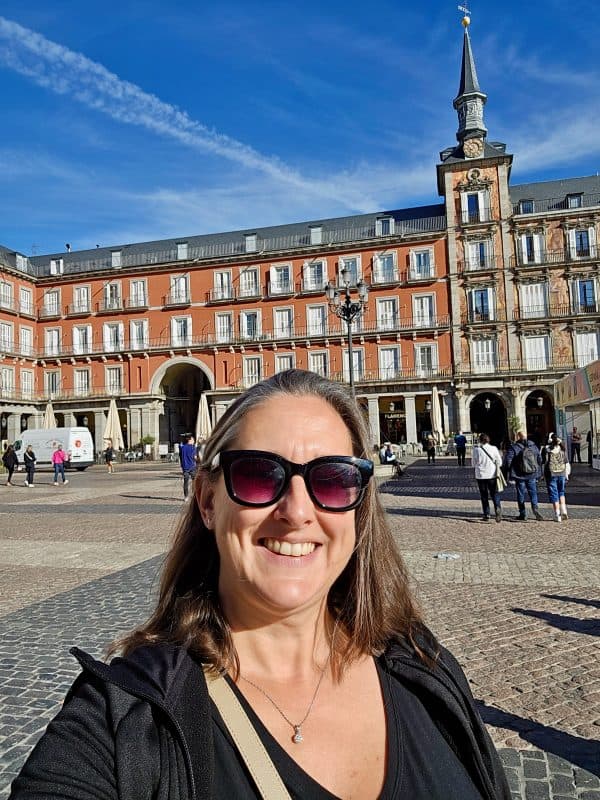
Plaza Mayor: Historic Central Square in Madrid
The Plaza Mayor is Madrid’s grand 17th-century central public square, lined with historic red-brick facades, 237 wrought-iron balconies, and lively outdoor cafes.
The Plaza Mayor is a public space located in Madrid, the capital city of Spain. The Plaza originally served as the main market and was built in the 15th Century.
You can do and see several things when you visit the Plaza Mayor. If you want to take a break from exploring the Plaza, you can eat or drink at Al Fresco while sitting outside.
You can also walk around the square while admiring the balconies that face the center of the Plaza. You will also see the statue of Felipe III riding his horse.
Plaza Mayor is open from Monday to Sunday. However, the ideal time to visit is the Plaza is in the morning right after opening to avoid crowds.
There are many reasons why Spain is a popular tourist destination. With so much to see and do, it’s not hard to understand why this is one of the most preferred destinations. Spain is also famous for many things, including its landmarks, history, culture, food, and drinks.
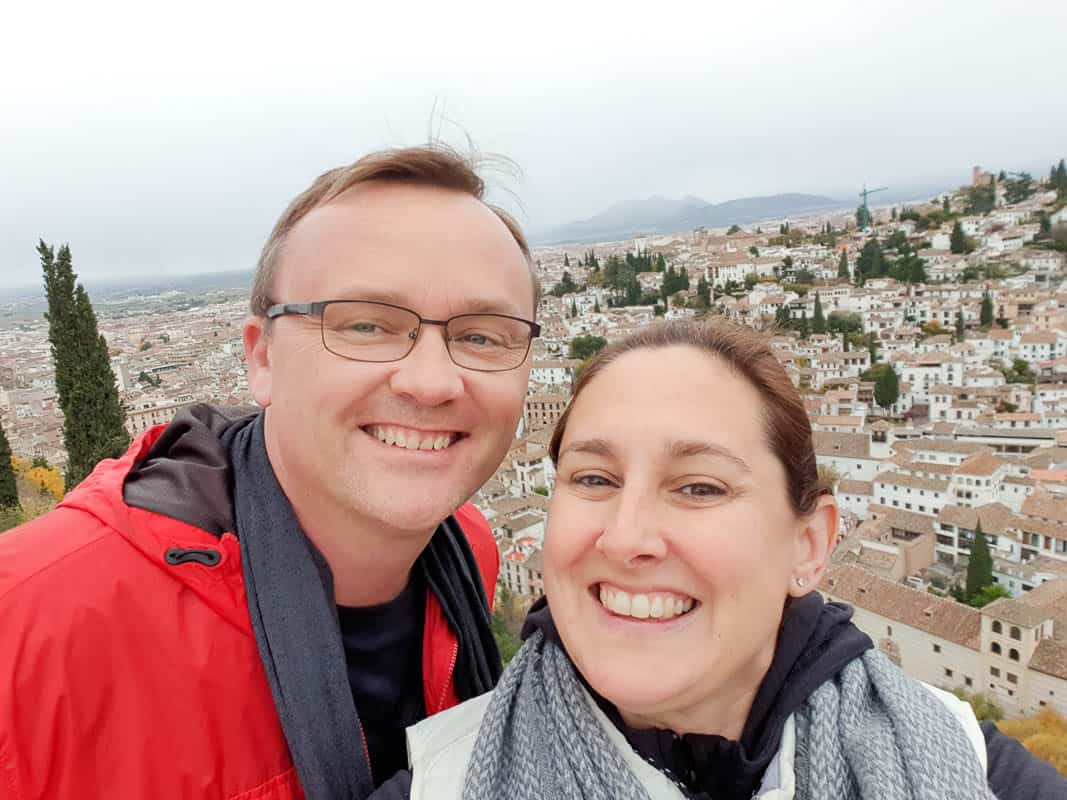
The Alhambra: Moorish Palace Architecture in Granada
The Alhambra is an extraordinary Moorish palace and fortress complex in Granada, Andalusia, recognized worldwide as the finest surviving example of Islamic Nasrid architecture in Europe.
Set against the backdrop of the Sierra Nevada mountains, this UNESCO World Heritage complex features intricate geometric plasterwork, serene courtyard fountains, and the lush gardens of the Generalife.

Flamenco: UNESCO Intangible Cultural Heritage in Andalusia
Flamenco is a passionate, centuries-old art form combining acoustic guitar, intricate handclapping (palmas), and expressive dance that originated among the Romani communities of Andalusia.
Recognized by UNESCO as an Intangible Cultural Heritage of Humanity, experiencing an authentic live flamenco performance (tablao) in Seville, Jerez de la Frontera, or the cave quarters of Granada is one of Spain’s most moving cultural rituals.
Frequently Asked Questions About What Spain Is Most Famous For
What is Spain most famous for?
Spain is most famous for its culinary traditions (Jamón Ibérico, authentic paella, tapas, and Rioja wine), historic and modernist architecture (Gaudí’s Sagrada Família in Barcelona and the Moorish Alhambra in Granada), passionate flamenco music, and its sun-drenched Mediterranean coastlines.
What is the most famous food in Spain?
Spain’s two most famous culinary staples are Paella Valenciana (a saffron rice dish cooked with chicken, rabbit, and local flat beans) and Jamón Ibérico de Bellota (cured Iberian acorn-fed ham). Other popular favorites include Spanish tortilla (tortilla de patatas), gazpacho, and churros con chocolate.
What is the difference between Tapas and Pintxos?
Tapas are small sharing plates or bowls of food (like patatas bravas or croquetas) popular throughout Spain and often served complimentary with drinks in Andalusia. Pintxos (pinchos) originate in the Basque Country and Northern Spain, featuring gourmet bite-sized toppings secured to a slice of baguette with a wooden toothpick.
What is the number one tourist attraction in Spain?
La Sagrada Família in Barcelona is Spain’s most visited landmark, attracting millions of international travelers each year to admire Antoni Gaudí’s unfinished modernist architectural masterpiece.
How many UNESCO World Heritage Sites are in Spain?
Spain is home to 50 UNESCO World Heritage Sites, ranking among the top countries in the world alongside Italy and China, with highlights including Park Güell, the Alhambra, Segovia’s Roman Aqueduct, and the historic center of Toledo.