
Thailand may have a reputation for ancient temples and beautiful beaches, but it is also home to some of the most delicious food on the planet! Spices in Thailand range from delicate and neutral to decadent and spicy, and come together to create unforgettable dishes that will have you coming back for more. Bring Thailand home with you, and make some magic in the kitchen with recipes for unique and tasty curries, stir-fries, and everything in between – time to add a little spice to your life!
Authentic Thai cooking is rooted in a harmonious balance of five core flavor profiles—sweet, sour, salty, spicy, and bitter—built upon fresh aromatic rhizomes, vibrant herbs, and sun-dried spices. Rather than relying on heavy pre-ground spice blends, traditional Thai cuisine pounds fresh ingredients like galangal, lemongrass, coriander roots, and fiery bird’s eye chilies into concentrated curry pastes (prik gaeng) and fragrant stir-fry aromatics.
*This post contains compensated links. Find more info in my DISCLAIMER. As an Amazon Associate, I earn from qualifying purchases.
Essential Thai Spices & Herbs Glossary
| Thai Name | English / Common Name | Flavor Profile & Key Role | Primary Dishes & Curries |
| Kha (ข่า) | Galangal | Sharp, piney, citrusy, and floral; tough fibrous rhizome. | Tom Yum, Tom Kha Gai, Red & Green Curry pastes. |
| Takrai (ตะไคร้) | Lemongrass | Citrus-forward, herbal, and woody with bright lemon aroma. | Tom Yum Goong, Massaman Curry, Thai tea infusions. |
| Bai Makrut (ใบมะกรูด) | Makrut Lime Leaves | Intensely aromatic, floral citrus; rich in essential citrus oils. | Panang Curry, Green Curry, Tom Yum, Tod Mun Pla. |
| Bai Ka Prow (ใบกะเพรา) | Holy Basil | Peppery, clove-like, spicy, and pungent with jagged leaves. | Pad Kra Pao (Holy Basil Stir-Fry), Jungle Curry. |
| Bai Horapha (ใบโหระพา) | Thai Sweet Basil | Anise-scented, licorice notes, sweet; sturdy purple stems. | Green Curry (Gaeng Keow Wan), Red Curry, Pad Ped. |
| Prik Khi Nu (พริกขี้หนู) | Bird’s Eye Chili | Fiery, sharp, intensely spicy, and pungent (50,000–100,000 SHU). | Prik Nam Pla, Som Tum, spicy dipping sauces. |
| Prik Haeng (พริกแห้ง) | Sun-Dried Red Chilies | Smoky, earthy heat; provides deep red color when rehydrated. | Thai Red Curry Paste, Khao Soi, chili flakes (Prik Bon). |
| Rak Phak Chi (รากผักชี) | Coriander / Cilantro Root | Earthy, sweet, intensely herbaceous, and peppery. | Moo Ping marinade, broth bases, green curry paste. |
| Krachai (กระชาย) | Fingerroot (Wild Ginger) | Earthy, medicinal, peppery, and rooty with warm heat. | Pad Cha seafood, Jungle Curry (Gaeng Pa), fish curries. |
| Prik Thai Orn (พริกไทยอ่อน) | Fresh Green Peppercorns | Piquant, herbal, mildly spicy with a juicy, popping crunch. | Pad Kee Mao (Drunken Noodles), Pad Cha, stir-fries. |
| Khamin (ขมิ้น) | Fresh Turmeric | Earthy, warm, slightly bitter; imparts brilliant yellow color. | Southern Thai Yellow Curry, Gai Tod Khamin (Fried Chicken). |
| Yee-Rah (ยี่หร่า) | Cumin Seeds | Warm, smoky, nutty, and pungent; toasted before grinding. | Massaman Curry, Panang Curry, Satay marinades. |
Table of Contents
Spices In Thai Cooking At Home
When it comes to seasoning, Thai food doesn’t go light! Traditional Thai recipes call for plenty of spice and herbs to create the rich, balanced flavors that are so popular worldwide. ‘More is more’ is the catchcry of Thai cuisine, so make sure to be generous with your measurements when cooking up a storm.
There are many spices in Thailand that add flavor and color to traditional dishes – luckily, you can find all of them at home! Well-known Thai cooking ingredients like garlic, ginger, and cumin are readily available in grocery stores, and you can buy anything unusual (we’re looking at you, galangal!) from Asian markets.
Want to learn more about the flavors of Thai food, but don’t know where to start? Here are 12 of the most common Thai seasonings and spices to get you started on your culinary journey.
And, don’t equate Thai spices with only hot and spicy. Many of the dishes we learned to cook when living in Thailand, and some of our favorite Thai dishes, are perfectly balanced between spicy, sweet, salty, and sour.

Learn more about Thai food with some of these posts:
Thai Breakfast Dishes You Must Try In Thailand
Must-Try Thai Desserts And Sweets
Thai Drinks To Try – What To Drink In Thailand

Essential Fresh Rhizomes & Roots
Kha: Fresh Galangal
Galangal (Kha) is a pungent, wood-like rhizome in the ginger family characterized by a sharp, citrusy, and piney flavor that forms the aromatic backbone of iconic Thai soups.
Unlike culinary ginger, galangal has a taut, pale skin with pink shoots and is far too woody and fibrous to eat raw. In Thai cooking, it is sliced into thick coins to infuse coconut broths like Tom Kha Gai or pounded into fine pastes for red and green curries.
Takrai: Fresh Lemongrass Stalks
Lemongrass (Takrai) provides a crisp, floral citrus aroma without the acidity of lime juice, utilizing the tender lower white bulb for paste-making and bruised outer stalks for infusing stocks.
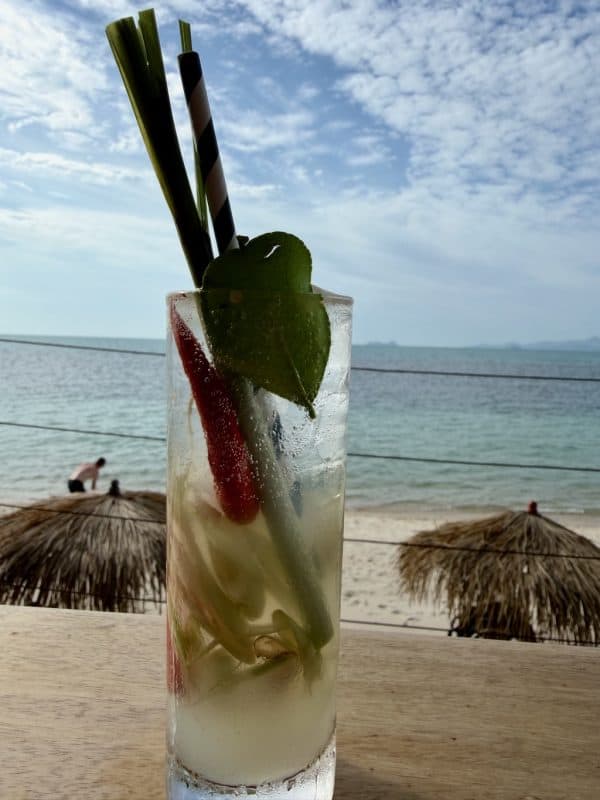
To release its essential oils, Thai cooks bruise the stalk with the back of a cleaver before adding it to simmering broths like Tom Yum Goong. When finely minced, lemongrass adds aromatic texture to fresh salads like Larb and spicy herbal marinades. It’s increasingly being used in cocktails in Thailand as well!
Krachai: Fingerroot (Chinese Keys)
Krachai (Fingerroot) is a culinary rhizome shaped like small fingers, delivering an earthy, medicinal, and pungent flavor specifically used to cut through the richness of seafood and game meats.
Essential for authentic Pad Cha (spicy stir-fried seafood) and Gaeng Pa (Jungle Curry), fingerroot is julienned into thin matchsticks. It balances strong ocean flavors with a distinctive herbal warmth that cannot be replicated with regular ginger.
Rak Phak Chi: Fresh Coriander Root
Coriander root (Rak Phak Chi) is the dense underground taproot of the cilantro plant, prized in Thailand for its intense, sweet, earthy flavor that far exceeds the aroma of the leaves.
Pounded in a stone mortar along with whole garlic cloves and white peppercorns, coriander root forms the foundational “Thai Trinity” used as a base marinade for charcoal meats like Moo Ping and chicken satay.
Thai Herbs & Aromatic Greens
Bai Makrut: Makrut Lime Leaves (Kaffir Lime)
Makrut lime leaves (Bai Makrut) are glossy, double-lobed leaves packed with fragrant citrus oils that deliver a floral, perfume-like lime aroma to curries and soups.
Torn by hand to expose the veins, the leaves simmer in rich curries like Panang and Massaman. For fish cakes (Tod Mun Pla) and salads, cooks remove the tough center rib and slice the leaves into gossamer-thin ribbons for an intense aromatic burst.
Bai Ka Prow vs. Bai Horapha: Holy Basil vs. Thai Sweet Basil
Thai cuisine utilizes two distinct types of basil: Bai Ka Prow (Holy Basil), which is peppery, clove-scented, and pungent, and Bai Horapha (Sweet Basil), which is sweet and licorice-forward with purple stems.
- Bai Ka Prow (Holy Basil): The star ingredient in Thailand’s beloved street stir-fry Pad Kra Pao. It has delicate, serrated leaves that wilt quickly under high wok heat, releasing sharp, spicy notes.
- Bai Horapha (Thai Sweet Basil): Added at the very end of cooking rich coconut curries like Gaeng Keow Wan (Green Curry) and Gaeng Phed (Red Curry) to preserve its sweet anise aroma.

Pungent Chilies & Peppercorns
Prik Khi Nu & Prik Haeng: Fresh Bird’s Eye & Dried Chilies
Chilies form the fiery soul of Thai cooking, split between raw fresh bird’s eye chilies (Prik Khi Nu) for instant searing heat and sun-dried red chilies (Prik Haeng) for earthy depth and vibrant red color.
- Fresh Bird’s Eye Chilies: Ranging from 50,000 to 100,000 Scoville Heat Units, these tiny peppers are sliced raw into Prik Nam Pla (fish sauce condiment) or smashed into Som Tum papaya salads.
- Dried Red Chilies: Soaked in warm water to soften before being pounded into red curry pastes, or dry-toasted and ground into Prik Bon (Thai chili flakes) for table seasoning.

Prik Thai Orn: Fresh Green Peppercorns
Prik Thai Orn are whole, fresh green peppercorn clusters harvested unripe on the vine, offering an herbaceous, mildly spicy pop with a juicy crunch in stir-fries.
Commonly tossed whole into fiery wok dishes like Pad Kee Mao (Drunken Noodles), they impart a resinous, piquant heat that cuts through rich meats and wide rice noodles.

Dry Spices & Ground Seasonings
Khamin: Fresh Turmeric
Turmeric (Khamin) is a vivid orange root providing a warm, earthy, slightly bitter undertone and brilliant yellow pigment, heavily utilized in Southern Thai cooking.
It is the defining ingredient in Southern Yellow Curry (Gaeng Som) and Gai Tod Khamin (turmeric-marinated deep-fried chicken), celebrated for its antimicrobial qualities and digestive benefits.
Yee-Rah: Toasted Cumin Seeds
Cumin (Yee-Rah) is an essential whole dry spice in Thai curry making, lightly dry-toasted in a skillet to release warm, smoky oils before being ground into fine powders.
While less prominent in everyday stir-fries, ground cumin is non-negotiable in complex, aromatic curry pastes heavily influenced by historical Persian and Indian trade routes, including Massaman Curry and Panang Curry.
Start Cooking With Thai Spices Today!
While some of the Thai seasonings and herbs above may sound unfamiliar, they’re actually very easy to access! Frozen or dried Thai spices are preferred in many cases. Grocery stores or Asian markets will have everything you need. If you prefer to shop online, Amazon has a great range of spices from Thailand and other overseas locations.
FAQs – Spices In Thailand
What are the 3 most essential herbs in Thai cooking?
The three most essential aromatics in Thai cuisine—often referred to as the foundation of Thai flavor—are galangal (kha), lemongrass (takrai), and makrut lime leaves (bai makrut), which together create the base for soups like Tom Yum and all major curry pastes.
What is the difference between Holy Basil and Thai Sweet Basil?
Holy Basil (Bai Ka Prow) has a spicy, peppery, clove-like flavor with jagged leaves and is used for hot stir-fries like Pad Kra Pao. Thai Sweet Basil (Bai Horapha) has a sweeter, licorice/anise profile with purple stems and is used in rich coconut curries like Green Curry.
Can you substitute regular ginger for galangal?
While ginger and galangal look similar, they have very different flavor profiles. Ginger is pungent, spicy, and juicy, whereas galangal is woodsy, sharp, piney, and citrus-forward. If galangal is unavailable, frozen or dried galangal is a far better substitute than fresh ginger.
What is the “Thai Trinity” in cooking?
The “Thai Trinity” (or Sam Kler) is a pounded aromatic paste made of coriander roots (rak phak chi), whole garlic cloves (krathiam), and white peppercorns (prik thai), used as the foundational marinade and broth base across Thai cuisine.
What are the 5 fundamental flavors of Thai food?
Authentic Thai dishes balance five distinct flavor profiles: spicy (fresh and dried chilies), sour (lime juice and tamarind), sweet (palm sugar), salty (fish sauce and shrimp paste), and bitter (herbal leaves and bitter melon).