
While thousands of day-trippers rush in on organized bus tours from Porto, the Douro rewards slow exploration by car and at least one or two overnight stays. Basing yourself directly at a vineyard estate allows you to enjoy the quiet hours when the tour boats depart, the late-afternoon sun turns the terraces deep amber, and estate terraces open for dinner. Our Douro Valley wine guide is here to help you plan the perfect trip.
The UNESCO-listed Douro Valley is the oldest demarcated wine region in the world, designated by the Marquis of Pombal in 1756. Carved by the serpentining Douro River, the valley features steep, plunging schist hillsides terraced with centuries-old stone walls (socalcos) and whitewashed quintas.
*This post contains compensated links. Find more info in my DISCLAIMER. As an Amazon Associate, I earn from qualifying purchases.
Quick Facts: Visiting the Douro Valley
| Detail | What to Know |
| Primary Wine Hubs | Peso da Régua (commercial transport hub) and Pinhão (scenic heart of the Cima Corgo) |
| Best Way to Explore | Rental car for vineyard access; regional train from Porto São Bento to Pinhão for a car-free day trip |
| Iconic Scenic Road | N222 between Peso da Régua and Pinhão (frequently ranked among Europe’s most scenic drives) |
| Wine Styles | Douro DOC Table Wines (mineral whites, powerful Touriga Nacional-led reds) and Port Wines |
| River Boat Tours | Traditional wooden rabelo boats depart Pinhão riverfront hourly for 1- or 2-hour river loops |
| Harvest Season | Vindima runs September through mid-October (requires booking stays months in advance) |
| Our Recommended Quinta | Quinta Nova de Nossa Senhora do Carmo (Covas do Douro / Pinhão) |
Table of Contents
Why the Douro Valley Belongs on Every Wine Lover’s Itinerary
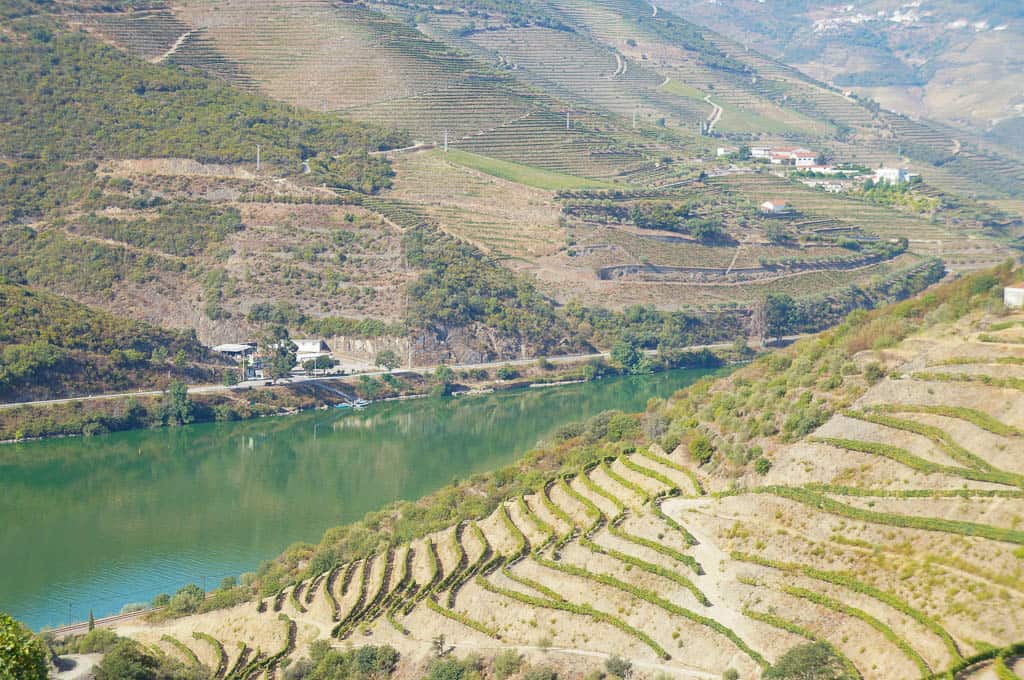
Carved into the rugged granite and mountains of northern Portugal, the Douro Valley is one of the most visually stunning wine regions in the world. As the oldest demarcated wine region on the planet—officially established in 1756—it is a monumental, UNESCO-listed landscape sculpted entirely by hand over centuries.
Thousands of dry-stone terraces plunge directly down into the winding Douro River, blanketed with ancient vineyards and punctuated by historic, whitewashed wine estates (quintas). Visiting the Douro isn’t simply about admiring postcard-perfect scenery; it is about stepping directly to the source of Portugal’s most iconic export, Port wine, while experiencing the dramatic terroir that makes it possible.
It’s where the most famous Portuguese drinks are born. And, we fell in love with it during our first trip to Portugal.
What surprises many first-time travelers is the remarkable evolution of the valley’s wine culture. While fortified Port wines laid the foundation of the region’s global fame, the Douro is now equally celebrated for producing some of Portugal’s finest unfortified or regular wines (Douro DOC)—from mineral-driven, aromatic whites to concentrated, full-bodied reds crafted from native grapes like Touriga Nacional and Touriga Franca.
Beyond the wine, the Douro offers an authentic rural counterpoint to the bustle of Porto and Lisbon. It invites you to slow down, glide past towering canyon walls on a traditional wooden rabelo boat, feast on slow-roasted mountain meats, and sleep in the middle of working vineyards where you can watch the morning mist rise off the river right from your terrace.
Looking to build a trip around Portugal? Check out our 10-Day Portugal Itinerary for culinary travelers.
How to Get Around the Douro Valley: Driving vs. Train
Deciding how to navigate the Douro Valley comes down to whether you prioritize freedom or scenic relaxation. While the historic Linha do Douro train offers a relaxed, car-free journey hugging the water’s edge, renting a car is the only way to climb the canyon walls and reach remote vineyard quintas.
Exploring by Rental Car (Our Recommended Method)
To visit boutique wineries, dine at estate restaurants, and stay at rural vineyard hotels, renting a car is essential. We’ve rented cars multiple times in Portugal, and it’s pretty easy to get around outside of the cities.
- The Route: Drive east from Porto along the A4 motorway, then drop down onto the riverside N222. The 27-kilometer stretch of the N222 connecting Peso da Régua to Pinhão hugs the southern riverbank closely, carving through rock bluffs and vine rows.
- Road Reality: The main river roads are well-paved, but the secondary roads climbing out of the canyon to upper quintas are narrow, single-lane switchbacks with sheer drop-offs and sharp hairpin turns. Drive cautiously and downshift on steep roads.
The Train Option (Linha do Douro)
If you prefer not to drive, take the Linha do Douro train from Porto’s São Bento Station straight to Pinhão. The final hour of the rail journey runs directly along the water’s edge, offering panoramic views. From Pinhão station, you can walk to the boat docks and nearby riverfront quintas like Quinta do Bomfim or Quinta de la Rosa.
If you are staying overnight, many of the Quintas will help with transport.
Top Things to Do in the Douro Valley
Although we recommend adding the Douro to any Portugal itinerary because of the amazing wine, there are other things to do when in the valley.
Admire the Azulejos at Pinhão Train Station
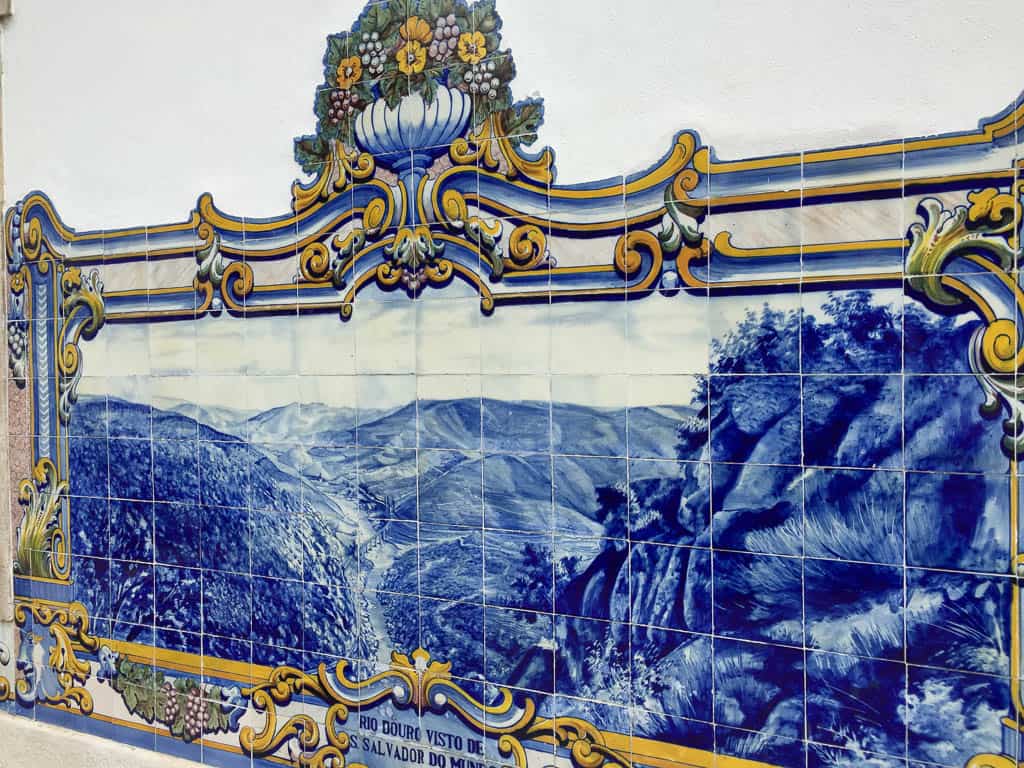
Before heading out onto the water or into the vines, stop inside Pinhão Railway Station. Built in the 19th century, the station’s exterior walls are lined with 24 individual azulejo tile panels crafted by Jorge Colaço in 1937. The blue-and-white scenes depict the full annual cycle of Douro winemaking—from grape picking and foot-treading in granite lagares to loading wooden barrels onto rabelo boats.
Take a Traditional Rabelo Boat Cruise
For centuries, flat-bottomed wooden rabelo boats with large square sails were the only way to transport wine down the treacherous river rapids to the aging lodges of Vila Nova de Gaia. Today, restored rabelo boats operate relaxing 1- and 2-hour scenic cruises departing directly from the Pinhão riverfront promenade.
Gliding along the waterline looking up at the towering, terraced hillsides provides the best vantage point for appreciating the valley’s sheer vertical scale.
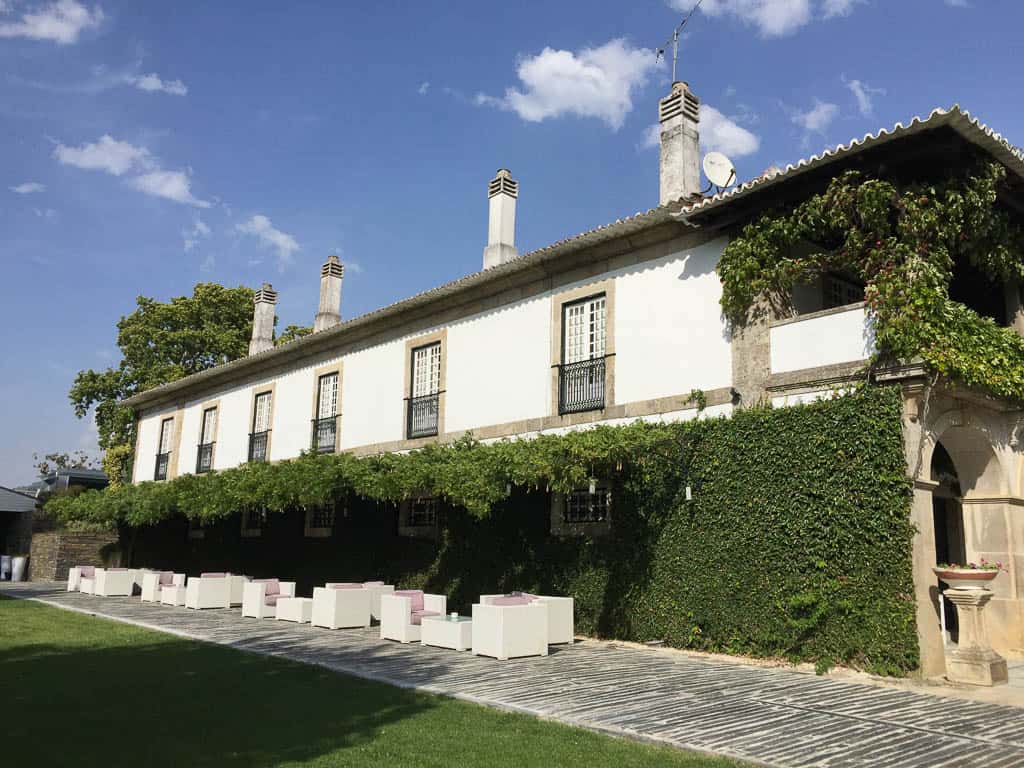
Visit Historic Quintas for Tastings & Cellar Tours
A quinta is a traditional Portuguese country estate or wine farm, often dating back centuries and complete with its own terraced vineyards, barrel aging cellars, and stone foot-treading lagares. Visiting one goes far beyond a casual tasting room, offering guided walks through the vines, historic cellar tours, and seated flights paired with local cheeses and panoramic terrace views.
Quinta Nova de Nossa Senhora do Carmo (Covas do Douro)
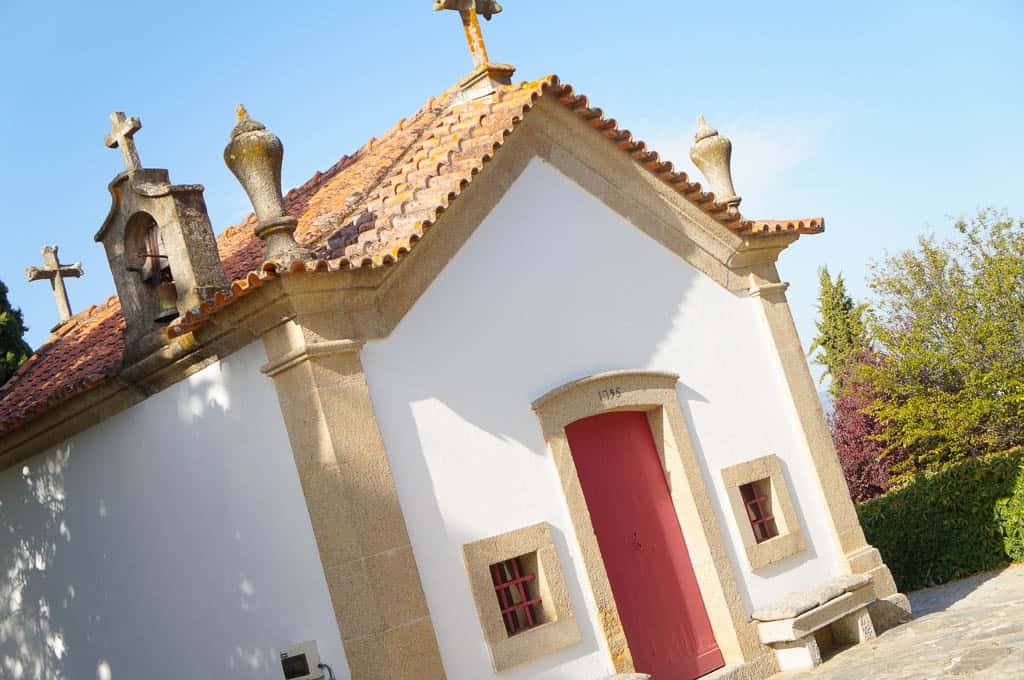
Quinta Nova is a premier 18th-century wine estate offering panoramic canyon views, an on-site wine museum, barrel cellars, and fine dining at Terraçu’s.
Perched high above the river gorge in Covas do Douro, Quinta Nova is our benchmark stay and tasting experience in the valley. Dating back to 1756, the property combines authentic heritage with modern winemaking precision. Touring their historic barrel cellar and original granite lagares gives you an inside look at how low-intervention Douro DOC table wines and aged Ports mature. Sitting on their shaded terrace with a glass of crisp Pomares white or a concentrated Mirabilis red looking out over thousands of terraced vines is the quintessential Douro experience.
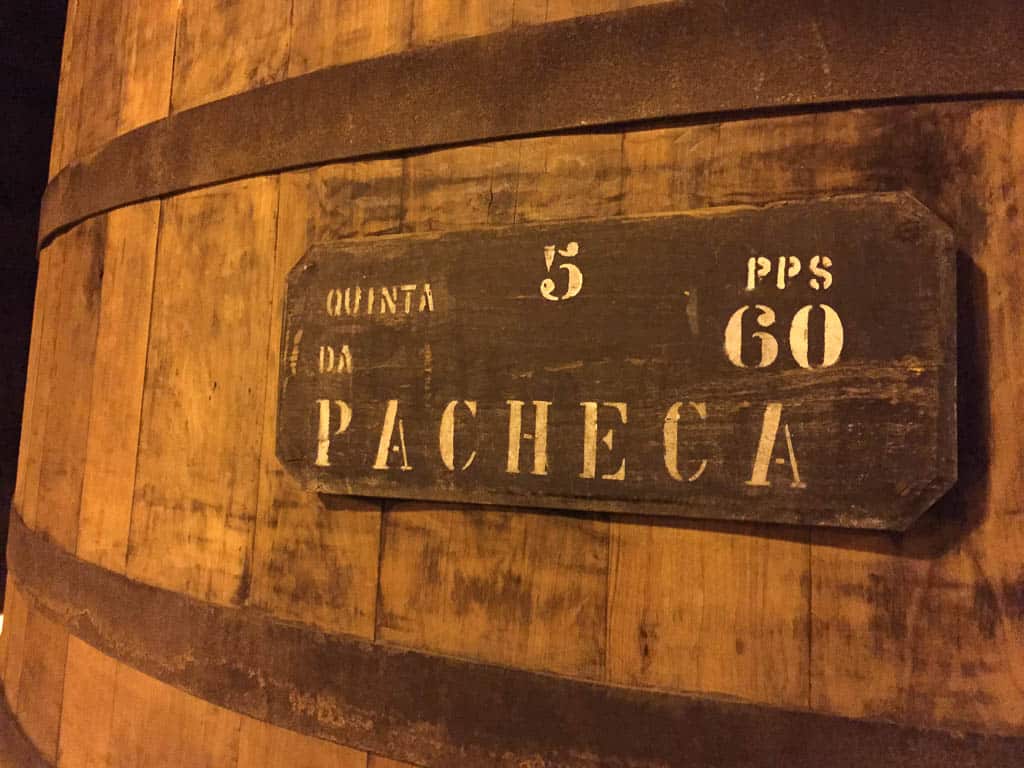
Quinta da Pacheca (Lamego / Peso da Régua)
Quinta da Pacheca is one of the Douro’s most iconic historic estates, celebrated for hands-on harvest foot-treading, barrel cellar tours, and giant wine barrel hotel suites.
Dating back to the 16th century, Quinta da Pacheca was one of the first properties to bottle wine under its own brand name. Located just across the river from Peso da Régua, visiting Pacheca is approachable, beautiful, and deeply rooted in Douro tradition. Walking through their expansive barrel room reveals giant wooden vats where port wines and elegant Douro reds age gracefully. If you visit during the autumn harvest season (vindima), Pacheca is famous for welcoming guests into their massive stone lagares to crush freshly picked grapes by foot. It is also well known for luxury accommodation, allowing travelers to sleep inside repurposed, luxury oak wine barrels set right in the middle of the vineyards.
Quinta do Bomfim (Pinhão)
Quinta do Bomfim is the flagship visitor estate of the Symington family, located an easy, flat walk from Pinhão train station along the riverfront.
For travelers arriving by train without a rental car, Bomfim is the most accessible high-end winery in the Douro. Home to legendary names like Dow’s and Graham’s, the estate offers self-guided walking tours through marked vineyard trails on the lower slopes. Their modern tasting room opens onto an elevated wooden terrace looking directly over the Douro River, where you can pair flights of Late Bottled Vintage and single-quinta Vintage Ports with local cheeses.
Quinta do Crasto (Gouvinhas)
Quinta do Crasto is an iconic family-owned estate famed for century-old field-blend reds and a dramatic cliffside infinity pool overlooking the river bends.
Sitting high on a steep ridge between Régua and Pinhão, Crasto produces some of the most celebrated dry table wines in Portugal, including their single-plot Vinha da Ponte and Vinha Maria Teresa. Advance bookings are mandatory for their intimate seated tastings. Beyond the exceptional cellar tour, the estate is visually famous for its striking white infinity pool designed by architect Eduardo Souto de Moura, which appears to drop off into the canyon abyss.

Where to Eat: Traditional Douro Dining
Traditional Regional Dishes of the Douro
Douro gastronomy is hearty and soul-warming, rooted in wood-roasted mountain meats, savory rice bakes, and rich olive oils designed to sustain rural vineyard workers. It has both traditional Portuguese dishes and contemporary interpretations.
After spending long days walking steep vineyard terraces, dining in the Douro is deeply satisfying. Two dishes define the valley’s culinary heritage:
- Anho Assado com Arroz de Forno: Milk-fed young kid goat (or lamb) marinated in garlic, white wine, and bay leaves, slow-roasted in a wood-fired clay oven. It is traditionally served over yellow rice cooked in the oven beneath the roasting meat to catch every drop of savory pan drippings.
- Vitela Maronesa: Prime cuts of tender beef from indigenous Maronesa cattle raised in the nearby Serra do Marão mountains, grilled simply with sea salt and dressed with estate olive oil.
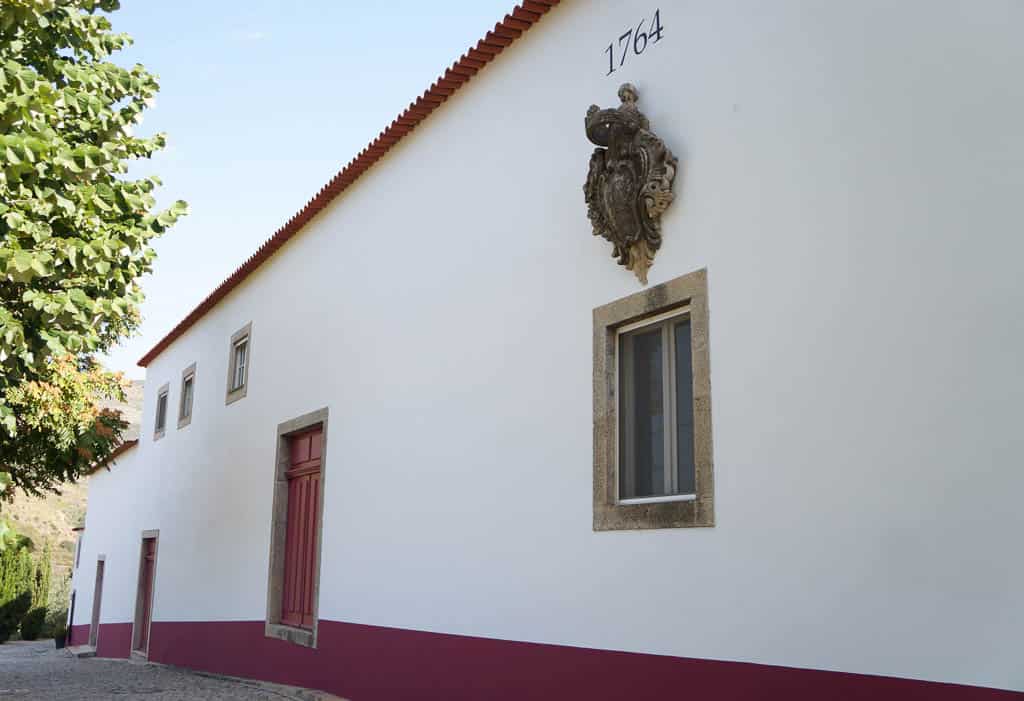
Terraçu’s Restaurant at Quinta Nova
Terraçu’s is a refined winery restaurant delivering contemporary Alentejo and Douro culinary techniques paired with estate vintages.
Located inside Quinta Nova de Nossa Senhora do Carmo, Terraçu’s offers some of the most scenic fine dining in Portugal. The kitchen works directly with seasonal ingredients harvested from regional farms, serving slow-braised meats, tender local pork, and delicate vegetable preparations on a stone terrace suspended high above the valley floor.
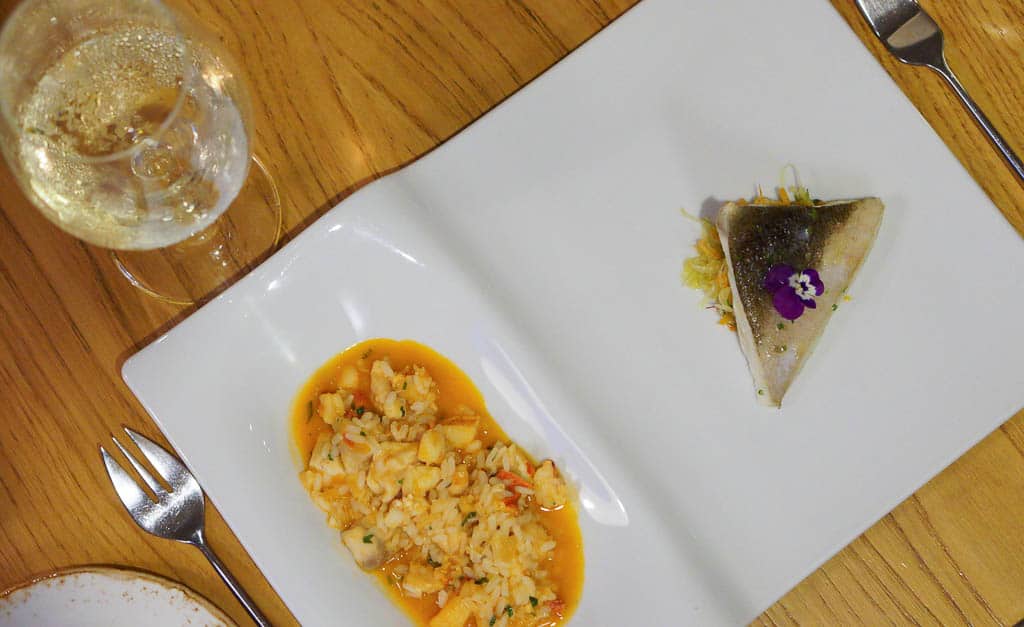
DOC by Chef Rui Paula (Folgosa)
DOC is a benchmark Michelin-caliber riverfront restaurant built on wooden piles extending directly out over the Douro River along the N222 road.
Run by celebrated Portuguese chef Rui Paula, DOC represents modern northern Portuguese dining at its finest. Diners can arrive by car along the N222 or dock directly via private boat. The tasting menus showcase avant-garde treatments of Atlantic seafood, Douro veal, and Portuguese cheeses, accompanied by one of the deepest wine lists in the country.
Douro Valley Quintas & Wine Hotels
- Our Top Pick (Historic Relais & Châteaux): Quinta Nova Winery House – Relais & Châteaux – An intimate, 19th-century manor house set among 120 hectares of vineyards with incredible panoramic valley views, a wine museum, and superb dining. This is where we stayed, and even made our own wine there!
- Riverside Vineyard Classic: Quinta de la Rosa – A working family-owned wine estate with rooms right on the edge of the river, walking distance to Pinhão.
- 👉 Browse all Douro Valley vineyard hotels on Booking.com
Frequently Asked Questions: Visiting the Douro Valley
Can you visit the Douro Valley as a day trip from Porto?
Yes, but it makes for a long, rushed day. By train or car, the journey takes 1.5 to 2.5 hours each way. While you can visit one winery and take a one-hour boat cruise, staying at least one or two nights at a vineyard quinta gives you access to the valley during the quiet morning and evening hours after tour groups leave.
Do you need to book Douro winery tours in advance?
Yes. Unlike casual tasting bars in major cities, estate wineries in the Douro Valley strictly control visitor numbers for seated tastings and cellar tours. During peak season (May through October), top quintas like Quinta Nova, Quinta do Crasto, and Quinta do Bomfim often book out weeks ahead.
What is the difference between Douro DOC wine and Port wine?
Both wines are made from the same indigenous grape varieties (such as Touriga Nacional, Touriga Franca, and Tinta Roriz) grown on the valley’s steep schist slopes. Port wine is fortified with neutral grape spirit (aguardente) during fermentation, stopping the yeast and preserving natural residual sugar to create a high-alcohol, sweet dessert wine. Douro DOC wines are unfortified table wines fermented dry, producing full-bodied reds and mineral-rich, crisp whites.
Which town is the best base in the Douro Valley: Régua or Pinhão?
Pinhão is the scenic heart of the Cima Corgo, surrounded by dramatic vineyard walls, historic quintas, and the rabelo boat docks. Peso da Régua is a larger commercial transport hub with more everyday services and the Douro Museum, but Pinhão offers far more charm, landscape beauty, and immediate winery access.
What is the best month to visit the Douro Valley?
September and October are the best months to visit due to the annual grape harvest (vindima). The valley is active with picking, cellars are fermenting, and the leaves shift to gold and red. But hotels and quintas can book up. Late spring (May to June) is also fantastic, offering warm weather, lush green vine canopies, and fewer crowds than mid-summer.