
Spanning nearly a third of southern Portugal between Lisbon and the Algarve, the Alentejo is the country’s agricultural and culinary heartland. Defined by golden plains, cork forests, ancient olive groves, and whitewashed hilltop villages, this vast rural countryside produces Portugal’s finest pork, rustic bread stews, artisan sheep cheeses, and full-bodied wines.
While most international visitors stick to the Lisbon-to-Porto rail corridor, the Alentejo requires a rental car and an appetite for slow exploration. Over 15 years of traveling through Portugal, we have continually returned here. We’ve road-tripped through quiet frontier villages, stayed several times at our favorite rural wine retreat (Torre de Palma Wine Hotel in Monforte) and tracked down roadside tascas and boutique village spots like Mercearia Gomes serving dishes unchanged for generations.
Whether you are pairing acorn-fed porco preto with clay-amphora talha reds or breaking into a warm game pie at a village tavern, here is our tested food and wine guide to the Alentejo.
*This post contains compensated links. Find more info in my DISCLAIMER. As an Amazon Associate, I earn from qualifying purchases.
Quick Facts: Dining & Wine in the Alentejo
| Detail | What to Know |
| Culinary King | Porco Preto (black Iberian pig fed on acorns in the cork oak forests) |
| Pantry Foundation | Olive oil, garlic, fresh coriander (coentros), day-old crusty bread, and massa de pimentão (sweet pepper paste) |
| Ancient Wine Heritage | Vinho de Talha (wines fermented in massive Roman-style clay amphorae dating back 2,000 years) |
| Dining Pace | Unhurried, two-hour country lunches; tascas run by multi-generational families |
| Getting Around | A rental car is essential; public transportation between rural villages and wine estates is extremely limited |
| Our Top Wine Stay | Torre de Palma Wine Hotel (Monforte) – luxury 5-star estate with vineyards, pools, and on-site dining |
Table of Contents
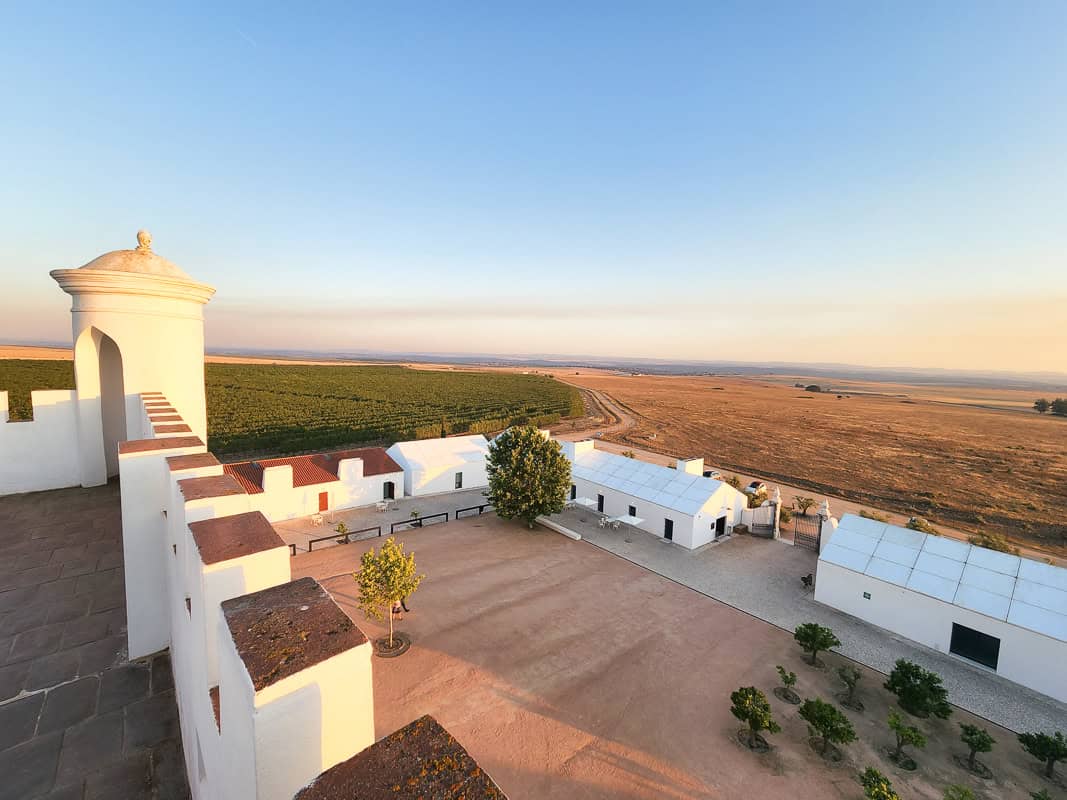
Why the Alentejo Belongs on Your Portugal Itinerary
Visiting the Alentejo is about unplugging from city crowds and sinking into a rustic, tavern-centered food culture that prioritizes slow living over packed tourist checklists.
While Lisbon buzzes with seafood halls and Porto charms with riverside Port wine cellars, the Alentejo provides an entirely different travel experience. Here, the appeal isn’t racing between crowded monuments or standing in museum queues.
It is about waking up on an estate vineyard, taking spontaneous detours down quiet roads to explore tiny towns, and planning your days around long, three-hour country lunches (our favorite!). Dining here feels unique, you are often eating family recipes cooked by the owners, drinking estate-grown wine, and sharing dining rooms with local farmers rather than tour groups. This is why Alentejo is the perfect addition to a Portugal itinerary.
Who This Region Is Perfect For:
- Anyone Craving Quiet: Couples, solo travelers, and food lovers seeking rural tranquility, boutique vineyard estates, and dark night skies far removed from city bustle.
- Culinary & Wine Enthusiasts: Food lovers who appreciate zero-kilometer dining, ancient Roman amphora wines, and heritage ingredients like acorn-fed black pig that aren’t watered down for tourists.
- Road-Trippers & Independent Explorers: Travelers who prefer the freedom of an open road, where driving between tiny frontier villages and hilltop castles is completely free of traffic.
How to Get to the Alentejo and Get Around
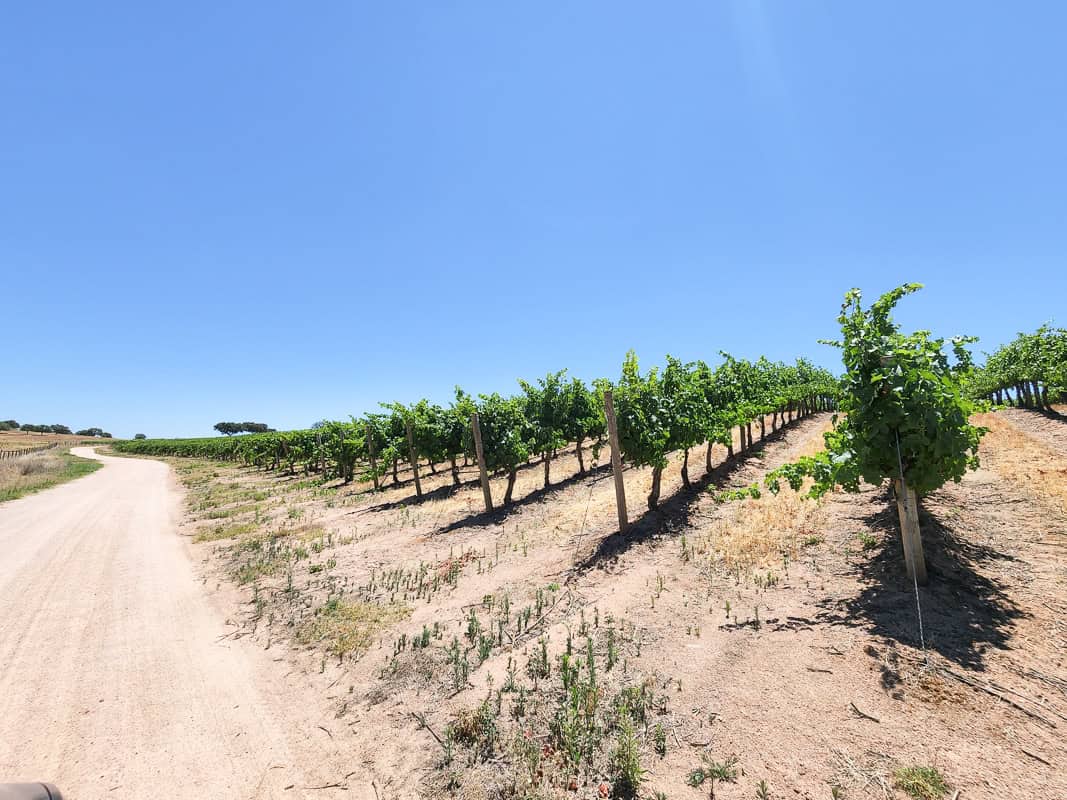
Renting a car is essential for exploring the Alentejo, as its top wineries, rural herdades, and traditional village tascas are scattered across open countryside without public transit.
Public buses and trains connect Lisbon to major regional hubs like Évora, but relying on public transit leaves you stranded once you arrive. The true magic of the Alentejo lies in the spaces between towns—driving down long dirt driveways to secluded vineyard estates, crossing rolling plains between medieval border fortresses, and seeking out hidden lunch spots in tiny farming villages.
- Driving From Lisbon: Pick up your rental car at Lisbon Airport or the city center and head east across the Vasco da Gama Bridge onto the A6 motorway. The drive into Alto Alentejo (around Estremoz, Évora, or Monforte) takes roughly 90 minutes to two hours along smooth, well-maintained highways.
- Navigating Rural Roads: Once off the main motorways, secondary regional roads are quiet, scenic, and paved, winding gently past cattle pastures and olive groves. Traffic is practically nonexistent, making it one of the most relaxed, low-stress driving regions in southern Europe. Keep an eye out for occasional farm machinery or sheep crossings, and use an offline navigation map since cell service can dip in remote valleys.
The Bread and Pork Philosophy of Alentejano Cooking
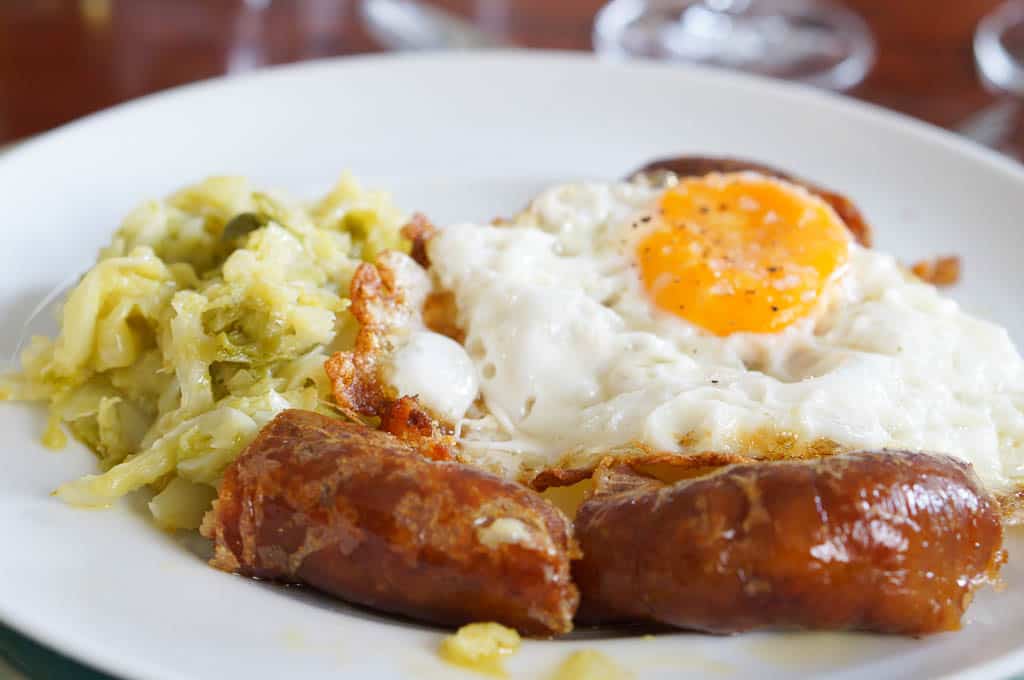
Alentejano cuisine was forged by centuries of rural thriftiness. Historically a dry, impoverished farming region, local cooks mastered the art of letting nothing go to waste—transforming stale crusty bread, wild herbs, and heritage pig butchery into pure culinary art.
The Three Cornerstones of the Portuguese Table
- Coriander Over Parsley: While northern Portugal cooks with parsley, the Alentejo is obsessed with fresh coriander (coentros), garlic, and pennyroyal (poejo).
- The No-Waste Bread Tradition: Bread is baked fresh daily in massive rustic loaves. When it goes stale after two days, it is never thrown out; instead, it forms the base of savory broths (açordas) or pan-fried savory mashes (migas).
- Porco Alentejano (Porco Preto): The native black Iberian pig roams freely through the oak groves (montados), feeding on sweet acorns (bolotas). Having lived in Spain and cooked with Iberian cuts for years, we consider this some of the finest meat on earth—intensely marbled, nutty, and tender.
What to Eat in the Alentejo: Essential Dishes
Food is one of the main reasons why we recommend Alentejo for any Portugal itinerary. There are roadside taverns with rustic dishes and menus of the day, and then more contemporary takes at some of the wine hotels and more boutique properties.
Carne de Porco à Alentejana (Pork Simmered with Clams)
Carne de Porco à Alentejana is the region’s iconic surf-and-turf dish, combining marinated pork cubes and sweet Atlantic clams simmered with garlic, white wine, and paprika paste.
Tender cubes of pork are marinated in dry white wine, garlic, and massa de pimentão (fermented sweet red pepper paste), then seared and simmered together with fresh clams until the shells pop open.
Traditionally cooked and served in a hinged copper cataplana pan, the savory pork fat melds with the briny ocean liquor from the clams to create an extraordinary sauce. Tossed with cubed fried potatoes and showered with fresh chopped coriander, it is the ultimate Alentejo plate.

Porco Preto com Migas de Espargos (Iberian Pork with Asparagus Bread Mash)
Porco preto com migas pairs tender grilled cuts of acorn-fed black pig with a traditional savory pan-fried bread mash seasoned with wild green asparagus.
This dish represents the soul of rural Alentejo cooking. Acorn-fed pork is seared over high heat, served pink and juicy alongside migas. We are always fans of high quality pork, and this is a different take on migas than what we’ve eaten in Spain over the years.
To make the migas, stale country bread is soaked in seasoned pork broth and pan-fried in olive oil and garlic with wild asparagus shoots until it forms a soft, golden, scoopable mass. The earthy bitterness of the wild asparagus perfectly balances the rich fat of the pork.

Secretos & Plumas de Porco Preto (Prized Grilled Cuts)
Secretos and plumas are specialty butcher cuts of acorn-fed Iberian pork celebrated for heavy intramuscular marbling that chars crisp over charcoal.
If you see secretos (“hidden” cut behind the shoulder) or plumas (“feathers”) on a menu, order them without hesitation. These are two of our favorite cuts of meat!
Because the acorn diet imparts such clean, nutty fat to the meat, these cuts require nothing more than coarse sea salt and glowing coals. At roadside country grills, a sizzling platter of charred pork arrives with the classic Portuguese “double carb” accompaniment: a mountain of hand-cut potato chips, white rice, and a crisp tomato salad.

Gaspacho Alentejano (Chilled Summer Bread & Tomato Soup)
Gaspacho Alentejano is a rustic cold soup made of hand-chopped ripe tomatoes, bell peppers, garlic, olive oil, and oregano steeped with rustic bread in ice-cold water.
Unlike Spanish gazpacho, which is smooth and pureed, the Alentejo version is a chunky, refreshing peasant soup created to hydrate field workers under the searing summer sun. Vegetables are hand-diced, seasoned with pungent local olive oil, white wine vinegar, and dried oregano, then served with ice cubes and torn pieces of crusty bread that soak up the vinaigrette broth.
Eric doesn’t like tomatoes, so he avoids gazpacho, but I love this dish when traveling through the Alentejo in the summer.

Empada de Perdiz / Pato (Game & Wild Partridge Pies)
An empada is an individual, flaky savory pastry encasing a rich, slow-cooked filling of wild game or shredded duck glazed in pan gravy.
Hunting is a major tradition across the Alentejo plains, where wild hare, boar, and partridge (perdiz) feature heavily on tavern menus. Savory pastries like empadas are baked with a tender, buttery crust, filled with shredded stewed meat, and served with reduced pan juices alongside a crisp watercress and citrus salad.
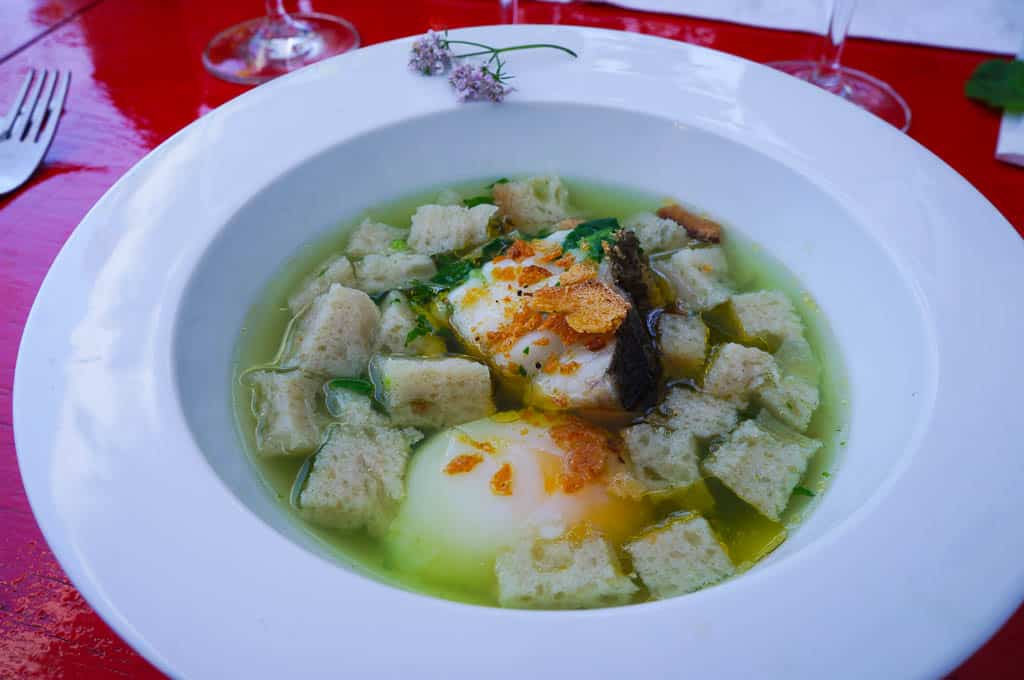
Açorda Alentejana (Fragrant Bread and Herb Broth with Poached Egg)
Açorda Alentejana is the region’s benchmark comfort food: a rustic broth of garlic, fresh coriander, and olive oil poured over stale country bread and crowned with a soft-poached egg.
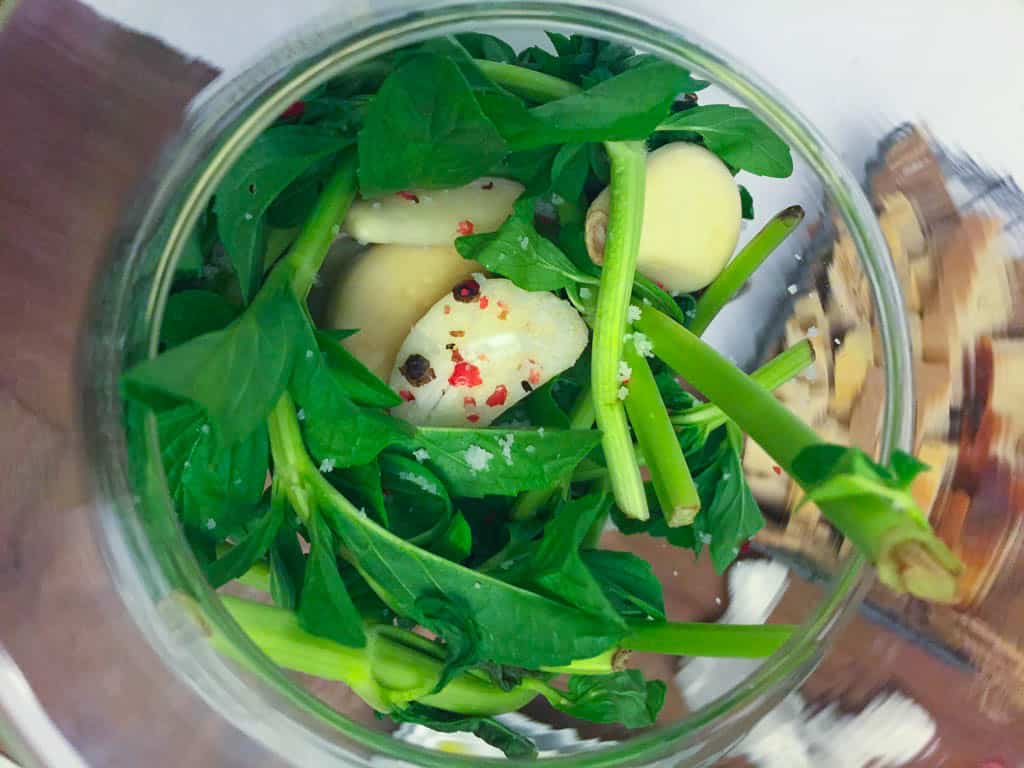
Where northern Portugal leans on potatoes, the Alentejo relies on rustic sourdough loaves to thicken its soups. To make traditional açorda, cloves of garlic, coarse sea salt, and generous bundles of fresh coriander (or wild pennyroyal / poejo) are pounded into a paste in a stone mortar.
Boiling water and robust estate olive oil are poured over the herbs, creating an aromatic green broth that is ladled over thick, day-old bread crusts. When served with a poached egg—or flakes of poached salt cod (bacalhau)—the runny yolk breaks into the broth, transforming humble peasant thrift into an extraordinary bowl of food.
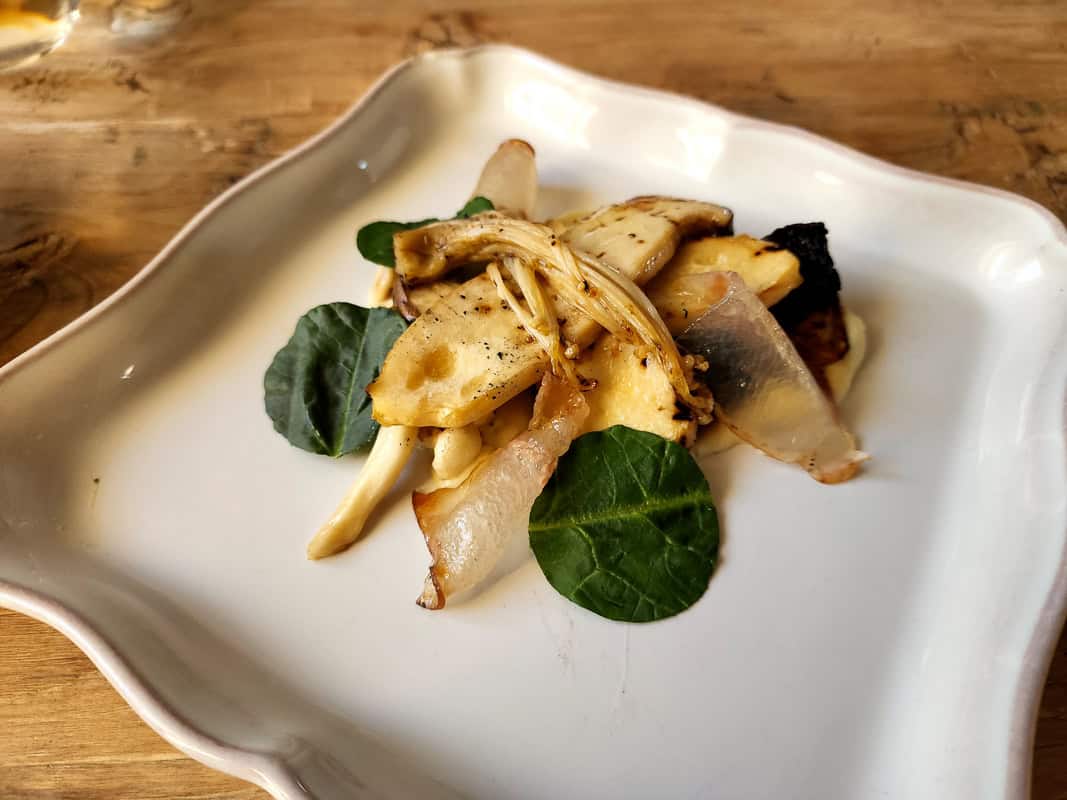
Cogumelos Silvestres com Toucinho (Wild Mushrooms with Cured Pork)
In the autumn and winter months, the cork oak forests yield an abundance of wild mushrooms. Sautéed simply in regional olive oil with slivers of cured Iberian pork fat (toucinho or lardo) and wild herbs, they make one of the most earthy, luxurious petiscos you can order.
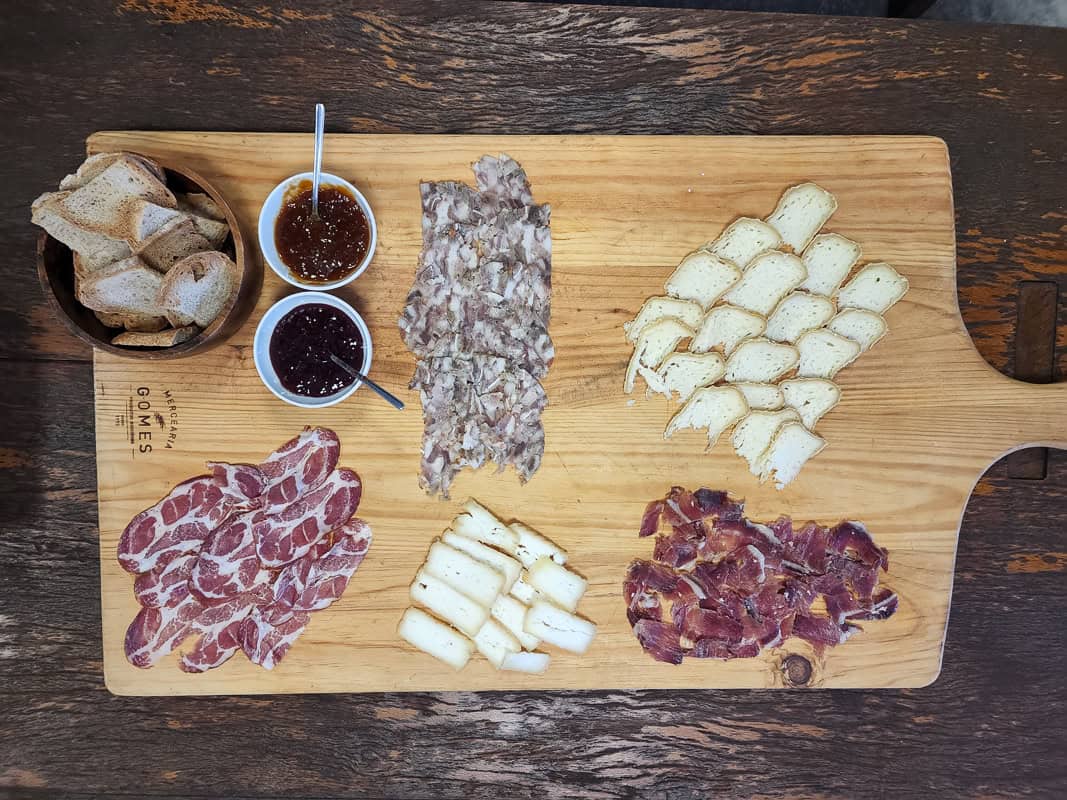
Regional Queijos & Presunto Board (At Mercearia Gomes)
A traditional Alentejo charcuterie board features cured Iberian ham, spiced salpicão, and raw sheep’s milk cheeses served with local fruit jams.
Before any sit-down country meal, servers will bring out a wooden board loaded with regional specialties. Look for thin slices of cured presunto de porco preto, peppered cured loins, and semi-cured raw sheep or goat cheeses (Queijo de Nisa, Évora, or Serpa), accompanied by crusty country bread and sweet pumpkin or fig preserves.
Alentejo Wine Country & The Ancient Art of Talha
The Alentejo is one of Europe’s most dynamic wine regions. Its warm, sunny climate produces rich, concentrated reds (blends of Aragonez/Tempranillo, Trincadeira, and Alicante Bouschet) and crisp, aromatic whites (Antão Vaz and Arinto). This history of the region reminds me of the Emporda, along the Costa Brava, where we used to live in Spain.
The Roman Tradition of Vinho de Talha
What makes the Alentejo truly unique in the global wine world is Vinho de Talha. Introduced by the Romans more than 2,000 years ago, this winemaking tradition never died out here.
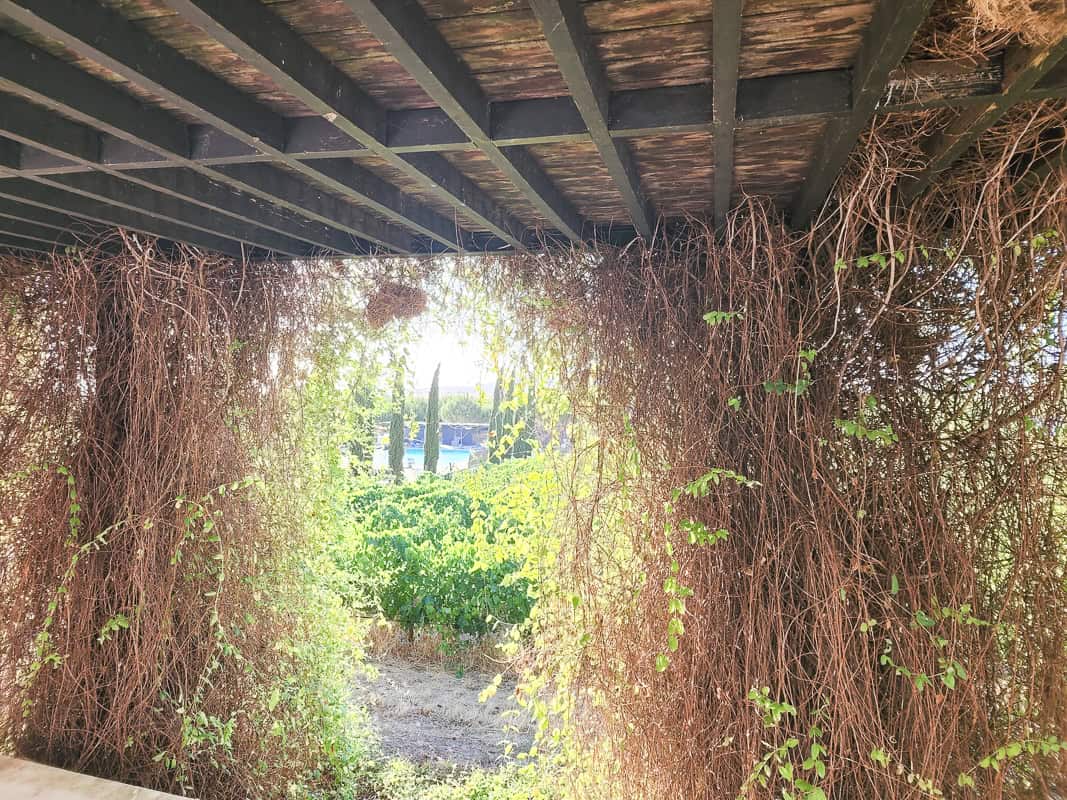
Grapes are crushed and fermented directly inside massive, porous clay amphorae pots (talhas) that stand taller than a person, sealed with olive oil and resin. The porous clay allows gentle micro-oxygenation, producing wines with earthy, savory complexities and incredible freshness. We’ve seen wines aged in an amphora across both Spain and Italy, and to see this heritage again in the Alentejo wineries was amazing.
Best Alentejo Wineries to Visit for Tastings & Tours
Adega Mayor (Campo Maior)
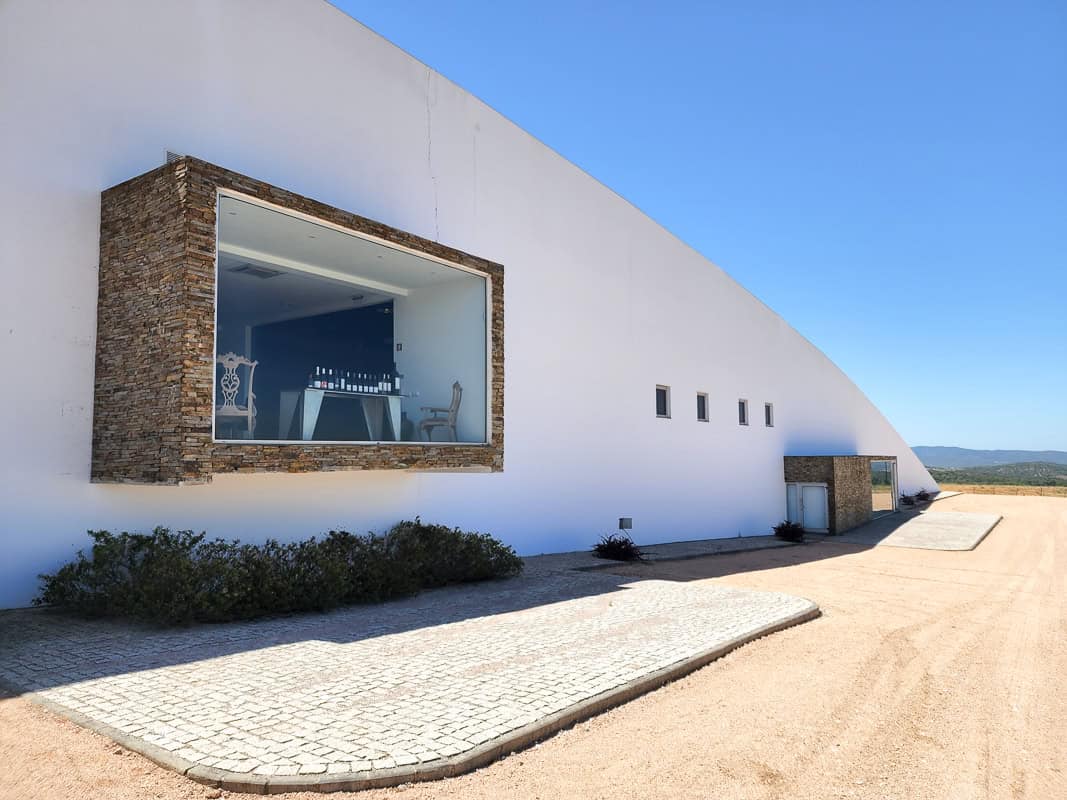
Adega Mayor is a landmark architectural winery designed by Pritzker Prize-winner Álvaro Siza Vieira, set against the plains near the Spanish border.
Rising out of the olive groves and vineyards like a sleek, minimalist sculpture, Adega Mayor offers one of the most visually arresting wine experiences in Portugal. Walking through the barrel halls and taking a guided tasting on the elevated, slate-framed panoramic terrace gives you sweeping views across the plains into Spain. It is a must-visit for travelers who appreciate bold contemporary architecture paired with crisp Verdelho whites and structured Reserva reds.
Howard’s Folly (Estremoz)
Howard’s Folly is a vibrant urban winery and art gallery in historic Estremoz, producing low-intervention wines from high-altitude old vines.
Located just a short drive from Monforte, this innovative project combines winemaking, contemporary art exhibitions, and an on-site restaurant. While the historic castle of Estremoz rises above the surrounding vineyards, this modern tasting room allows you to sample fresh, mineral whites and field-blend reds fermented in modern vats alongside artisan cheese and charcuterie boards.
Torre de Palma Wine Estate (Monforte)
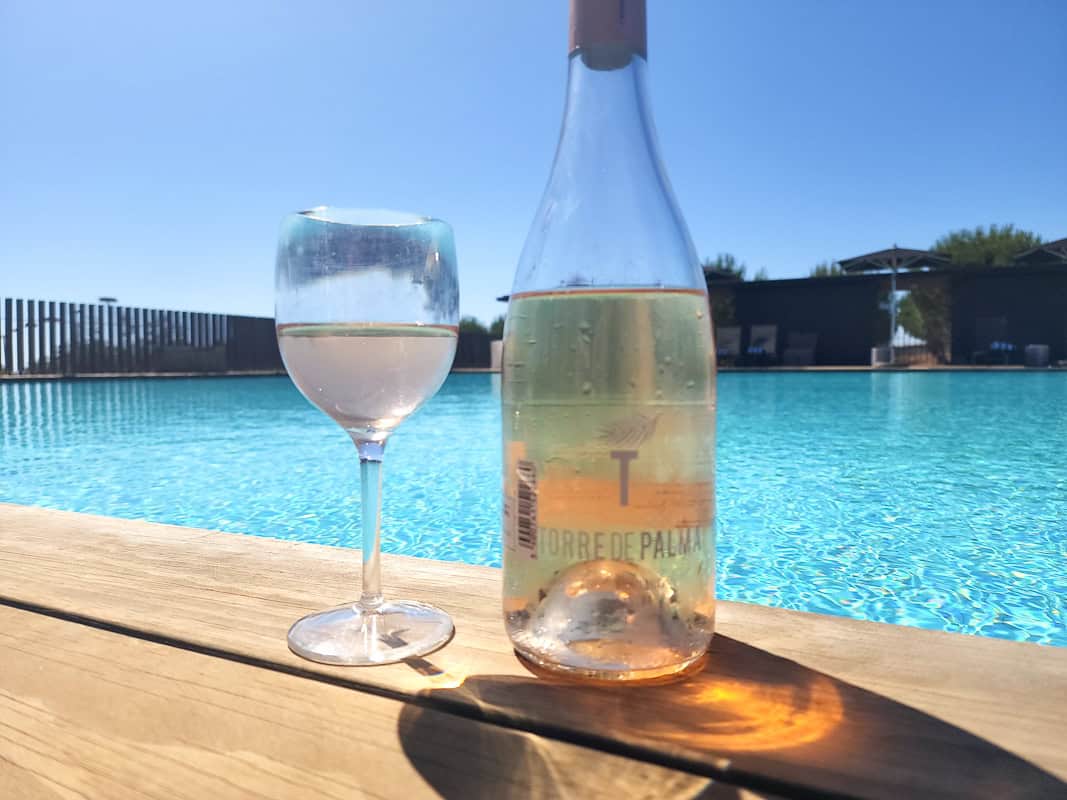
Torre de Palma combines ancient Roman winemaking heritage with modern cellar techniques right on the grounds of the historic wine hotel.
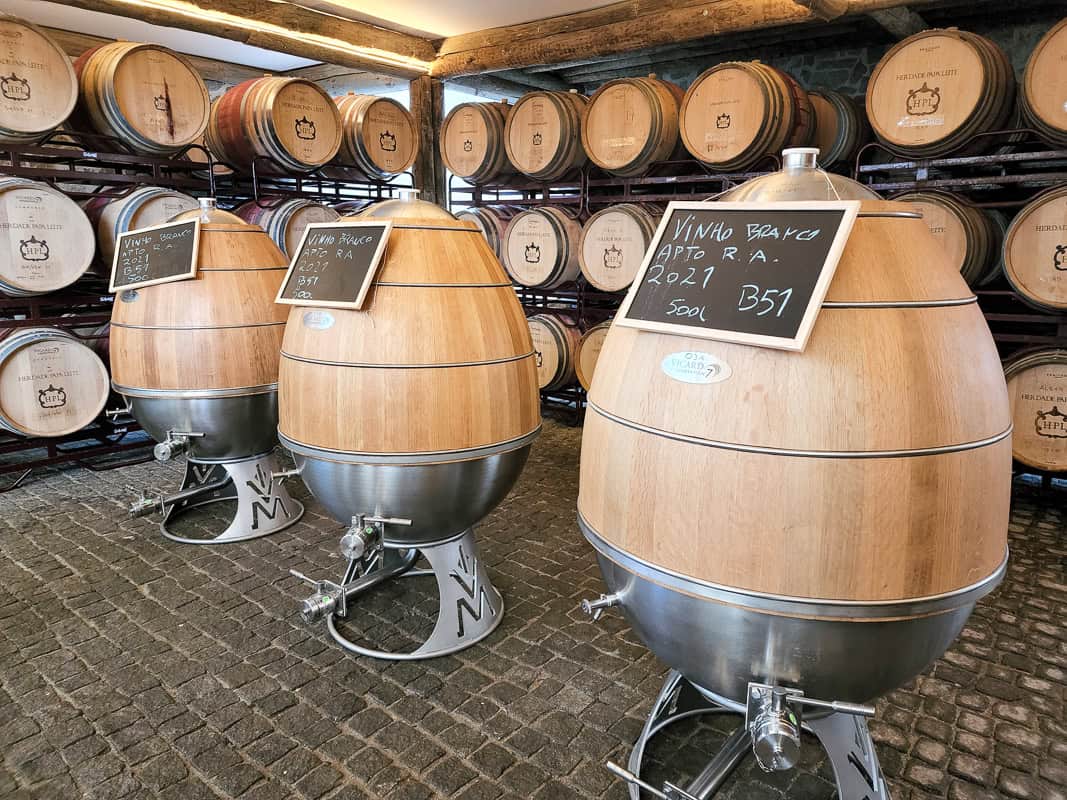
You don’t have to leave your accommodations to experience exceptional Alentejano winemaking. Touring the on-site barrel cellar reveals their commitment to revivalist viticulture—from clay amphora fermentations to large standing oak eggs used for aging their signature whites. Tastings can be enjoyed in the barrel room, on the central patio, or up on the battlements of the 14th-century tower at sunset.
Where to Eat in Alentejo
A Boutique Discovery at Mercearia Gomes
During one of our stays at Torre de Palma, we took a short countryside drive through quiet back roads to have lunch at an adorable boutique restaurant and gourmet shop: Mercearia Gomes – Casa de Pasto.
Tucked into a small village, Mercearia Gomes captures everything we love about modern Alentejo dining. It takes the rustic, soul-satisfying flavors of the countryside and presents them with refined care.
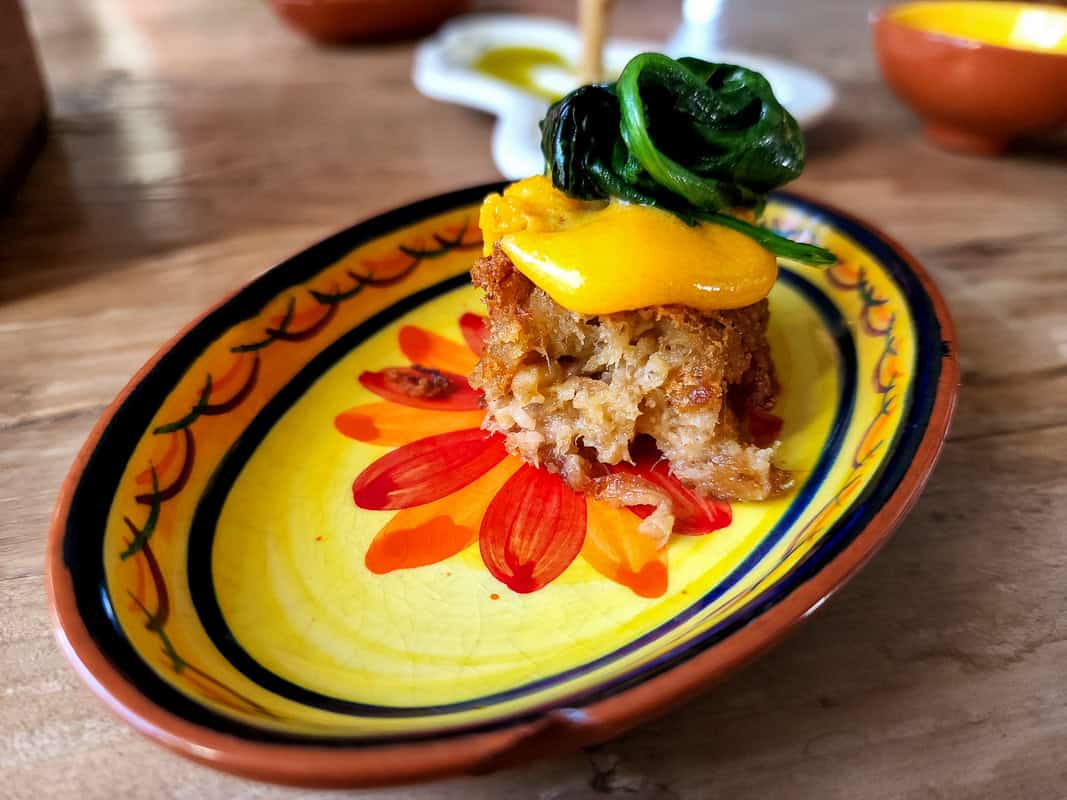
We sat at rustic wooden tables and ordered their branded wooden board laden with cured Iberian meats and local cheeses, followed by elevated cod petiscos on colorful artisan pottery, sautéed forest mushrooms draped with melt-in-your-mouth cured Iberian fat, and a warm partridge pie with citrus salad, accompanied by carafes of local regional wine. It was one of the most memorable meals of our trip.
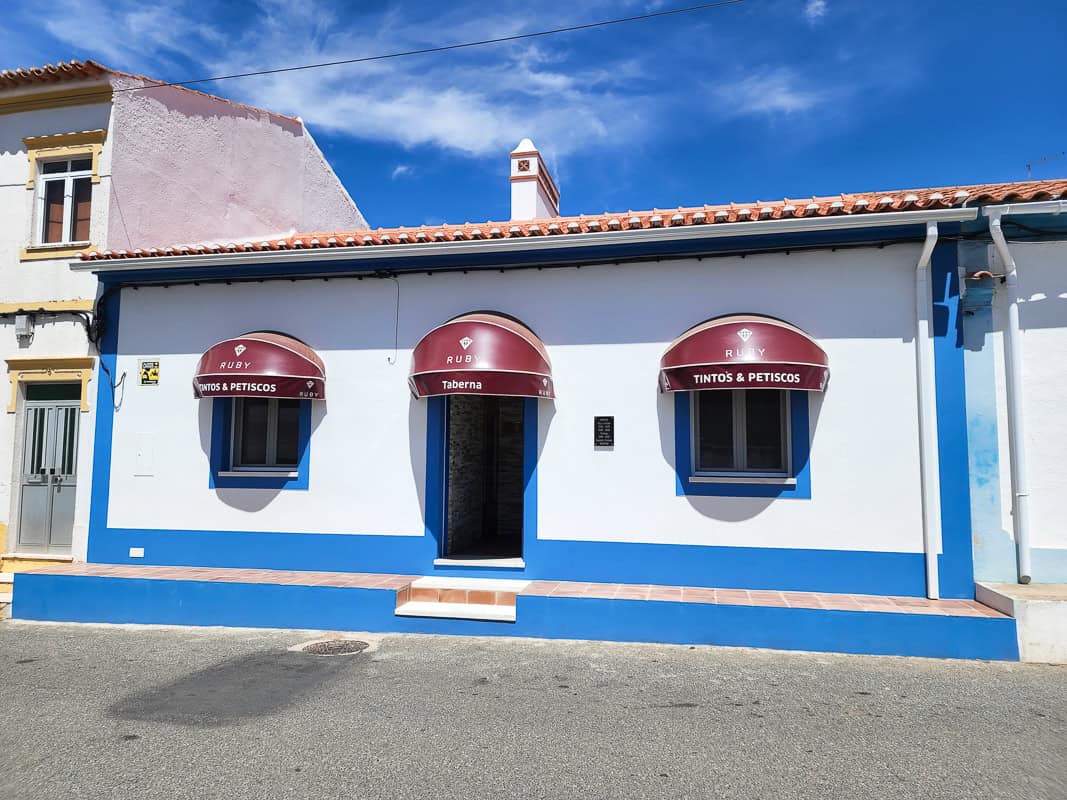
A Village Discovery: Ruby Taberna in Fronteira
Ruby Taberna is an intimate village wine bar and tasca in Fronteira, serving elevated regional petiscos and curated Alentejano reds behind a classic blue-and-white facade.
During one of our stays at Torre de Palma, we took a short 10-minute countryside drive north to the quiet village of Fronteira for lunch at Ruby Taberna – Tintos & Petiscos. Housed in a charming whitewashed building with burgundy awnings, it represents the modern evolution of traditional Alentejano cooking—honoring rural peasant roots while presenting dishes with refined care.
We almost missed the lunch, cutting is super close to their closing time, after an epic wine tasting. Thank goodness we made it, and we speed ate, unfortuntely. Everything was so amazing and we couldn’t wait to return.
We sampled seasonal small plates: wild forest mushrooms sautéed in olive oil and draped with melt-in-your-mouth slivers of cured pork fat (toucinho), an artisan cod petisco on hand-painted pottery, and a flaky game pie (empada) bathed in rich pan gravy and balanced by a peppery citrus salad. Paired with carafes of local Alentejo red, it was a standout meal of our road trip.

Where to Stay: Torre de Palma Wine Hotel
When exploring the Alentejo, choosing the right base is everything. While staying inside the historic walls of Évora (such as the historic Pousada Convento de Évora) is great for sightseeing Roman ruins, our favorite way to experience the Alentejo is checking into a rural wine estate retreat.
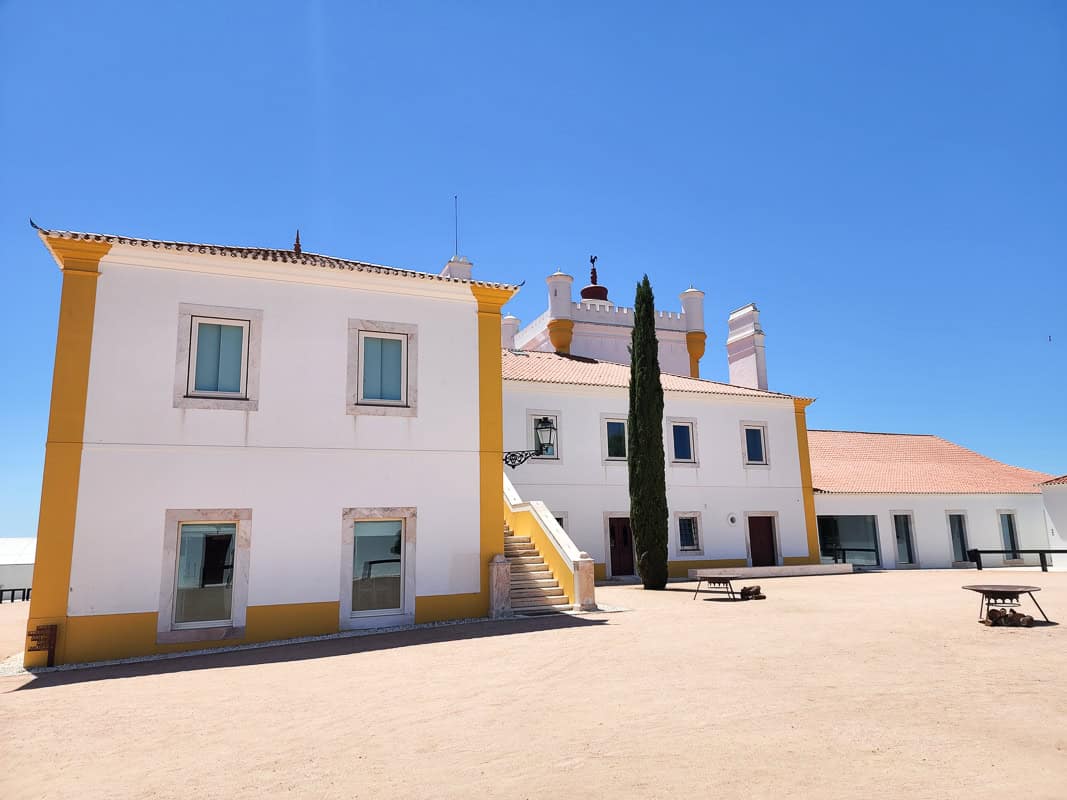
We have stayed several times at Torre de Palma Wine Hotel in Monforte, and it remains one of our favorite hotel properties in all of Portugal:
- The Setting: Set on a historic estate with roots dating back to a Roman villa in 1338, the hotel is surrounded by working vineyards, olive trees, and pastures.
- The Experience: You can spend the afternoon lounging by the outdoor pool overlooking the vines, take walks through the olive groves, climb the historic whitewashed tower for sunset views, and book a tour of their working winery.
- On-Site Dining: Their restaurant (Basilii) serves phenomenal Alentejano cuisine, meaning you don’t have to drive anywhere at night after a wine-paired dinner.
- See our full Torre de Palma Wine Hotel Review, or book here.
Alentejo Stays & Wine Retreats
Our Top Pick (Luxury Wine Retreat): Torre de Palma Wine Hotel – A 5-star Design Hotel set on a working Roman-heritage wine estate in Monforte, featuring an outdoor pool, exceptional dining, and estate tastings. We’ve stayed here twice and it’s our favorite!
Historic City Center Base: Pousada Convento de Évora – A dramatically restored 15th-century convent right between Évora’s Roman Temple and Cathedral.
👉 Browse all Alentejo rural hotels and herdades on Booking.com
Frequently Asked Questions: Eating & Traveling in the Alentejo
Do I need a rental car to visit the Alentejo?
Yes. The Alentejo covers roughly 30% of Portugal’s landmass, and its best wineries, herdades, and village tascas are scattered across wide-open countryside. While you can take a bus or train directly from Lisbon to Évora, exploring the surrounding wine regions, marble towns, and rural hotels like Torre de Palma is impossible without your own car.
What is the best time of year to visit the Alentejo for food and wine?
Spring (April to June) and autumn (September to October) are ideal. Spring brings blooming wildflowers, wild green asparagus, and mild temperatures. Autumn is grape harvest season (vindima), when the vineyards turn golden and local wineries are buzzing with harvest activity. Mid-summer (July and August) can be scorchingly hot, with inland temperatures often exceeding 38°C (100°F).
What makes porco preto so special?
Porco Preto (black Iberian pig) is a heritage breed native to the Iberian Peninsula. In the Alentejo, these pigs roam freely across the oak forest plains (montado), feasting exclusively on sweet acorns (bolotas) during the autumn and winter fattening season (montanheira). The oleic acid from the acorns infuses their fat with a distinctive nutty aroma and creates rich intramuscular marbling that melts at room temperature.
What is Vinho de Talha?
Vinho de Talha is a 2,000-year-old Roman winemaking method still practiced across the Alentejo. Instead of fermenting wine in stainless steel or small oak barriques, destemmed grapes, skins, and stems are placed into giant unglazed clay amphora pots (talhas). The wine ferments on its skins without temperature control, developing deep minerality, savory complexity, and fresh acidity.
What is the difference between Açorda and Migas?
Both are traditional Alentejano dishes created to repurpose day-old rustic bread, but their textures are distinct. Açorda is a savory soup or broth made by pouring boiling water infused with garlic, olive oil, and coriander over torn slices of bread, often topped with a poached egg or shrimp. Migas is thicker: bread crumbs are soaked in broth and pan-fried in olive oil and pork lard until they form a dense, golden, pan-seared mash served as a side to grilled pork.