
This 10-day Portugal itinerary is designed specifically for culinary travelers. It begins with three days in Lisbon, eating at historic seafood temples like Cervejaria Ramiro and browsing Time Out Market, before picking up a rental car to explore the cork-oak plains and world-class wine estates of the Alentejo. From there, you head north along winding scenic routes into the steep terraced vineyards of the Douro Valley for estate wine tastings and a traditional river boat cruise, before dropping the car in Porto to spend your final days eating francesinhas, touring historic port wine lodges, and wandering traditional northern neighborhoods.
Portugal is one of the most rewarding culinary road-trip destinations in Europe. Over the last 15 years, we’ve explored the country by rail, foot, and rental car—discovering that the secret to experiencing the best of Portuguese food and wine is balancing its electric, historic cities with its slow-paced, sun-baked countryside.
Whether you’re flying open-jaw (into Lisbon and out of Porto) or taking the fast intercity train back to Lisbon for a round-trip flight home, here is our tested, day-by-day food and wine road trip through Portugal.
*This post contains compensated links. Find more info in my DISCLAIMER. As an Amazon Associate, I earn from qualifying purchases.
Quick Facts: 10-Day Portugal Food & Wine Road Trip
| Detail | What to Know |
| The Route | Lisbon (3 Nights) → Alentejo Wine Country (2 Nights) → Douro Valley (2 Nights) → Porto (3 Nights) |
| Transportation Strategy | No car needed in Lisbon or Porto; rent a car when leaving Lisbon (Day 4) and return it upon arrival in Porto (Day 8) |
| Flights & Logistics | Major US and European airlines fly direct to both Lisbon (LIS) and Porto (OPO); the Alfa Pendular train links Porto to Lisbon in 2 hours 50 minutes |
| Signature Wine Regions | Alentejo (bold reds, talha amphora wines), Douro Valley (DOC reds, whites & Port), and Vinho Verde |
| Must-Have Food Experiences | Sizzling shellfish & prego at Ramiro, acorn-fed Iberian pork in Alentejo, spit-roasted suckling pig (leitão), and Francesinhas in Porto |
| Best Months to Travel | May to June or September to October (grape harvest season in the Douro runs September–October) |
Table of Contents

Why Portugal Belongs at the Top of Your Culinary Bucket List
Having spent years living just across the border in Spain, we are often asked how Portuguese food culture compares to its Iberian neighbor. While both countries share a deep reverence for fresh seafood, olive oil, and cured pork, dining in Portugal has a distinctly soulful, unhurried character all its own.
Portuguese cuisine is defined by ocean-forward simplicity and incredible regional variety—from steaming copper cataplanas of clams and pork in the south to hearty, wood-roasted meats, rich bean stews, and native cod traditions in the north.
Where Spain revolves around hopping from bar to bar for small-plate tapas and pinchos, meals in Portugal are rooted in sit-down conviviality, whether that means pulling up a chair at a paper-topped neighborhood tasca for a rustic prato do dia or lingering over multi-course vineyard lunches.
You can expect generous portions, warm hospitality, and phenomenal value, paired with a remarkably diverse wine landscape spanning crisp Vinho Verdes, ancient clay-amphora reds, and world-class fortified Ports. It is an authentic, deeply comforting food culture that rewards travelers who slow down and eat where the locals eat.
This is what Portugal is one of our favorite food destinations, and should be on the top of your list too!
Traveling to Portugal? Check out our comprehensive Portuguese Food Guide, with a list of the 28 traditional Portuguese dishes you must try!

Days 1–3: Lisbon (Historic Tascas, Seafood & Custard Tarts)
Lisbon is the ideal starting point for a Portuguese food and wine journey. As the country’s vibrant capital, it offers the perfect introduction to regional classics—from morning Portuguese custard tarts blistered fresh from the oven to bustling seafood halls piled high with giant scarlet prawns and garlic clams. Spending your first three days here lets you shake off any jet lag, get your bearings, and taste your way through centuries-old neighborhood tascas before heading into the countryside.
A quick logistics tip for your stay: Hold off on picking up a rental car until you depart Lisbon. The city is built across seven steep hills with narrow cobblestone alleys and virtually no parking; you’ll get around much easier using the metro, historic trams, and inexpensive local rideshares.

Day 1: Downtown Baixa, Chiado & Time Out Market
- Morning: Arrive in Lisbon, check into your central hotel or serviced apartment, and begin orienting yourself along the flat pedestrian grid of Baixa. Walk down to Praça do Comércio on the Tagus riverfront, then stroll north through the Rua Augusta Arch. Grab your first warm custard tart and espresso at Manteigaria in Chiado.
- Afternoon: Head down to Time Out Market (Mercado da Ribeira) in Cais do Sodré. It is bustling, loud, and energetic—the ideal first lunch spot where you can graze on small plates from celebrated Portuguese chefs, charcuterie boards of cured presunto, and a glass of crisp Vinho Verde under one roof. Or, tuck into a suckling pig sandwich!
- Evening: Wander the hilly streets of Bairro Alto and Príncipe Real, stopping at an open-air park quiosque (kiosk) for a cold draft beer (imperial) before a casual dinner at a neighborhood tasca.

Day 2: Alfama Views & Cervejaria Ramiro
- Morning: Explore Lisbon’s oldest quarter, Alfama. Climb up to Castelo de São Jorge for panoramic 360-degree views over the terracotta roofs, then make your way down past the miradouros of Portas do Sol and Santa Luzia.
- Afternoon: Stop for a midday sandwich. Grab an authentic garlicky pork bifana at As Bifanas do Afonso or O Trevo. Afterward, stroll through Rossio and stop at A Ginjinha for a €1.50 shot of traditional sour cherry liqueur served in a small glass. It’s one of the most unique Portuguese drinks!
- Evening: Tonight is your seafood feast at Cervejaria Ramiro. Make a reservation in advance online (or arrive right when they open at noon/early evening to beat the rush). Order the sizzling garlic shrimp (gambas al ajillo), clams in white wine (amêijoas à Bulhão Pato), a giant grilled tiger prawn, and finish the meal the local way: with a garlicky steak sandwich (prego) and a tart lemon vodka granita for dessert.

Day 3: Historic Belém & Sunset Miradouros
- Morning: Take Tram 15 or a quick Bolt ride out to the riverside district of Belém. Tour the UNESCO-listed Jerónimos Monastery and the defensive Torre de Belém.
- Afternoon: Walk over to Pastéis de Belém, the historic bakery operating since 1837. Grab a seat in their cavernous, blue-tiled dining rooms to taste their trademarked tarts fresh from the oven, dusted with cinnamon and paired with a glass of Port. Head back downtown to explore the boutiques of Chiado.
- Evening: Reserve a table in Mouraria or Alfama for an evening of authentic fado accompanied by petiscos and Douro red wine.
Lisbon Hotels & Stays
- Serviced Apartment (Best for Kitchen & Space): Lisbon Serviced Apartments – Baixa Castelo – Quiet, keycode-entry modern apartments in downtown Baixa.
- Boutique Luxury: Bairro Alto Hotel – A 5-star landmark on Praça Luís de Camões with an exceptional rooftop bar overlooking the Tagus River.
- Riverside & Food Market Base: Corpo Santo Lisbon Historical Hotel – Outstanding hospitality, steps from Time Out Market and Cais do Sodré.
- 👉 Browse all Lisbon hotels on Booking.com
Days 4–5: The Alentejo (Acorn-Fed Pork, Talha Wines & Country Estate Retreat)
Often called the gastronomic breadbasket of Portugal, the Alentejo is the country’s rural heartland—a vast, sun-baked landscape of rolling plains, centuries-old cork-oak forests, and whitewashed medieval hilltop villages. Trading Lisbon’s steep cobblestone alleys for the Alentejo marks a dramatic shift in pace. Life here moves slowly, centered around traditional agricultural rhythms, deeply rooted wine culture, and a distinct regional cuisine that elevates rustic peasant cooking into some of the most memorable dining in Iberia.
Culinary travelers come to the Alentejo for its world-renowned acorn-fed black pig (porco preto), garlicky bread purées (açordas and migas), and rich sheep’s milk cheeses. It is also one of the world’s most exciting wine regions, celebrated for sun-ripened, velvety reds and a 2,000-year-old Roman tradition of fermenting wines in massive clay amphora pots (vinho de talha).
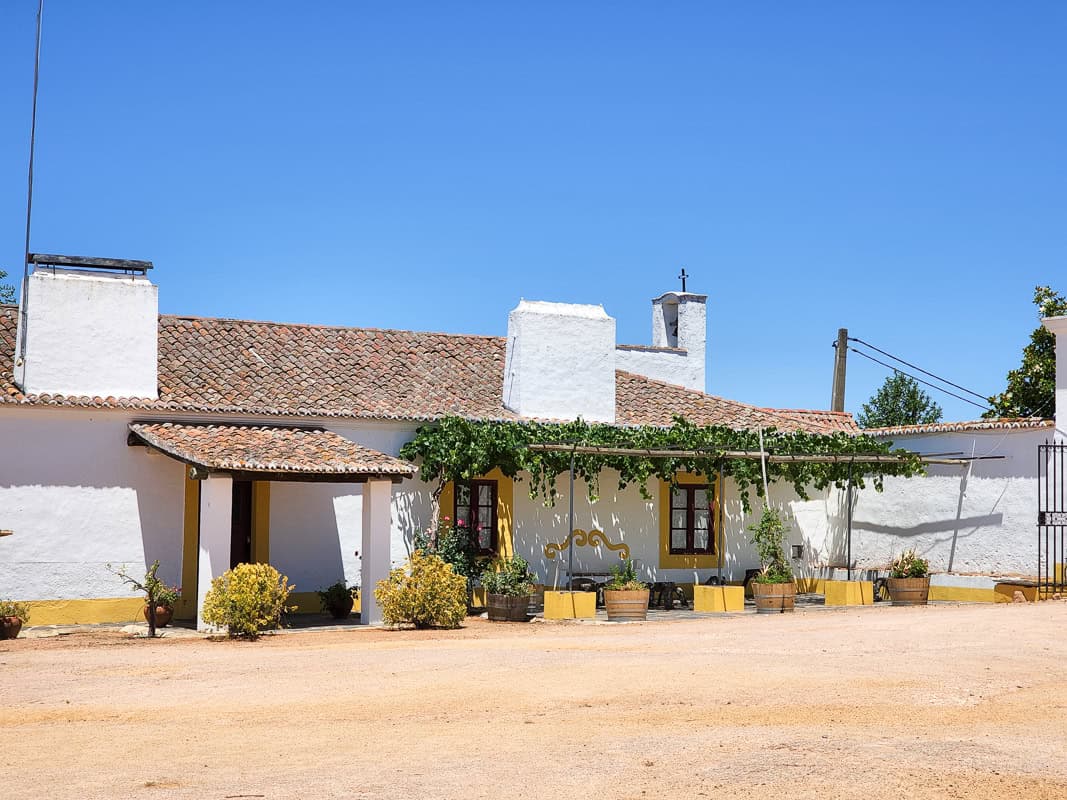
Basing yourself at a rural vineyard estate here offers an idyllic counterpoint to the cities, allowing you to unplug, stroll through olive groves, and linger over candlelit dinners paired with estate-grown wines under endless starry skies. We’ve traveled through Alentejo a few times and it offers a big contrast with the big city, particularly for people who love wine!
On the morning of Day 4, pick up your rental car from central Lisbon or the airport, cross the dramatic Vasco da Gama Bridge, and head southeast into the wide-open plains of the Alentejo. We’ve picked up rental cars a few times in the Lisbon city center, meaning you don’t need to go the airport!
See our complete food and wine guide to the Alentejo.

Day 4: Roman Ruins in Évora & Roadside Porco Preto
- Morning: Drive approximately 90 minutes to Évora, the historic capital of the Alentejo. Wander the UNESCO-preserved historic center, visiting the Roman Temple of Diana and the eerie Chapel of Bones (Capela dos Ossos).
- Lunch: Settle into a traditional Évora tasca (such as Taberna Típica Quarta-Feira or Botequim da Mouraria) for authentic Alentejano cooking. Order sliced acorn-fed Iberian pork (porco preto), migas (savory garlic-and-bread mash), and a rich bowl of carne de porco à Alentejana (pork simmered with sweet clams in a copper cataplana).
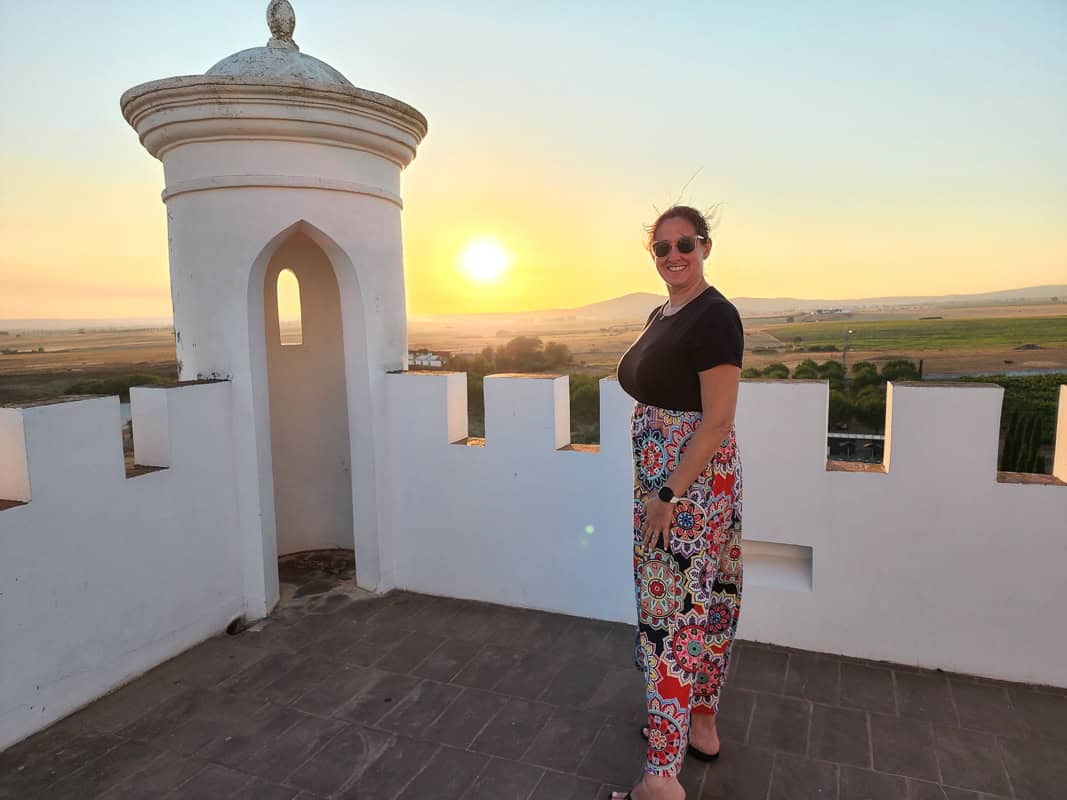
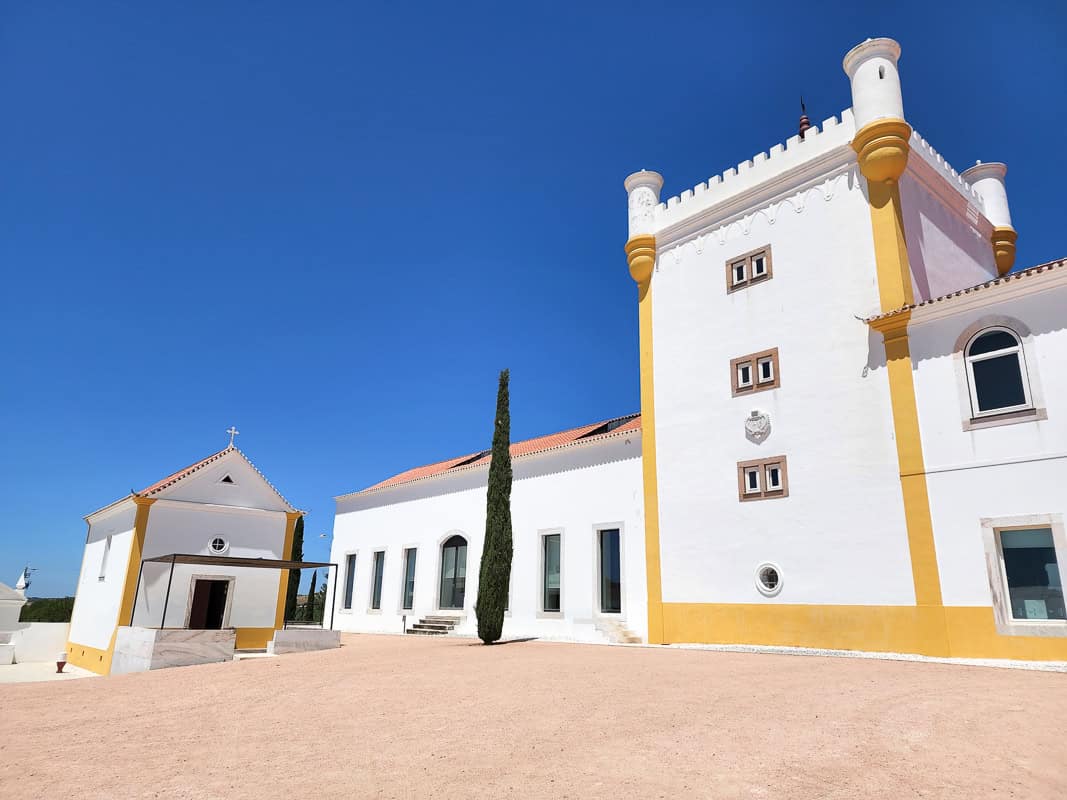
- Afternoon: Drive deeper into the countryside to check into your rural wine hotel. If you want a complete luxury retreat, base yourself at Torre de Palma Wine Hotel in Monforte. Set among working vineyards with an indoor and outdoor pool, stunning white-washed architecture, and a historic tower, it is the ultimate country escape. Check out our full review of Torre de Palma.
- Evening: Enjoy a private wine tasting of the estate’s own labels, followed by dinner at the hotel’s on-site restaurant, pairing regional game and heritage pork with full-bodied Alentejano reds.
Day 5: Talha Amphora Wineries & Marble Towns
- Morning: Spend a relaxing morning by the pool or taking a walk through the estate’s vineyards. Afterward, drive out to visit local family-run wineries in the region, particularly producers continuing the Roman tradition of fermenting wine in massive clay amphora pots (vinho de talha).
- Afternoon: Explore the nearby fortified marble towns of Estremoz or Vila Viçosa. Stop at a village pastelaria for traditional Alentejo convent sweets made with egg yolks, sugar, and almonds, or enjoy a casual lunch of grilled secretos (the prized cut of Iberian pork) served with hand-cut fries and rice.
- Evening: Return to your wine estate for a quiet sunset on the terrace with a bottle of regional white wine and a wheel of spoonable, raw sheep’s milk cheese (Queijo de Nisa or Serpa).
Alentejo Stays & Wine Retreats
- Our Top Pick (Luxury Wine Retreat): Torre de Palma Wine Hotel – A 5-star Design Hotel set on a working Roman-heritage wine estate in Monforte, featuring an outdoor pool, exceptional dining, and estate tastings. We’ve stayed here twice and it’s our favorite!
- Historic City Center Base: Pousada Convento de Évora – A dramatically restored 15th-century convent right between Évora’s Roman Temple and Cathedral.
- 👉 Browse all Alentejo rural hotels and herdades on Booking.com
Days 6–7: The Douro Valley (Terraced Vineyards, River Cruises & Quintas)
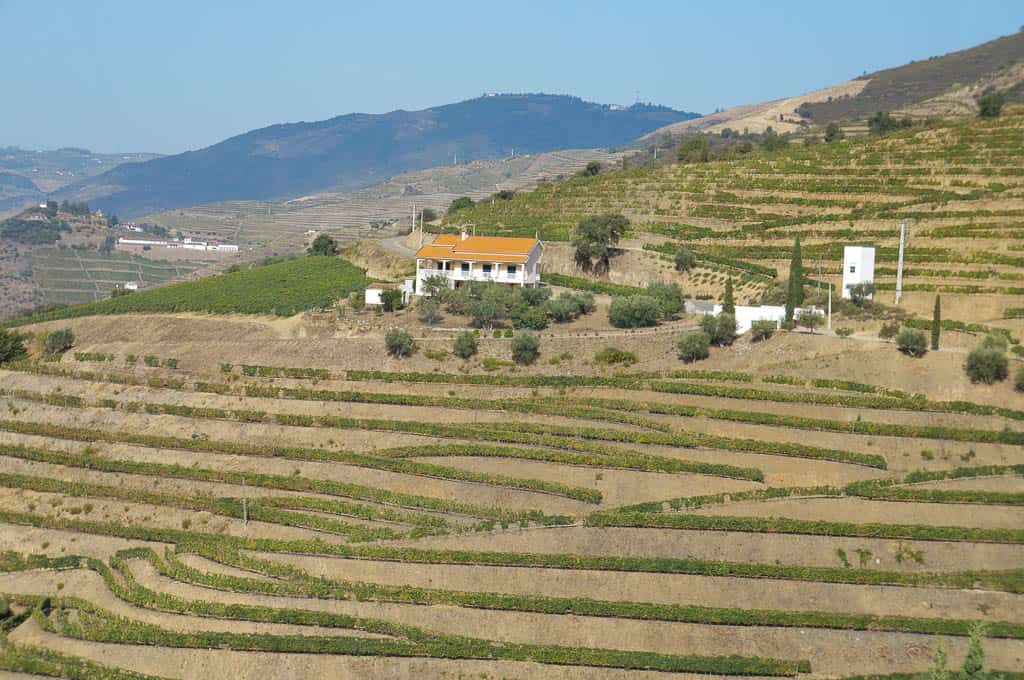
Leaving the golden plains behind and driving into the Douro Valley is one of the great sensory shifts of any journey through Portugal. As the oldest demarcated wine region in the world—established in 1756—the Douro is a jaw-dropping landscape sculpted entirely by human hands over centuries. Steep mountains plunge straight down into the Douro River, carved into thousands of dramatic, dry-stone terraced vineyards (socalcos) dotted with historic, whitewashed wine estates (quintas).
What makes the Douro essential for food and wine lovers is the chance to step directly to the source of Portugal’s most storied exports. Beyond the famous Port wines aging in oak casks, the valley produces some of the country’s most concentrated, world-class dry red and mineral white table wines.
Basing yourself at a vineyard estate for two nights allows you to experience the valley when day-trippers vanish—gliding past vertical hillsides on a wooden rabelo boat, winding along the scenic riverside curves of the N222, and dining on terrace-grown regional dishes like slow-roasted kid goat paired with estate vintages as the sun sets over the canyon.
Today is your big scenic driving day. Depart the Alentejo and drive north through central Portugal into the UNESCO-listed Douro Valley.
Day 6: The Drive North, Pinhão Station & Checking into a Quinta
- Morning: Drive north toward the Douro (approx. 3.5 to 4 hours). As you descend into the valley near Peso da Régua or Pinhão, the landscape shifts into dramatic, hand-carved stone terraces plunging down to the serpentine Douro River.
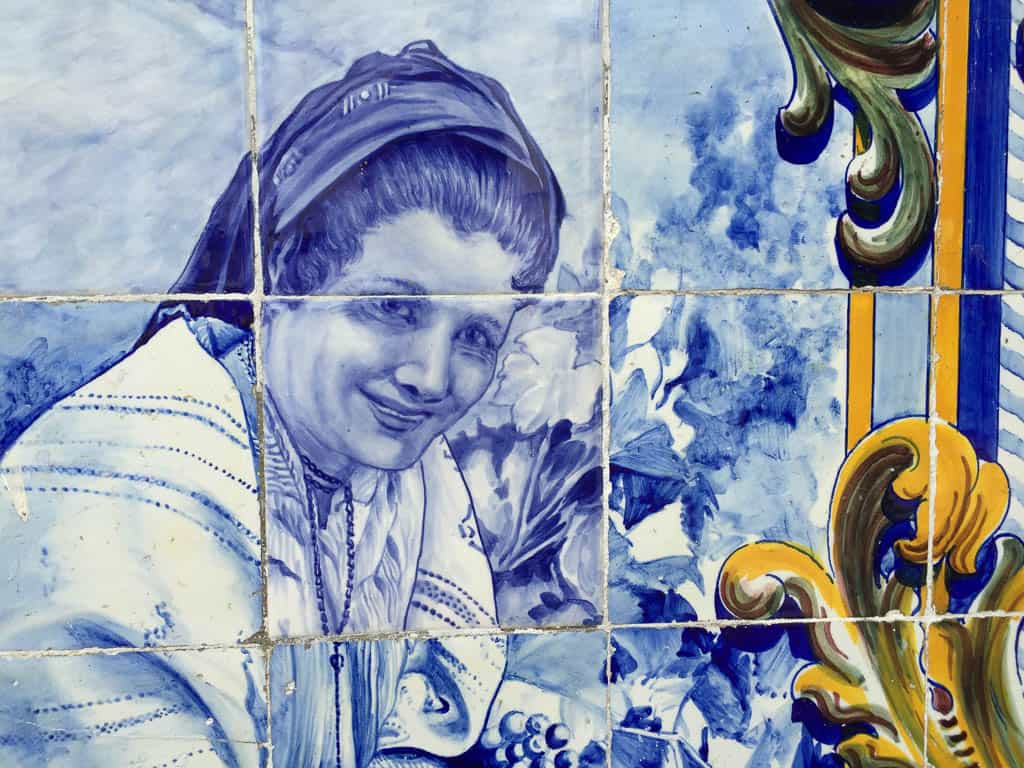
- Afternoon: Stop in the riverside wine hub of Pinhão. Head directly inside the historic Pinhão Train Station, famous for its stunning 1930s azulejo tile panels depicting the traditional grape harvest and flat-bottomed rabelo boats navigating the river rapids.
- Late Afternoon: Check into your wine estate. We stayed at Quinta Nova de Nossa Senhora do Carmo, a historic Relais & Châteaux boutique wine hotel perched high above the river terraces in Sabrosa.
- Evening: Relax on the estate’s panoramic terrace overlooking the vines. Dine at the quinta’s restaurant (Terraçu’s), enjoying refined regional dishes paired with their award-winning Douro DOC table reds and vintage ports.
Day 7: Rabelo River Boat Cruise & Quinta Tastings
- Morning: Drive down to the Pinhão riverfront and board a traditional wooden rabelo boat for a 1- or 2-hour cruise along the Douro River. Gliding between the steep, vine-covered canyon walls is by far the best way to appreciate the scale of the valley.
- Lunch & Afternoon: Visit neighboring historic quintas for cellar tours and seated tastings. Excellent nearby stops include Quinta do Bomfim (the historic home of Dow’s and Symington family ports) right by the river, or drive up to Quinta do Crasto for dramatic infinity-pool vineyard views.
- Evening: Enjoy a leisurely dinner at a riverside tavern in Pinhão or Peso da Régua, ordering slow-roasted kid goat (anho assado) baked in clay pots with baby potatoes and rosemary.
Douro Valley Quintas & Wine Hotels
- Our Top Pick (Historic Relais & Châteaux): Quinta Nova Winery House – Relais & Châteaux – An intimate, 19th-century manor house set among 120 hectares of vineyards with incredible panoramic valley views, a wine museum, and superb dining. This is where we stayed, and even made our own wine there!
- Riverside Vineyard Classic: Quinta de la Rosa – A working family-owned wine estate with rooms right on the edge of the river, walking distance to Pinhão.
- 👉 Browse all Douro Valley vineyard hotels on Booking.com
Days 8–10: Porto (Francesinhas, Bolhão Market & Vila Nova de Gaia)
Ending your journey in Porto brings you full circle to the historic end of the Douro’s wine route. Perched dramatically above the river gorge, Portugal’s second city is grittier, more intimate, and fiercely proud of its working-class culinary identity. We’ve been to Porto several times, and one sumemr spent six weeks there!
Where Lisbon feels grand and maritime, Porto charms visitors with its dramatic granite architecture, vibrant blue-and-white azulejo facades, and deep-rooted neighborhood culture that feels remarkably untouched by time.
For food lovers, Porto offers a legendary comfort-food scene. It is home to the iconic, beer-cheese-drenched Francesinha, bustling morning trade inside the restored iron halls of Mercado do Bolhão, and classic wood-oven tascas serving hearty northern specialties like roasted veal and bacalhau.

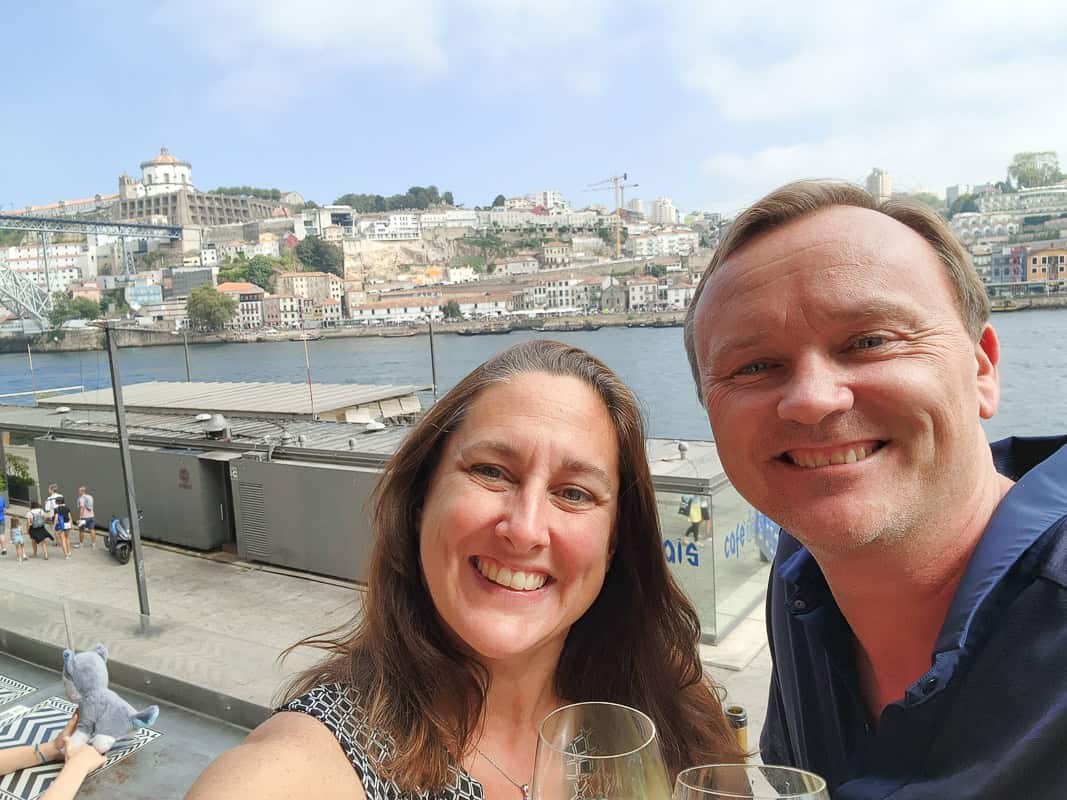
Just across the soaring Dom Luís I Bridge lies Vila Nova de Gaia, where historic Port wine lodges house centuries of aging oak casks and panoramic rooftop terraces overlooking the skyline. Spending your final three days here lets you slow down, explore the city’s atmospheric hills on foot, and celebrate the end of your trip with benchmark tastings of aged tawnies and fresh northern seafood.
On the morning of Day 8, drive west along the scenic N222 road toward Porto (approx. 90 minutes). Drive straight to the downtown rental car depot or airport to return your car. Like Lisbon, Porto is a compact, pedestrian-first city with steep hills and zero need for a car.
Traveling to Porto? Check our our guide on What to Eat in Porto.
Why We Avoid Staying Directly on the Riverfront in Porto
While the Ribeira riverfront looks gorgeous on postcards, we recommend avoiding staying right down on the riverbank. It is wall-to-wall tour groups, noisy late into the night, and every single trip out of your hotel requires a grueling, vertical uphill climb into the rest of the city.
Instead, base yourself uphill in Baixa, near the revamped Mercado do Bolhão, or in quieter residential quarters. During our travels, we’ve stayed in centrally located boutique hotels like Hotel Teatro (a stylish, drama-themed boutique right in the center) and rented neighborhood apartments across town during our 6-week summer stay. (On one last-minute trip, we also stayed at the Sheraton Porto Hotel & Spa; while comfortable, it sits out in the business district of Boavista, which feels disconnected from the historic center).
Check out our guide on where to stay in Porto.

Day 8: Arrive in Porto, Bolhão Market & Your First Francesinha
- Afternoon: Check into your hotel, then head over to Mercado do Bolhão, Porto’s restored two-story 19th-century municipal food market. Stroll the stalls sampling canned sardines, fresh bread, regional cheeses, and glasses of sparkling espumante poured at small vendor bars.
- Late Lunch: It’s time for Porto’s undisputed culinary heavy hitter: the Francesinha. Head to a trusted local spot like Café Santiago or Brasão. Dig into the towering layers of steak, wet-cured ham, and spiced fresh sausage smothered in bubbling melted cheese and drenched in a fiery, orange beer gravy. Order an ice-cold draft beer (um fino) to cut through the richness.
- Evening: Walk off lunch through the grand tile-lined hall of São Bento Railway Station, admiring the 20,000 blue-and-white azulejo tiles, before taking in sunset views from the terrace outside the Porto Cathedral (Sé).
Day 9: The Port Wine Lodges of Vila Nova de Gaia
- Morning: Walk across the upper deck of the iconic iron Dom Luís I Bridge to the southern bank of the Douro: Vila Nova de Gaia. This is where port wine has been matured, blended, and bottled in historic lodges for centuries.
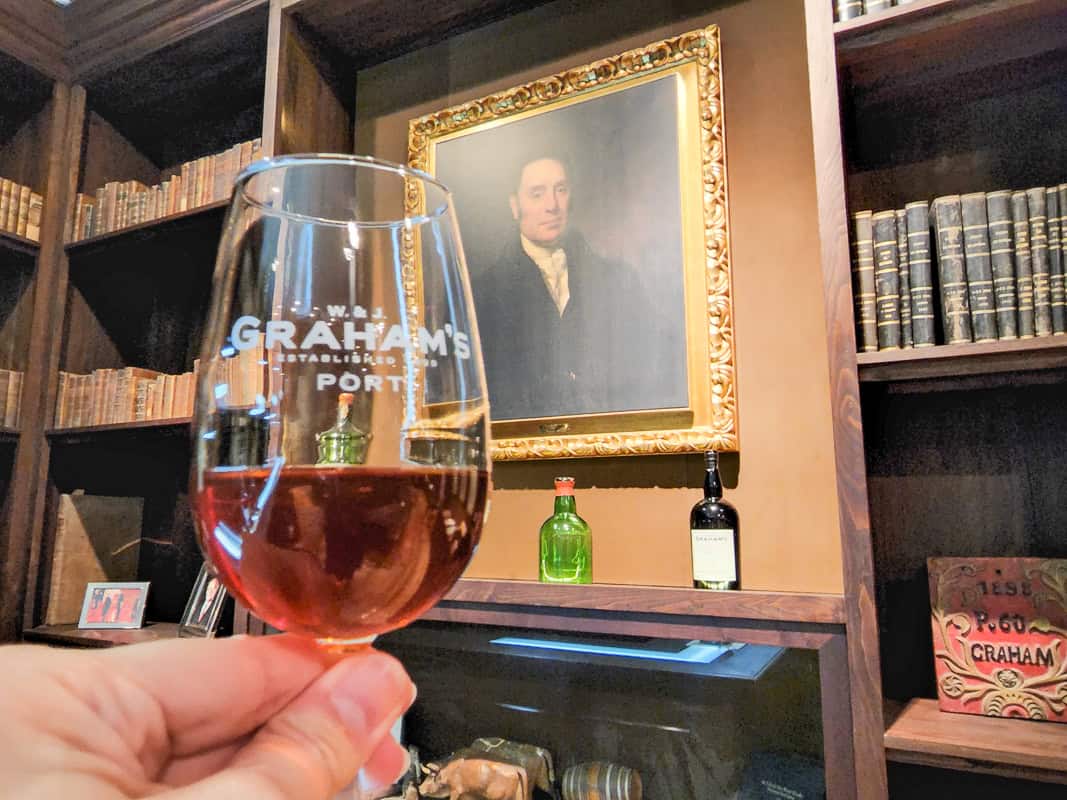
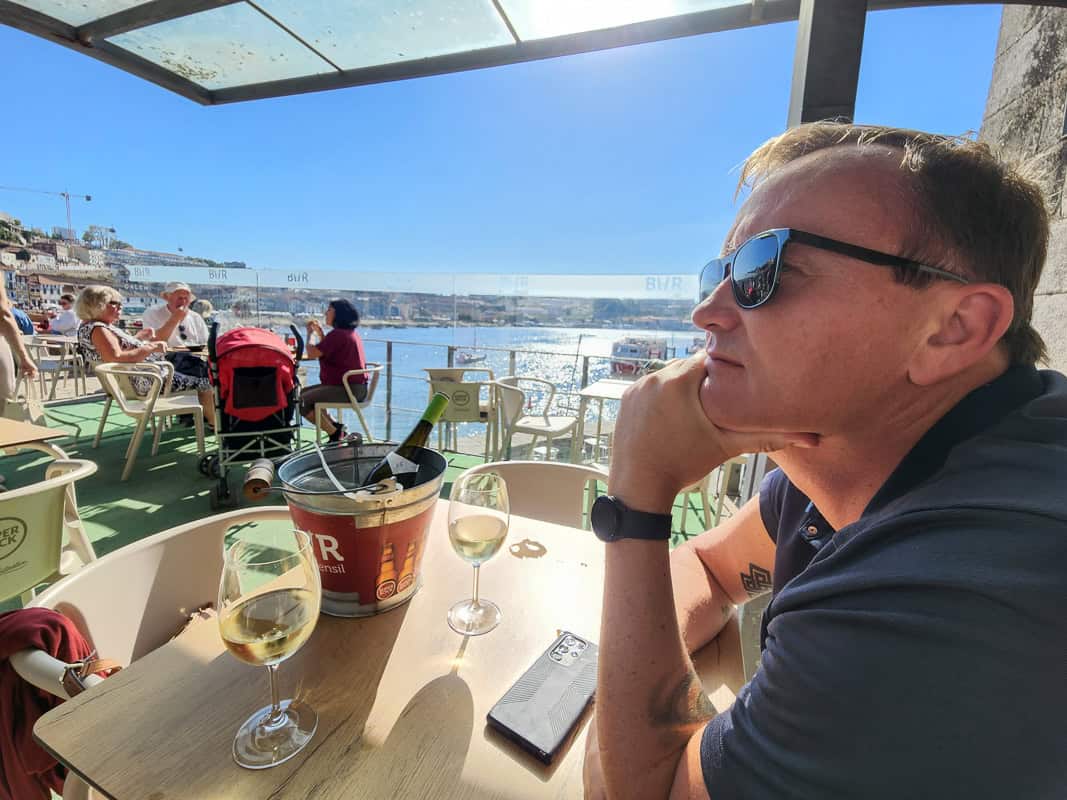
- Afternoon: Book seated cellar tours and tastings at the historic lodges. Explore the quiet, cobblestone aging cellars of Graham’s, Taylor’s, or Cockburn’s, tasting through aged Tawnies, single-quinta Vintages, and crisp White Ports. Stop for lunch at a terrace overlooking the river with sweeping views back across to the colorful facades of Porto’s Ribeira.
- Evening: Settle into a traditional northern tasca like A Cozinha do Manel. Feast on baked salt cod (Bacalhau à Gomes de Sá), tender roast meats, and a whole wheel of scoopable Queijo Serra da Estrela on their signature stamped wooden board, washing it down with a bold red Douro table wine.
Day 10: Coastal Foz do Douro & Final Petiscos
- Morning: After a Portuguese breakfast, catch the historic wooden vintage Tram 1 (or a quick rideshare) along the river out to Foz do Douro, where the Douro River empties into the crashing Atlantic waves. Stroll along the oceanfront promenade and watch local fishermen cast lines from the breakwater.
- Lunch: Eat at a coastal seafood tavern in Matosinhos or Foz. Enjoy charcoal-grilled sea bass (robalo), grilled squid (lulas), and a plate of crispy fried baby sardines (petingas fritas) eaten whole with a squeeze of lemon.
- Evening: Spend your final evening in Porto bar-hopping between wine bars in the trendy arts district along Rua Miguel Bombarda or around Praça dos Poveiros, toasting your final night in Portugal with a glass of 20-Year Tawny Port.
Where to Stay in Porto
Porto is extremely walkable, but its hills are steep. To avoid punishing vertical climbs every morning, we recommend staying along the upper central ridge in Baixa or Cedofeita rather than down on the crowded riverfront:
- Central Arts & Historic District (Our Pick): Hotel Teatro – A dramatic, boutique theater-themed hotel in central Baixa, just steps from São Bento station, Bolhão Market, and traditional tascas.
- Longer Stays & Apartments: Booking a serviced apartment along Rua do Almada or in Cedofeita gives you a neighborhood kitchen, quiet evenings, and easy access to independent wine bars.
- The Luxury Wine Splurge (Across the River): The Yeatman – Perched in Vila Nova de Gaia with a decanter-shaped pool, 2-Michelin-star dining, and unrivaled postcard views looking back across the Douro.

Frequently Asked Questions: Planning a 10-Day Portugal Itinerary
Is 10 days enough time to visit Portugal?
Yes. A 10-day trip is the sweet spot for a first-time or returning food and wine traveler. It provides ample time to explore the historic food quarters of both Lisbon (3 days) and Porto (3 days) while leaving 4 days to road-trip through the countryside—splitting time between the rustic Alentejo wine plains and the terraced Douro Valley.
Do I need a car for a 10-day Portugal itinerary?
You only need a rental car for the countryside leg of the trip. Driving inside Lisbon or Porto is stressful due to steep hills, historic tram tracks, narrow alleys, and restricted pedestrian zones. The most efficient strategy is to explore Lisbon on foot, pick up a rental car on the morning you depart for the Alentejo, drive through the Douro Valley, and drop the car off immediately upon arriving in Porto.
How do you travel between Porto and Lisbon without a car?
If you are flying round-trip in and out of Lisbon and want to return from Porto without a car, take the Alfa Pendular (AP) high-speed train operated by Comboios de Portugal (CP). It connects Porto’s Campanhã station to Lisbon’s Oriente or Santa Apolónia stations in approximately 2 hours and 50 minutes, with comfortable first-class (Conforto) seating and free Wi-Fi.
Can you fly into Lisbon and out of Porto?
Yes. Booking an “open-jaw” or multi-city flight (flying into Lisbon Humberto Delgado Airport and out of Porto Francisco Sá Carneiro Airport) is the most efficient itinerary strategy. Multiple US carriers (including United, Delta, and TAP Air Portugal) and major European airlines offer direct or single-connection routes from both cities, eliminating the need to backtrack.
When is the grape harvest season in the Douro Valley?
The annual Douro grape harvest (vindima) takes place in the early autumn, typically running from early September through mid-October. During this time, the vineyard terraces turn rich shades of gold and amber, the wineries are alive with picking and grape stomping, and the weather is pleasantly warm. Booking accommodations and quinta visits well in advance during harvest season is essential.