Hong Kong is an exhilarating, vertical food capital where a single day can start with cart-hunting aunties in a clattering Sheung Wan teahouse and end over sizzling charcoal claypot rice on a neon-lit Kowloon side street. After visiting more than a dozen times over the last decade plus, we’ve learned that the biggest mistake travelers make is pinballing haphazardly across Victoria Harbour.
Three days to eat in Hong Kong is the sweet spot to take in the territory’s best culinary contrasts—if you plan by neighborhood geography. This food lover’s itinerary organizes the city into three dedicated clusters to eliminate backtracking: Day 1 focuses on historic Cantonese institutions and mid-levels teahouses in Central and Sheung Wan; Day 2 crosses to Kowloon for working-class market eats in Sham Shui Po, Mong Kok, and Yau Ma Tei; and Day 3 covers Wan Chai’s morning wet markets, double-decker tram rides, and panoramic sunset views from Victoria Peak.
*This post contains compensated links. Find more info in my DISCLAIMER. As an Amazon Associate, I earn from qualifying purchases.
How Should You Structure 3 Days in Hong Kong For Food?
This three-day route balances walking logistics by dedicating full days to specific geographic clusters, minimizing backtracking across Victoria Harbour. And, it gives plenty of time for eating the best food in Hong Kong!
| Day & Geographic Focus | Morning (Breakfast & Dim Sum) | Afternoon (Markets & Lunch) | Evening (Dinner & Nightlife) | Transit Anchor |
| Day 1: Central & Sheung Wan | Push-cart dim sum at Lin Heung Lau or Maxim’s Palace. | Wonton noodles at Mak’s and egg tarts at Tai Cheong. | Roast goose dinner at Yung Kee and Soho cocktail bars. | Central MTR & Mid-Levels Escalators |
| Day 2: Sham Shui Po & Mong Kok | Steamed rice rolls (Cheong Fun) at Hop Yik Tai. | Bamboo noodles at Lau Sum Kee & Man Kee Cart Noodles. | Star Ferry sunset ride & claypot rice at Four Seasons. | Sham Shui Po MTR & Star Ferry Pier |
| Day 3: Wan Chai & Victoria Peak | Wet market walk & cha chaan teng tea at Sun Hang Yuen. | Crispy char siu pork at Joy Hing & Ding Ding tram ride. | Cantonese dinner at Dynasty & night views from Victoria Peak. | Wan Chai MTR & Peak Tram Funicular |
Table of Contents
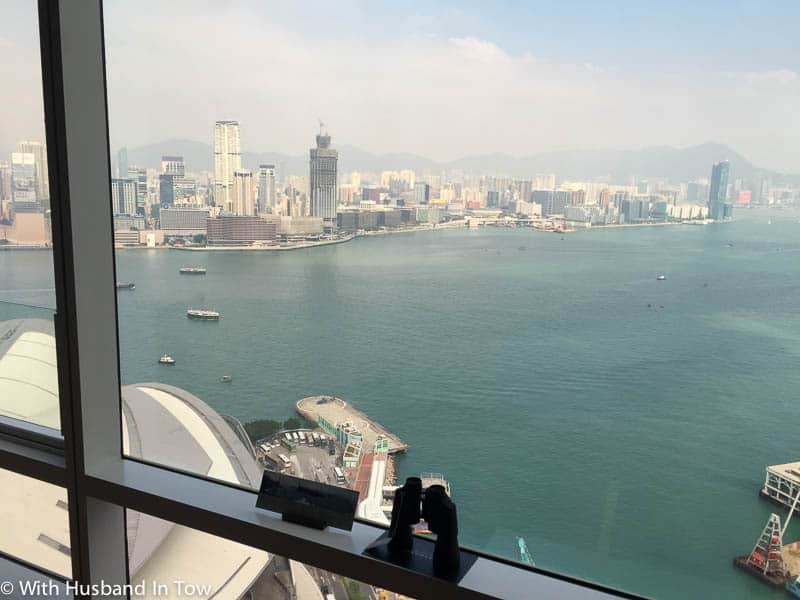
This post really focuses on packing a lot of eating into only a few days in Hong Kong, so for more information and travel tips, check out our comprehensive Hong Kong Travel Guide.
Looking for some place to stay where there are great Hong Kong eats? Check out our recommendation for the best Hong Kong neighborhoods for food lovers!
How Should You Spend Day 1 Exploring Central and Sheung Wan Teahouses?
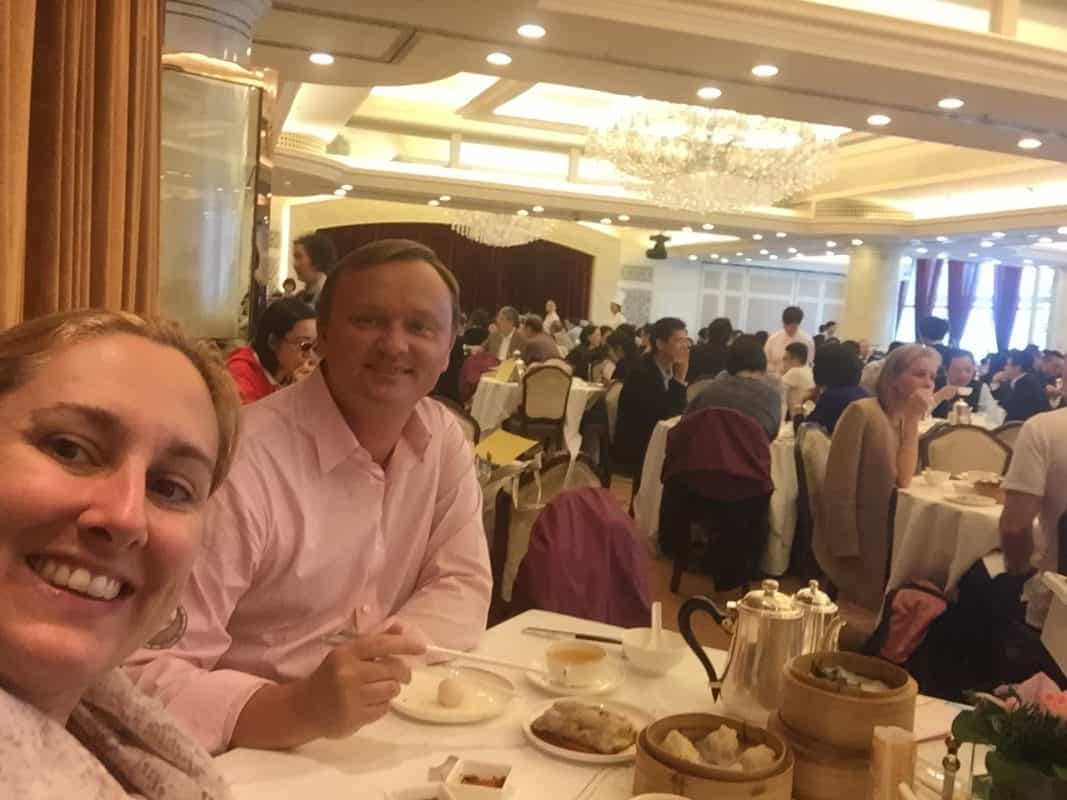
Morning: Push-Cart Dim Sum at Lin Heung Lau or Maxim’s Palace
Yum cha is the traditional Cantonese morning ritual of drinking hot Chinese tea paired with bite-sized steamer baskets of dim sum. Start Day 1 with authentic teahouse culture.
- Option A (Heritage Teahouse Chaos): Lin Heung Lau, Tung Ning Building, 249–253 Des Voeux Road Central, Sheung Wan. Open daily 9:00 AM – 11:00 PM. Claim a seat at a communal table and flag down rolling carts for steamed pork liver siu mai and char siu bao (35–48 HKD / ~4.50–6.15 USD per basket as of August 2026).
- Option B (Grand Ballroom Dining): Maxim’s Palace at City Hall, 2/F, City Hall Low Block, Central. Open from 11:00 AM weekdays (9:00 AM Sundays). Arrive 15 minutes before opening to secure a queue ticket for rolling-cart Har Gow (shrimp dumplings) and harbour views (45–65 HKD / ~5.75–8.35 USD per dish as of August 2026).
These are two of our favorite places for dim sum in Hong Kong with Lin Heung Lau being our absolute favorite. During our first visit to Hong Kong in 2009, we ate at both and have returned to each on nearly every trip since.
Walking into Lin Heung Lau for the first time, we felt completely out of place: where do we sit, how do we order, and what should we choose? Thankfully a few HongKongers at our table showed us the ropes, helping us to have one of our favorite dining experiences.
Lin Heung Lau is as old-school Hong Kong teahouse as you can get. Food is pushed out on steaming carts. Mosts guests don’t wait for it to come to their table instead, racing to the kitchen door to see what’s coming next. The one main room is packed with dated and stained furniture. There’s a ton of noise from clinking china, and a Thunderdome atmosphere of, “everyone for themselves.” What’s not to love about all of that?
Maxim’s Palace couldn’t be more opposite. For starters, there are tablecloths on the tables and chairs. It’s quiet, orderly, and peaceful. Nobody leaves their seat to track down their next tasty bit, instead waiting for each cart to come quickly by. The dim sum is elevated more in quality than in creativity where Lin Heung Lau’s food is traditional and straightforward. Maxim’s in extremely popular, so be prepared to wait.
Check out our complete guide to Eating in Central Hong Kong for more!
Midday: Mid-Levels Escalator, Egg Tarts, and Wonton Noodles
After breakfast, walk along Queen’s Road Central to the Central–Mid-Levels Escalator, the world’s longest covered outdoor moving walkway system. After a couple days in Hong Kong you’ll come to appreciate this walkway system, trust us. Coming from Lin Heung, you are closer. Maxim’s you will walk east, and it is a bit of a walk, but a nice one.
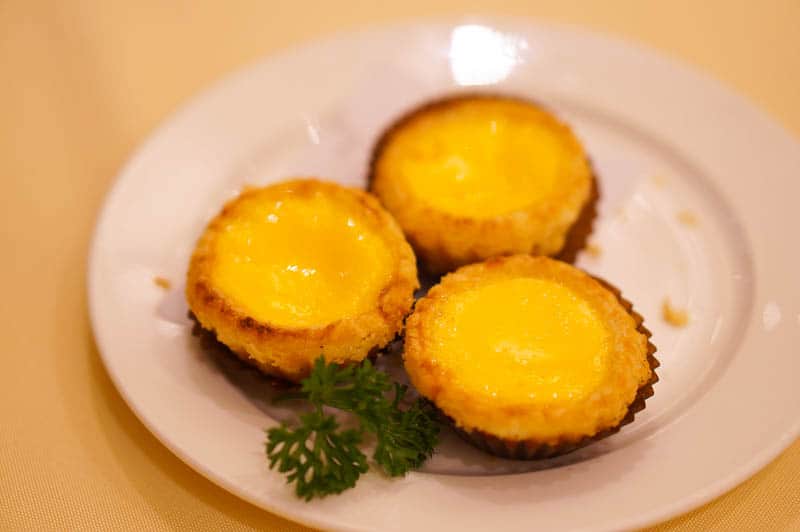
There are two key stops in Central. If you didn’t eat egg tarts during dim sum, this is a great place to try them. Alternatively (or both if you can stomach it!) is Mak’s Noodle, always a favorite of ours. There can sometimes be a line outside, which helps provide some time to digest.
- Stop 1 (Egg Tarts): Tai Cheong Bakery, 35 Lyndhurst Terrace, Central. Open daily 9:30 AM – 7:30 PM. Buy a fresh, warm shortcrust egg custard tart (Daan Tat) (12–15 HKD / ~1.55–1.90 USD as of August 2026).
- Stop 2 (Wonton Noodles): Mak’s Noodle, G/F, 77 Wellington Street, Central. Open daily 11:00 AM – 8:30 PM. Order a classic bowl of springy duck-egg alkaline noodles with whole-prawn wontons in dried-flounder broth (50–65 HKD / ~6.40–8.35 USD as of August 2026).
Afternoon: Heritage Walking at Tai Kwun and Man Mo Temple
Walking along Hollywood Road is where Central’s vertical chrome towers give way to old-world Cantonese history. You’ll navigate steep granite stone steps framed by centuries-old banyan tree roots pushing through cracked brick walls, passing mid-century antique shops and contemporary art galleries.
Stepping into Man Mo Temple feels like entering another century; the air is thick and hazy with the sweet, heavy scent of giant burning incense coils suspended overhead, offering a quiet, contemplative escape from the city roar outside.
Evening: Charcoal Roast Goose Feast at Yung Kee
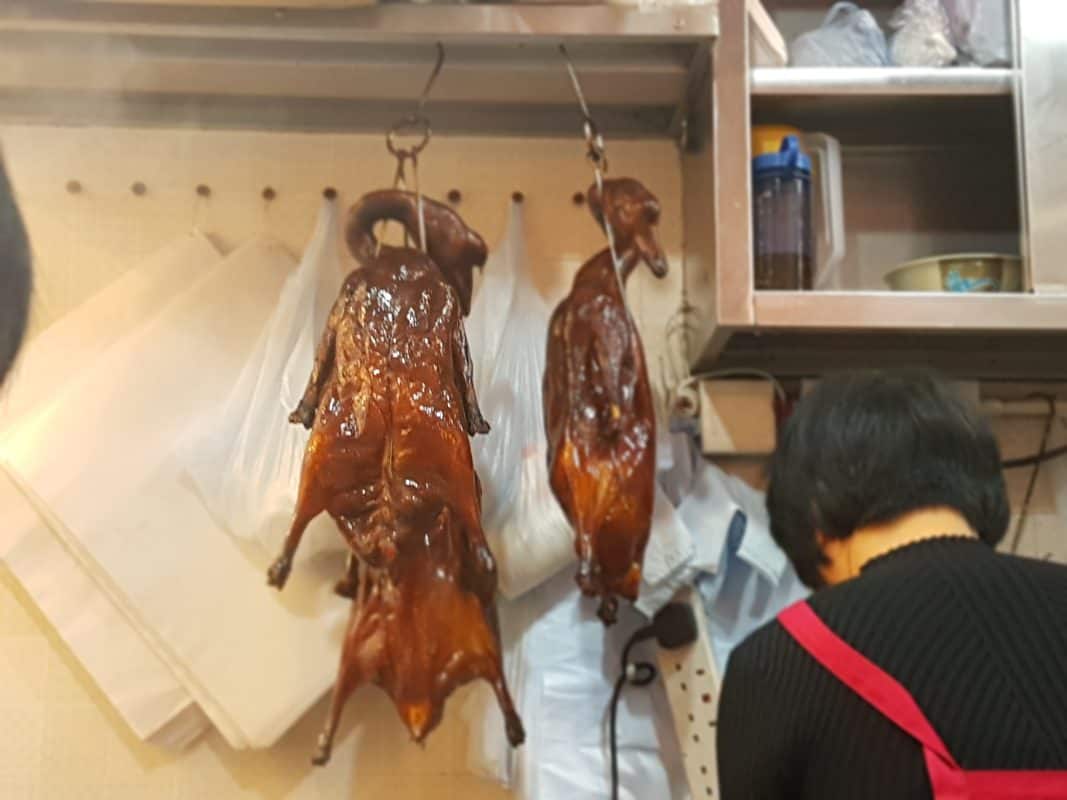
Siu ngo is whole marinated goose roasted inside high-heat ovens until the skin is mahogany-crisp while the meat remains tender and rich. There are shops with Cantonese meats hanging in the window throughout the city, but the best place to try goose in Central is Yung Kee. Again expect a bit of a queue!
- Where to eat: Yung Kee Restaurant, 32-40 Wellington Street, Central. Open daily 11:30 AM – 11:00 PM.
- What to order: Order the signature roasted goose lower quarter (Jor Tei) with sweet plum sauce (280–360 HKD / ~36–46 USD as of August 2026) paired with wok-tossed seasonal greens.
- Nightcap: Walk up to Elgin Street and Hollywood Road in Soho for craft cocktails at local speakeasies.
Check out our complete guide on the Cost of Eating and Drinking in Hong Kong.
How Should You Spend Day 2 Eating Through Kowloon and Sham Shui Po?
Day 2 leaves behind the gleaming corporate high-rises and steep escalators of Central for the flat, bustling, working-class street grid of Kowloon. While Day 1 balanced historic island institutions with the city’s financial core, today is a sensory, on-your-feet grazing crawl through open-air markets, hole-in-the-wall noodle shops, and late-night side streets.
You will work your way south from morning rice rolls in Sham Shui Po down through the bakery crowds of Mong Kok to sizzling charcoal claypots in Yau Ma Tei. Wear comfortable shoes, keep cash and your Octopus Card within easy reach, and expect rapid table turnover at every stop.
Morning: Michelin Bib Gourmand Street Food in Sham Shui Po
Emerging from the Sham Shui Po MTR station feels like stepping into the raw, beating heart of 1970s Hong Kong. This is one of the city’s most authentic working-class market districts, where laundry hangs from the bamboo poles of residential tenement buildings and sidewalk merchants spill onto the pavement. The aroma shifts every few paces—from roasted sesame paste and frying dough to herbal medicinal broths and dried seafood—making a walking morning crawl here an essential sensory jolt.
Take the MTR Tsuen Wan Line (Red Line) north to Sham Shui Po MTR Station (Exit D2) to explore Hong Kong’s most historic working-class market district.
- Stop 1 (Steamed Rice Rolls): Hop Yik Tai, G/F, 121 Kweilin Street. Open daily 6:30 AM – 8:00 PM. Order freshly steamed cheong fun dressed in peanut sesame sauce, sweet sauce, chili sauce, and toasted sesame seeds (16–22 HKD / ~2.05–2.80 USD as of August 2026).
- Stop 2 (Bamboo-Pressed Noodles): Lau Sum Kee Noodle, G/F, 48 Fuk Wing Street. Open daily 11:30 AM – 9:30 PM. Order dry egg noodles kneaded with a bamboo log, topped with whole-shrimp wontons and a generous dusting of roasted shrimp roe (Ha Ji) (48–62 HKD / ~6.15–7.95 USD as of August 2026).
Midday: Custom Cart Noodles and Toy Street Markets
- Lunch Stop: Man Kee Cart Noodles, G/F, 121 Fuk Wing Street. Open daily 11:00 AM – 10:30 PM. Use the paper tick-sheet to build a custom bowl with braised beef brisket, Swiss chicken wings, and daikon in spicy broth (45–75 HKD / ~5.75–9.60 USD as of August 2026).
- Market Walk: Browse the retro gadgets along Apliu Street Flea Market and walk through the colorful wholesale stationery stalls along Fuk Wing Street (“Toy Street”).

Afternoon: Pineapple Buns in Mong Kok and the Star Ferry Crossing
Take the MTR two stops south to Mong Kok MTR Station (Exit B2).
- Afternoon Tea: Kam Wah Cafe & Bakery, G/F, 47 Bute Street. Open daily 6:30 AM – 9:00 PM. Order a hot Bo Lo Yau (warm yeast roll with a crumbly cookie crust stuffed with a thick slab of cold salted butter) paired with an iced milk tea (34–45 HKD / ~4.35–5.75 USD combined as of August 2026).
- Harbour Transit: Walk or take the subway down to Tsim Sha Tsui Star Ferry Pier. Board the upper deck of the Star Ferry across Victoria Harbour to Central or Wan Chai (5.00–6.50 HKD / ~0.65–0.85 USD as of August 2026) for iconic skyline views.
After a morning of back-to-back street food, bamboo noodles, and a rich buttered pineapple bun, you’ll need a digestive break before braving the evening claypot rice crowds.
Walking down Nathan Road to the Tsim Sha Tsui Pier to catch the Star Ferry across Victoria Harbour is the ultimate low-effort, scenic way to kill an hour. Grab a wooden bench on the upper deck (about 0.85 USD) to catch the harbour breeze, watch the container ships glide past, and let the gentle sway reset your appetite before heading toward dinner. Plus the Star Ferry is one of the best things to experience in Hong Kong.
Evening: Charcoal Claypot Rice at Temple Street Night Market
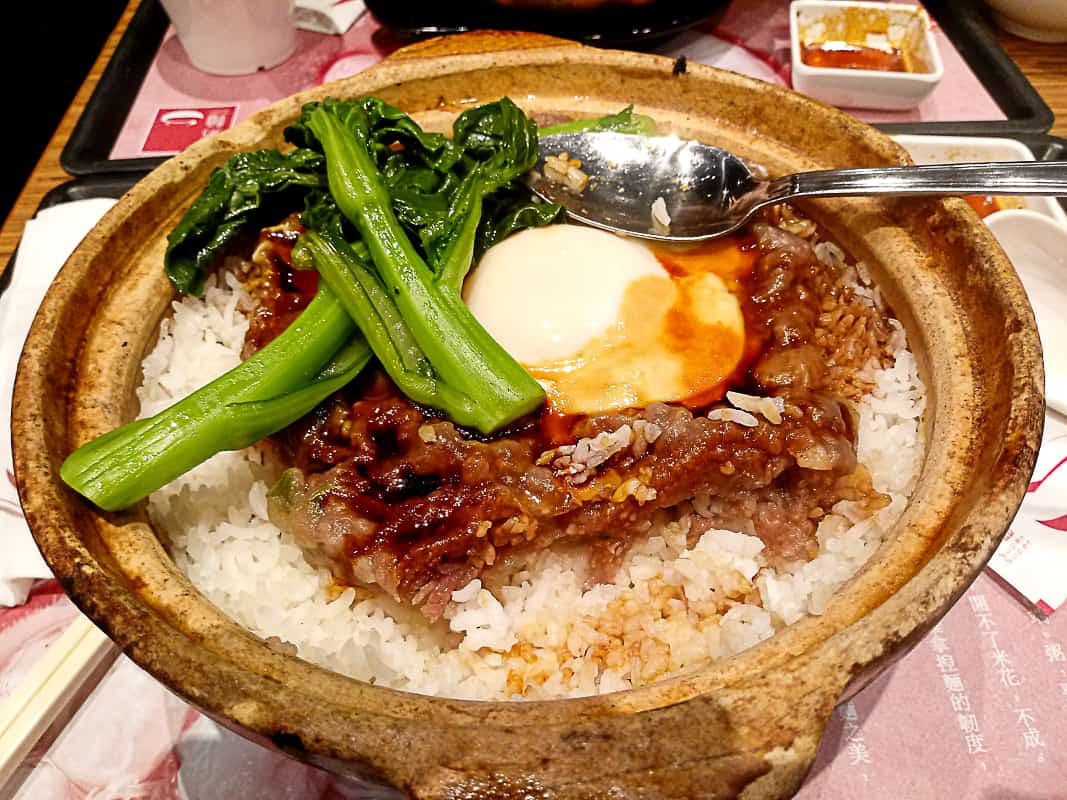
Bao zai fan is fragrant jasmine rice cooked over glowing charcoal burners in earthenware pots, creating a sizzling layer of crispy rice (faan ziu) along the base.
As night falls, Temple Street fills with the glow of red neon signs, the clatter of mahjong tiles, and the hissing steam of outdoor woks. Eating claypot rice here is an interactive street-side ritual: you sit on low plastic stools tucked along crowded sidewalk tables while cooks tend to rows of bubbling earthenware pots over open, glowing charcoal braziers. When your pot arrives searingly hot, lifting the heavy ceramic lid releases a cloud of toasted rice aroma and cured pork drippings that signals the best comfort meal in Kowloon.
- Where to eat: Four Seasons Claypot Rice, 46-58 Arthur Street, Yau Ma Tei. Open daily 4:30 PM – 12:30 AM.
- What to order: Order claypot rice with Chinese cured sausage (lap cheong) and minced beef with egg (70–95 HKD / ~8.95–12.15 USD as of August 2026); drizzle seasoned sweet soy sauce inside, cover the lid for one minute, and scrape up the crispy bottom.
How Should You Spend Day 3 Experiencing Wan Chai Markets and Victoria Peak?
Morning: Wan Chai Wet Market Crawl and Cha Chaan Teng Breakfast
Begin your final day on northern Hong Kong Island exploring the bustling street markets of Wan Chai. Wan Chai’s street markets wake up early with energetic bargaining and the rhythmic chopping of butcher cleavers.
Walking down Bowrington Road means dodging local shoppers with pull-behind wheeled carts while navigating displays of live swimming fish in aerated blue plastic tubs, hanging rows of glistening roast pork, and mountains of fresh tropical greens.
Ducking into a local cha chaan teng afterward offers the ultimate neighborhood contrast—sitting in a cramped vintage booth while servers slide across chipped Formica tables to slam down thick porcelain mugs of steaming, evaporated milk tea.
- Market Walk: Walk through the open-air produce, live seafood, and flower stalls along Bowrington Road and Tai Yuen Street (“Toy Market”).
- Breakfast: Sun Hang Yuen or a local Wan Chai cha chaan teng. Order a toasted corned beef and egg sandwich (Daan Ngau Ji) and a hot milk tea (35–48 HKD / ~4.50–6.15 USD as of August 2026).

Midday: Crispy Char Siu Lunch and the Ding Ding Tram
Lunch at Joy Hing is fast, unpretentious, and shared shoulder-to-shoulder with local office workers. You squeeze into a tiny communal booth, and within two minutes of ordering, a steaming plate of warm rice arrives blanketed in thick slabs of glossy, charred-edge roast pork—ready to be doused with the bottles of sweet master sauce sitting on the table.
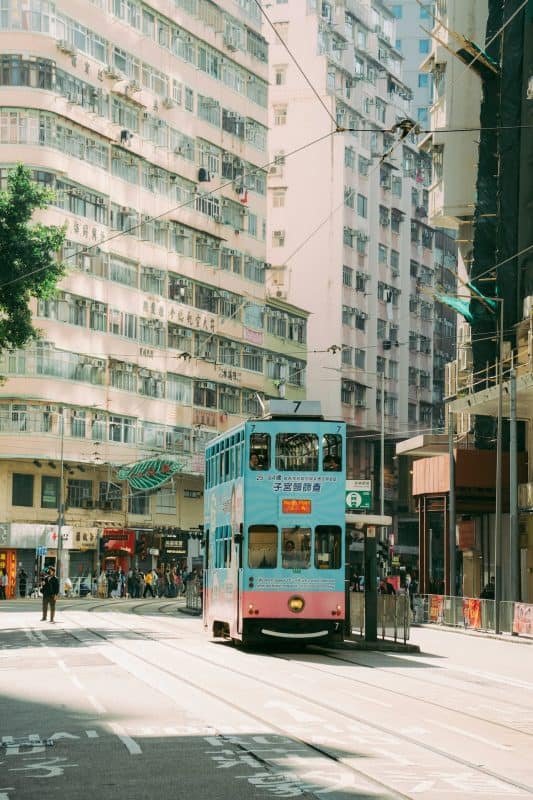
Afterward, climbing to the upper deck of a narrow Ding Ding tram gives you the best breezy, slow-motion perspective of Hong Kong Island, gliding inches below neon signboards as the rhythmic clatter and bell chime escort you into Central.
- Lunch:Joy Hing Roasted Meat, G/F, 265-267 Hennessy Road, Wan Chai. Open Monday to Saturday 10:00 AM – 10:00 PM (Closed Sunday). Order the signature Barbecue Pork (Char Siu) over steamed jasmine rice with sweet master sauce (45–60 HKD / ~5.75–7.70 USD as of August 2026).
- Tram Ride: Hop onto the upper deck of a westbound Ding Ding street tram from Johnston Road to Central (flat fare 3.00 HKD / ~0.38 USD as of August 2026), watching the city’s bustling street life from open windows.
Afternoon: The Historic Peak Tram and Victoria Peak Sunset
By mid-afternoon on Day 3—after a rich char siu lunch and navigating morning wet markets—heading up to Victoria Peak is the ideal way to kill two to three hours and walk off the day’s meals before your farewell Cantonese dinner.
Take the historic Peak Tram up the mountain, skip the shopping mall crowds at the summit, and head straight onto the flat, shaded Lugard Road Trail. The 3.5-kilometer loop gives you fresh air, total peace away from street-level traffic, and front-row skyline views as the afternoon fades into twilight.
- Transit: Walk from Central to the Peak Tram Lower Terminus on Garden Road.
- Experience: Board the Peak Tram, a historic funicular railway operational since 1888 that ascends steep mountain slopes to the Peak Tower in under ten minutes.
- What to do: Walk the flat, shaded 3.5-kilometer Lugard Road Trail around Victoria Peak for panoramic, unobstructed vistas of Victoria Harbour, Kowloon, and the outlying islands as the city lights turn on at sunset.
Evening: Farewell Cantonese Banquet at Dynasty Restaurant
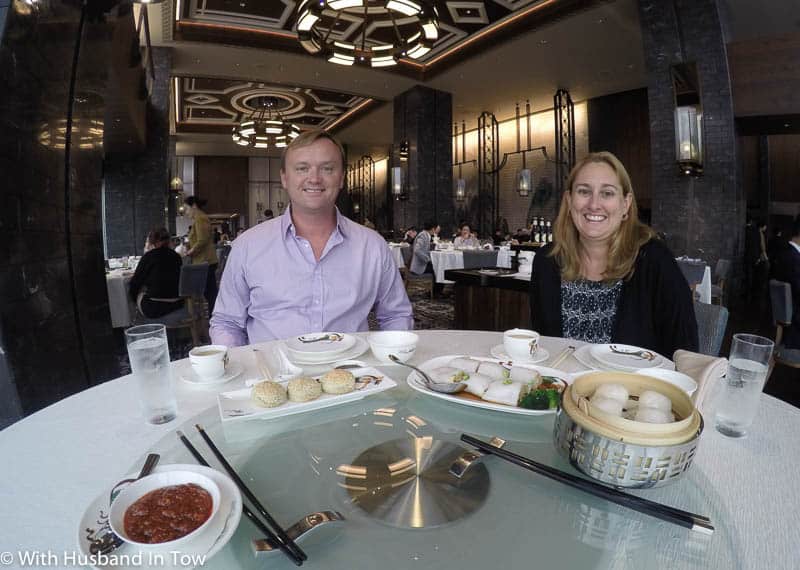
End your trip with refined Cantonese dining overlooking Victoria Harbour.
- Where to eat: Dynasty Restaurant, 3/F, Renaissance Hong Kong Harbour View Hotel, 1 Harbour Road, Wan Chai. Open daily 6:00 PM – 10:00 PM.
- What to order: Barbecued pork char siu, deep-fried crispy chicken, and seasonal wok-fried seafood (450–750 HKD / ~58–96 USD per person as of August 2026).
Where Should You Stay for a 3-day Hong Kong Food Itinerary?
For a fast-paced three-day culinary trip, stay on northern Hong Kong Island (Wan Chai or Central) or at the southern tip of Kowloon (Tsim Sha Tsui). Staying within a five-minute walk of an MTR station or the Star Ferry ensures you can move between morning dim sum halls and late-night markets without wasting time in traffic.
- Wan Chai (Top Recommendation): Renaissance Hong Kong Harbour View Hotel (from 1,800 HKD / ~230 USD per night as of August 2026). Direct covered footbridge access to Exhibition Centre MTR Station, harbourfront walks, and a seven-minute walk to Bowrington Road wet markets.
- Tsim Sha Tsui (Harbour Views & Star Ferry): Sheraton Hong Kong Hotel & Towers (from 1,650 HKD / ~210 USD per night as of August 2026). Steps from the Star Ferry Pier and direct underground concourse access to the Tsim Sha Tsui MTR Station.
- Central (Boutique Luxury): The Murray, Hong Kong (from 2,800 HKD / ~360 USD per night as of August 2026). Walking distance to Wellington Street dining and the Peak Tram Lower Terminus.
For complete hotel breakdowns and neighborhood guides, explore our full directory on Where to Stay in Hong Kong: Best Areas & Hotels.
What Practical Tips Should You Know Before Your 3-day Hong Kong trip?
- Buy an Octopus Card at the Airport: Pick up an Octopus Card (Baat Daa Tong) upon landing at HKG Airport or load a digital card onto your Apple Wallet; tap it for the Airport Express, MTR subways, Star Ferry, Ding Ding trams, and payments at bakeries and convenience stores.
- Carry Physical Cash for Stalls: While modern restaurants accept credit cards, historic noodle shops (Mak’s, Lau Sum Kee), street kiosks (Hop Yik Tai), and claypot rice diners operate strictly on cash or physical Octopus cards. Carry 20, 50, and 100 HKD banknotes.
- Table Sharing Is Universal (Daap Toi): In busy noodle shops and cha chaan tengs during peak lunch hours, sharing a table with strangers is standard practice. Sit where staff direct you, keep bags on your lap, and eat without lingering.
- The Two-Finger Tap for Tea: When dining at dim sum teahouses, tap your index and middle fingertips lightly on the table twice to silently thank whoever refills your teacup. Flip the teapot lid upside down to signal that you need hot water.
- Avoid Major Trade Convention Dates: Hotel room rates across Central and Wan Chai double during peak exhibition dates (especially April and October). Verify the convention calendar before finalizing your travel dates.
Frequently Asked Questions: Planning a 3-Day Hong Kong Food Itinerary
Is 3 days enough time to visit Hong Kong?
Yes, 3 days is the ideal amount of time to explore Hong Kong’s primary culinary hubs, covering historic teahouses in Central, street food stalls in Sham Shui Po, night markets in Mong Kok, and skyline views from Victoria Peak and the Star Ferry.
How much spending money do you need for 3 days of food in Hong Kong?
A comfortable food budget for 3 days ranges from 1,200 to 2,500 HKD (~150 to 320 USD) per person. This easily covers morning dim sum, street snacks, wonton noodles, a roast goose lunch, and a refined Cantonese dinner.
What is the fastest way to get from Hong Kong Airport to the city?
The Airport Express train is the fastest option, reaching Kowloon Station in 22 minutes (105 HKD / ~13.40 USD) and Hong Kong Station in Central in 24 minutes (115 HKD / ~14.70 USD) as of August 2026.
Do you need reservations for restaurants on this itinerary?
Reservations are strongly recommended for Yung Kee and Dynasty Restaurant, especially for evening dinners. Historic noodle houses, street stalls, and teahouses like Lin Heung Lau, Mak’s, Hop Yik Tai, and Four Seasons operate strictly on walk-in seating.
What should you wear when dining in Hong Kong?
Casual, comfortable walking shoes and light, breathable clothing are standard for daytime street food crawls and teahouses. Upscale hotel restaurants (such as Dynasty or fine dining in Central) enforce smart casual dress codes (no flip-flops, athletic shorts, or sleeveless shirts for men).