
Choosing where to stay in Hong Kong comes down to a fundamental geographic choice: basing yourself on Hong Kong Island or across Victoria Harbour in Kowloon. While both sides are connected by efficient MTR subway lines and the scenic Star Ferry, each district caters to a completely different travel pace.
Across more than a dozen visits to Hong Kong—staying everywhere from waterfront business towers to bustling Kowloon market hubs—we’ve found that neighborhood choice dictates your entire trip. Central & Soho and Wan Chai anchor Hong Kong Island with steep hillside nightlife, heritage teahouses, and elevated walkways. Across the water in Kowloon, Tsim Sha Tsui (TST) offers the quintessential skyline views and flat promenades ideal for first-timers and families, while Mong Kok & Jordan immerse budget explorers in neon street food culture. To help you match your travel style to the right base, here is our breakdown of the 5 best neighborhoods to stay in Hong Kong.
*This post contains compensated links. Find more info in my DISCLAIMER. As an Amazon Associate, I earn from qualifying purchases.
Quick Facts: Choosing Where to Stay in Hong Kong
| Consideration | District Detail & Hubs | Key Recommendation & Takeaway |
| Best Area for First-Timers | Tsim Sha Tsui (TST) & Central | TST offers flat promenades and classic Victoria Harbour views; Central puts dining, nightlife, and transit at your doorstep. |
| Best Base for Food Lovers | Central, Sheung Wan & Wan Chai | Immediate walking access to historic push-cart teahouses, dai pai dongs, and Michelin-starred dining rooms. |
| Best for Budget & Solo Travelers | Mong Kok & Jordan (Kowloon) | Dense concentration of budget boutique hotels and 24-hour street eats; room footprints are compact. |
| Airport Express Transit | Hong Kong Station (Central) & Kowloon Station (TST) | 22–24 minute non-stop train from HKG Airport; staying near either station minimizes luggage dragging. |
| Harbour Crossing Options | Star Ferry & MTR Cross-Harbour Lines | Star Ferry connects TST to Central and Wan Chai in 8 minutes for under 1 USD; MTR lines cross in 5 minutes. |
| Peak Pricing Windows | April & October (Trade Conventions); Autumn (Oct–Nov) | Hotel rates double during major exhibition weeks at HKCEC (Wan Chai); check convention schedules before booking. |
| Topography Reality | Hong Kong Island (Steep) vs. Kowloon (Flat) | Central/Mid-Levels requires stair climbing; TST and Mong Kok provide flat, stroller- and luggage-friendly walking. |
| Taxes & Surcharges | 10% Service Charge + 3% Hotel Accommodation Tax (HAT) | Factored on top of published room rates across almost all hotels and licensed guesthouses. |
Table of Contents
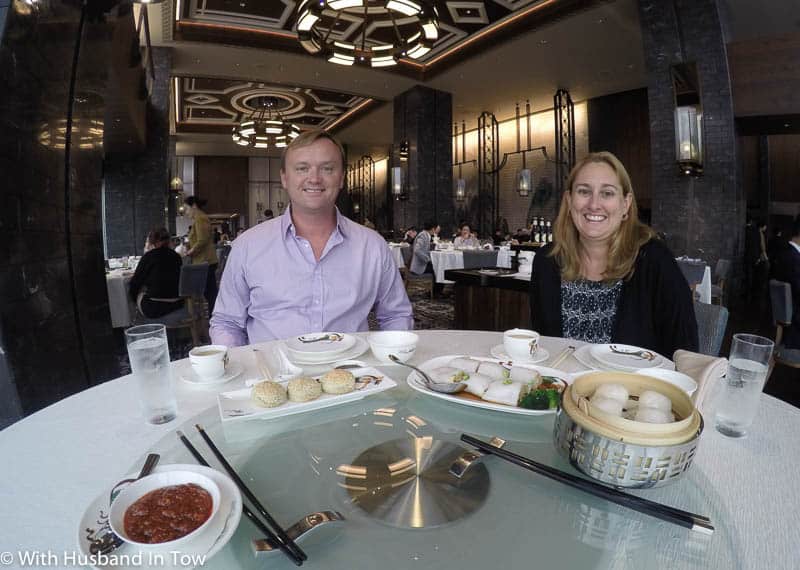
Check out our complete Guide to Travel in Hong Kong, and if you have the time, we prepared a 3 Day Hong Kong Itinerary for Food Lovers!
Which Hong Kong Neighborhood is Best for Your Travel Style?
Every neighborhood in Hong Kong has a distinct personality shaped by its geography, history, and street rhythm. Where you base yourself sets the tone for your daily logistics—whether that means stepping out of your lobby directly onto flat harbour promenades, climbing steep mid-levels escalators to hidden wine bars, or navigating crowded morning wet markets.
While Hong Kong’s world-class MTR subway system makes getting between districts effortless, choosing the right base saves you hours of daily transit and puts the experiences you care about most right outside your front door.
Here is how the city’s top five neighborhoods break down by travel style, location, and on-the-ground atmosphere.
Looking for some place to stay where there are great Hong Kong eats? Check out our recommendation for the best Hong Kong neighborhoods for food lovers!
Wan Chai: Best for Business Travelers, Market Culture, and Harbour Access
Wan Chai is a bustling commercial and residential district on northern Hong Kong Island that bridges everyday Cantonese street life with modern waterfront developments. It offers open-air wet markets along Bowrington Road, traditional tea restaurants (cha chaan tengs), and elevated pedestrian walkways connecting directly to the waterfront. The primary trade-off is high pedestrian density and premium pricing during major convention weeks.
- Getting there from HKG Airport: Take the Airport Express to Hong Kong Station (24 minutes) and transfer to the Island Line for two stops to Wan Chai Station, or take the direct Cityflyer Bus A11 (approx. 50–60 minutes).
- Getting around: Anchored by Wan Chai MTR Station (Island Line) and Exhibition Centre MTR Station (East Rail Line), alongside the historic Ding Ding street tram network and the Wan Chai Star Ferry Pier crossing to Tsim Sha Tsui.
- Who this neighborhood is best for:
- Business Travelers: Direct covered footbridge access to the Hong Kong Convention and Exhibition Centre (HKCEC).
- Food Lovers: Dense concentration of wet markets, traditional roast meat shops, and multi-generational cha chaan tengs.
- Accessibility Seekers: Extensive elevated covered footbridge network with elevators connecting the MTR to hotels and harbourfront promenades.
- Who should avoid it: Budget backpackers seeking the city’s lowest hostel rates.
We’ve definitely stayed in Wan Chai more than any other area within Hong Kong, although we’ve stayed in other areas of Central as well as in Kowloon. Much as it is a little bit more business-focused, it’s also, to some extent, a nice retreat from the hustle and bustle of some of the other areas of Hong Kong.
The Renaissance Harborview Hotel in Wan Chai has kind of become a home away from home where we’ve stayed most of our last few visits. They’ve always had great service, and because of our status, we get access to the Executive Lounge, which has some amazing views over Victoria Harbor.
Or, check out other Wan Chai hotels on Booking.com for more options.
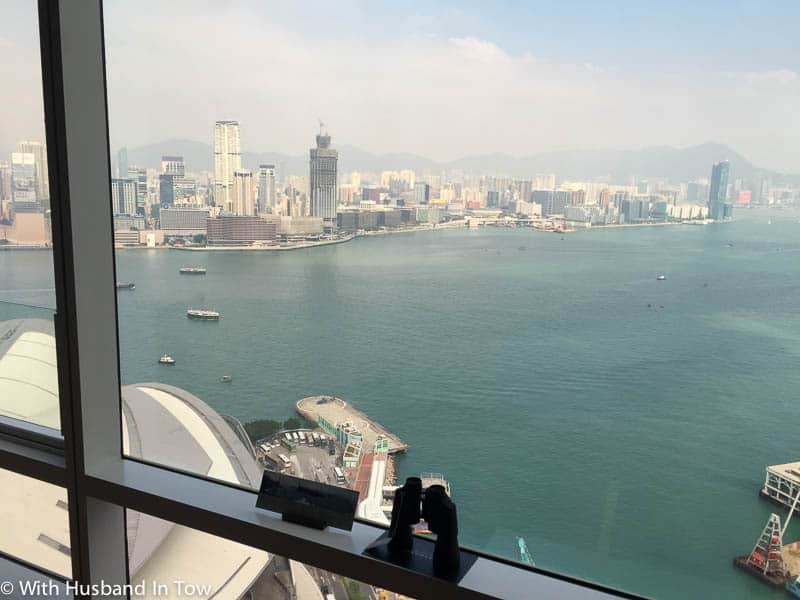
Central & Soho: Best for First-Timers, Nightlife, and Luxury Seekers
Central is the financial and cultural core of Hong Kong Island, characterized by soaring skyscrapers, colonial heritage landmarks, steep hillside escalators, and world-class dining. It offers immediate access to the Airport Express, Michelin-starred dining rooms, and lively nightlife along Soho and Lan Kwai Fong. The primary trade-off is negotiating steep hillside inclines and higher baseline accommodation costs.
- Getting there from HKG Airport: Board the non-stop Airport Express directly to Hong Kong Station (Central) in 24 minutes for 115 HKD (~14.70 USD) as of August 2026.
- Getting around: Centered on Central MTR Station (Tsuen Wan and Island lines) and Hong Kong Station (Tung Chung Line & Airport Express), with direct access to the Central–Mid-Levels Escalator and the Central Star Ferry Pier.
- Who this neighborhood is best for:
- First-Time Visitors: Immediate proximity to Victoria Peak Tram, historic heritage sites, and major transit hubs.
- Nightlife Enthusiasts: Walking distance to the bars, speakeasies, and lounges of Soho and Lan Kwai Fong.
- Luxury Travelers: High concentration of 5-star flagship properties and fine dining institutions.
- Who should avoid it: Travelers with mobility limitations or heavy strollers due to steep hills, curbs, and staircases outside of main mall complexes.
Staying in Central? Check out our complete Guide to Eating in Central Hong Kong and Sheung Wan.
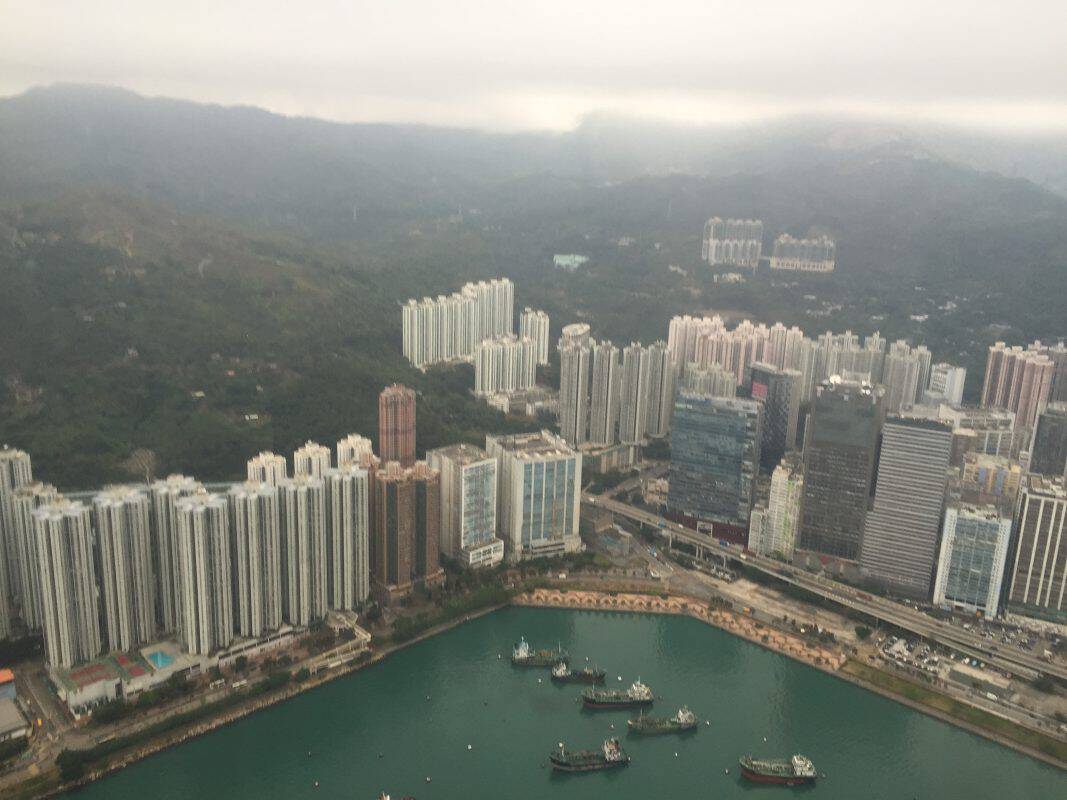
Tsim Sha Tsui (TST): Best for First-Timers, Families, and Harbour Views
Tsim Sha Tsui occupies the southern tip of the Kowloon Peninsula across Victoria Harbour, renowned for its panoramic skyline promenade, world-class museums, and shopping avenues. It offers the quintessential Victoria Harbour views looking back at Hong Kong Island, immediate Star Ferry access, and central rail lines heading into Kowloon. The primary trade-off is heavy street-level crowding along Nathan Road.
- Getting there from HKG Airport: Take the Airport Express to Kowloon Station (22 minutes) and take a short taxi, or take the direct Cityflyer Bus A21 down Nathan Road (approx. 45–55 minutes).
- Getting around: Major multi-line hub anchored by Tsim Sha Tsui MTR Station (Tsuen Wan Line), East Tsim Sha Tsui Station (Tuen Ma Line), and the Star Ferry Pier crossing to Central and Wan Chai.
- Who this neighborhood is best for:
- First-Time Visitors: Iconic views of the Victoria Harbour skyline and the nightly Symphony of Lights show.
- Families with Kids: Flat, stroller-friendly harbour promenades and direct walking access to the Hong Kong Space Museum, Science Museum, and Kowloon Park.
- Sightseers: Effortless ferry and subway transit to both Hong Kong Island and northern Kowloon markets.
- Who should avoid it: Travelers seeking quiet, low-density residential streets.
We stayed at the Sheraton Hong Kong during our very first trip to Hong Kong back in 2009. It was a great place to base ourselves for our first trip. Being able to step out of the hotel and be in TST and be able to access all of the food and shopping in the neighborhood was amazing. It also made it very easy to hop on the Star Ferry and cross Victoria Harbor. I also found an amazing spicy noodle house almost across the street from the hotel, but unfortunately it closed years ago.
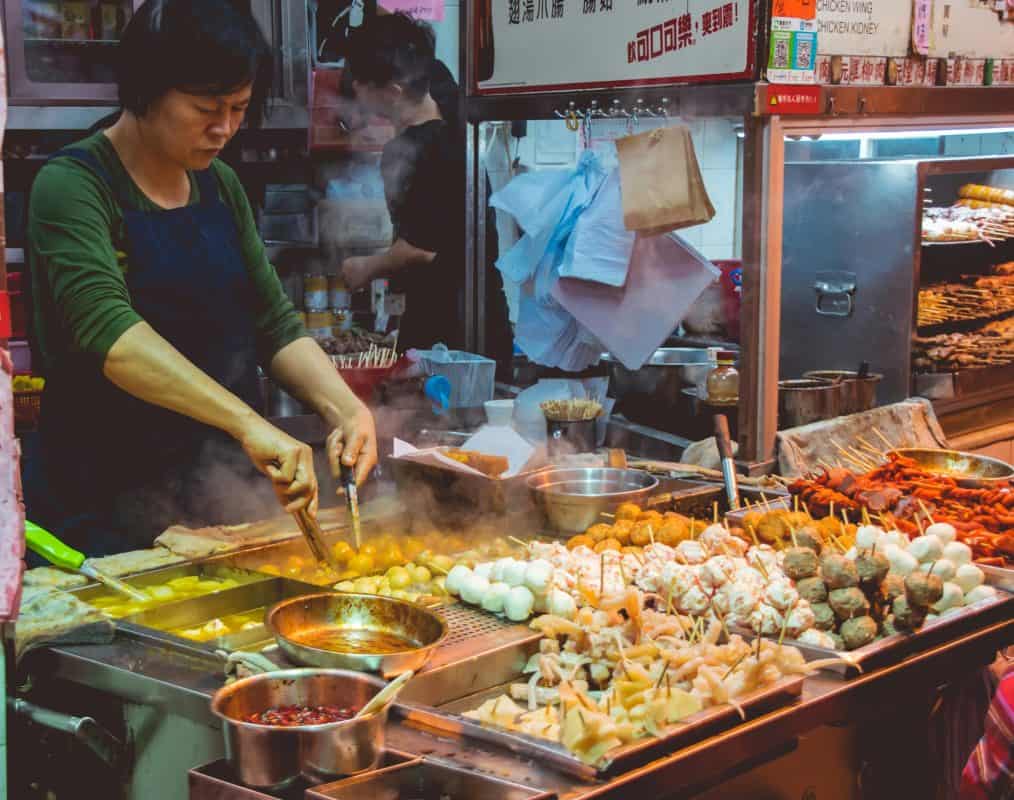
Mong Kok & Jordan: Best for Budget Travelers, Solo Explorers, and Street Food
Mong Kok and neighboring Jordan form the high-density cultural and commercial heart of central Kowloon, filled with neon signage, open-air markets, and late-night food stalls. It offers budget-friendly boutique hotels, 24-hour diners, and night markets operating until after midnight. The primary trade-off is high urban noise, dense foot traffic, and compact hotel room footprints.
- Getting there from HKG Airport: Take the Cityflyer Bus A21 directly to Nathan Road / Mong Kok (approx. 45 minutes) or take the Airport Express to Kowloon Station followed by a 10-minute taxi.
- Getting around: Served by Mong Kok MTR Station and Jordan MTR Station (Tsuen Wan & Kwun Tong lines), alongside Mong Kok East Station on the East Rail Line.
- Who this neighborhood is best for:
- Budget & Solo Travelers: Wide selection of affordable mid-scale and boutique hotels.
- Street Food Enthusiasts: Immediate access to late-night skewer stalls, claypot rice diners, and traditional bakeries.
- Shoppers: Steps from Ladies’ Market, Sneaker Street, and electronics corridors.
- Who should avoid it: Families needing large suites, quiet surroundings, or extensive resort amenities.
Causeway Bay: Best for Shoppers, Families, and Urban Leisure
Causeway Bay is a vibrant commercial district on eastern Hong Kong Island, flanked by expansive Japanese department stores, multi-level shopping malls, Victoria Park, and the Happy Valley Racecourse. It provides an energetic urban setting with green park spaces and traditional dim sum banquet halls. The primary trade-off is extreme shopping crowds on weekends.
We’ve never stayed in Causeway Bay, but have visited there several times. It’s a great place to meet friends for lunch or drinks. It is a very family-friendly part of Hong Kong.
- Getting there from HKG Airport: Take the Cityflyer Bus A11 directly to Causeway Bay (approx. 60 minutes) or take the Airport Express to Hong Kong Station and transfer to the Island Line.
- Getting around: Connected by Causeway Bay MTR Station (Island Line) and the Ding Ding Street Tram network connecting eastern and western Hong Kong Island.
- Who this neighborhood is best for:
- Shoppers: Massive density of retail centers including Sogo, Times Square, and Hysan Place.
- Families: Immediate access to Victoria Park’s playgrounds, open lawns, and swimming complex.
- Leisure Travelers: Easy access to Wednesday evening horse races at Happy Valley Racecourse.
- Who should avoid it: Travelers seeking quiet, fast direct transfers to the airport without traversing heavy shopping corridors.
Which Hong Kong Neighborhood Is Right For You?
| Neighborhood | Best Traveler Fit | Rate From (Nightly Baseline) | Nearest Transit Hub | Key Trade-Off |
| Wan Chai | Business, Food Lovers, Accessibility | 110 USD | Wan Chai MTR & Exhibition Centre MTR | High foot traffic during convention weeks. |
| Central & Soho | First-Timers, Luxury, Nightlife | 140 USD | Central MTR & Hong Kong Station (Airport Express) | Steep hills, staircases, and higher rates. |
| Tsim Sha Tsui | First-Timers, Families, Skyline Views | 120 USD | TST MTR & Star Ferry Pier | Busy sidewalks and commercial touts on Nathan Road. |
| Mong Kok & Jordan | Budget, Solo Explorers, Street Food | 80 USD | Mong Kok MTR & Jordan MTR | Compact rooms, noise, and high urban density. |
| Causeway Bay | Shoppers, Families, Leisure | 110 USD | Causeway Bay MTR & Tram Lines | Heavy weekend shopping congestion. |
What Under $100 Actually Gets You in Hong Kong
Hong Kong is not a budget travel destination, but it is possible to find accommodation for less than $100. That said, we’ve never spent that little on a room (other than when we housesat for a couple of weeks for friends!). I am not one to frequent mansions, guest houses, or hostels. We also like to stay in TST or Wan Chai, which will cost more.
- Under $50 USD: Mansions, partitioned guesthouses, and hostels (Chungking Mansions, Mirador Mansions, Sincere House). Rooms are often 60–80 square feet, the shower is directly over the toilet, windows are often non-existent or face an internal airshaft, and you wait in 15-minute queues for residential elevators.
- $65 – $95 USD: Clean, licensed, modern 3-star micro-hotels and local business chains (e.g., iclub, Mini Hotel Central/Causeway Bay, MK Stay, Holiday Inn Express Mongkok, Dorsett Mongkok, or Metropark).
- Are they habitable? Yes. They are safe, spotlessly clean, have cold A/C, private ensuite bathrooms, and fast Wi-Fi.
- The catch: They are compact (often 110–140 square feet). Luggage has to slide under the bed, the bathroom is separated by frosted glass rather than a solid wall, and there are no amenities like swimming pools or full-service concierge desks.
Which Hotels in Hong Kong Best Serve These Neighborhoods?
Renaissance Hong Kong Harbour View Hotel (Wan Chai)
A premier waterfront convention property on northern Hong Kong Island offering panoramic Victoria Harbour views and refined on-site Cantonese dining.
- Nightly Rate From: 1,800 HKD (~230 USD) as of August 2026
- Why it earns a place: Connects directly via covered walkway to the HKCEC and sits within an easy walk of Bowrington Road markets, featuring the acclaimed Dynasty Restaurant on-site.
- Room type worth booking: Harbour View King Room on upper Executive Club floors (approx. 2,600 HKD / ~335 USD as of August 2026) for exclusive access to the top-floor Executive Lounge.
- One honest drawback: Heavily booked during major trade fairs at the convention center, leading to busy lobbies and elevated rates during peak exhibition dates.
In the U.S., we tend to avoid eating at the hotels that we stay at, at all costs. Though there have been a lot of improvements in hotel dining over the last decade. This doesn’t tend to be the rule when we’re traveling in Asia. At the Renaissance Hong Kong Harbor View, they have a great cocktail bar in the lobby that does some amazing Western food, as well as some fusion. We always recommend Dynasty for high-end Cantonese and Hong Kong dim sum.
Check out our complete guide on the Cost of Eating and Drinking In Hong Kong.
Book here.
Sheraton Hong Kong Hotel & Towers (Tsim Sha Tsui)
A landmark full-service property situated at the southern tip of Nathan Road overlooking Victoria Harbour, offering immediate access to Kowloon’s premier transit hubs.
- Nightly Rate From: 1,650 HKD (~210 USD) as of August 2026
- Why it earns a place: Located a three-minute walk from the Star Ferry Pier and direct underground concourse entrances to TST MTR station, making transit across the city effortless.
- Room type worth booking: Towers Harbour View Room (approx. 2,400 HKD / ~310 USD as of August 2026) for dedicated check-in and private lounge services.
- One honest drawback: Lower-floor standard rooms reflect traditional heritage proportions and feel more compact than newer builds.
In addition to being centrally located, we really like the swimming pool at the Sheraton. It has amazing views over Hong Kong, but the location is really key, particularly for a first-time visitor. Being able to step out of the Sheraton Hong Kong and onto Nathan Road just can’t be beat.
Book here.
The Peninsula Hong Kong (Tsim Sha Tsui)
A historic 1928 heritage grand hotel renowned globally for its colonial architecture, personalized service, and afternoon high tea.
- Nightly Rate From: 4,800 HKD (~615 USD) as of August 2026
- Why it earns a place: Sits directly opposite the harbour promenade and houses Michelin-starred Cantonese dining at Spring Moon and French gastronomy at Gaddi’s.
- Room type worth booking: Grand Deluxe Harbour View Room (approx. 6,800 HKD / ~870 USD as of August 2026) for front-row harbour views.
- One honest drawback: The ground-floor lobby experiences long daily public queues of visitors waiting for afternoon tea.
Book here.
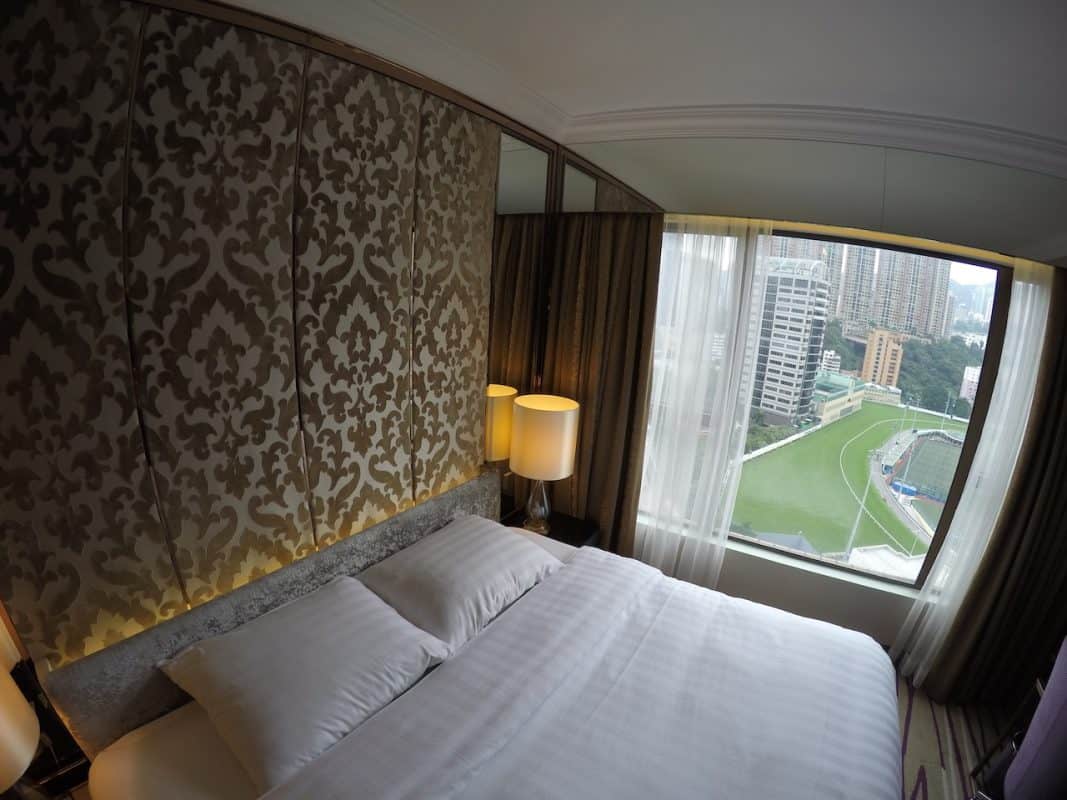
Dorsett Wanchai (Wan Chai / Happy Valley)
A contemporary mid-scale hotel located directly opposite the historic Happy Valley Racecourse, bridging Wan Chai and Causeway Bay.
- Nightly Rate From: 850 HKD (~110 USD) as of August 2026
- Why it earns a place: Offers direct access to neighborhood dining and racecourse views, supported by complimentary hotel shuttle routes to Central and Causeway Bay MTR stations.
- Room type worth booking: Racecourse View Room (approx. 1,250 HKD / ~160 USD as of August 2026) to watch live Wednesday night racing.
- One honest drawback: Located roughly an 8-to-10-minute walk from the nearest MTR subway entrance.
We stayed at the Dorsett during one trip. It was a lot of fun to explore a different part of Hong Kong, and our room had a view over the race track. But I did feel it was a little bit too quiet and not as centrally located. Our favorite places to stay tend to be super close to Victoria Harbor so that we can walk the harbor waterfront as well as be able to access the Star Ferry.
Book here.
Holiday Inn Golden Mile (Tsim Sha Tsui)
A centrally positioned, full-service hotel situated on lower Nathan Road with direct MTR entrance access right outside the lobby.
- Nightly Rate From: 950 HKD (~120 USD) as of August 2026
- Why it earns a place: Ideal for short layovers, quick city stopovers, and families needing straightforward transit access to Kowloon and Island attractions.
- Room type worth booking: Executive Club Room (approx. 1,500 HKD / ~190 USD as of August 2026) for lounge benefits and quiet floor positioning.
- One honest drawback: The immediate sidewalk outside on Nathan Road is among the most congested pedestrian thoroughfares in the city.
We stayed at the Holiday Inn once during a very quick layover, where we landed in the evening and we took off in the afternoon the following day. We chose the Holiday Inn Hong Kong because it was centrally located in TST so that we could eat as much as possible the night we arrived and the morning before we left. A little bit more on the budget value side, and because it was a short stay, we didn’t want to invest in something like the Renaissance or the Sheraton or a luxury boutique property.
Book here.
The Murray, Hong Kong (Central)
A luxury architectural preservation hotel occupying a converted modernist government tower along Cotton Tree Drive beside Hong Kong Park. We are fans of the Niccolo hotel brand, and the Murray Hong Kong is part of that brand.
- Nightly Rate From: 2,800 HKD (~360 USD) as of August 2026
- Why it earns a place: Combines quiet, spacious rooms with rooftop dining at Popinjays and direct walking access down to Central’s financial core.
- Room type worth booking: N1 Deluxe Room (approx. 3,600 HKD / ~460 USD as of August 2026) featuring distinctive deep-set geometric window bays.
- One honest drawback: Walking back to the property from Central requires navigating steep uphill grades along Garden Road.
Book here.
What Should You Avoid When Booking a Hotel in Hong Kong?
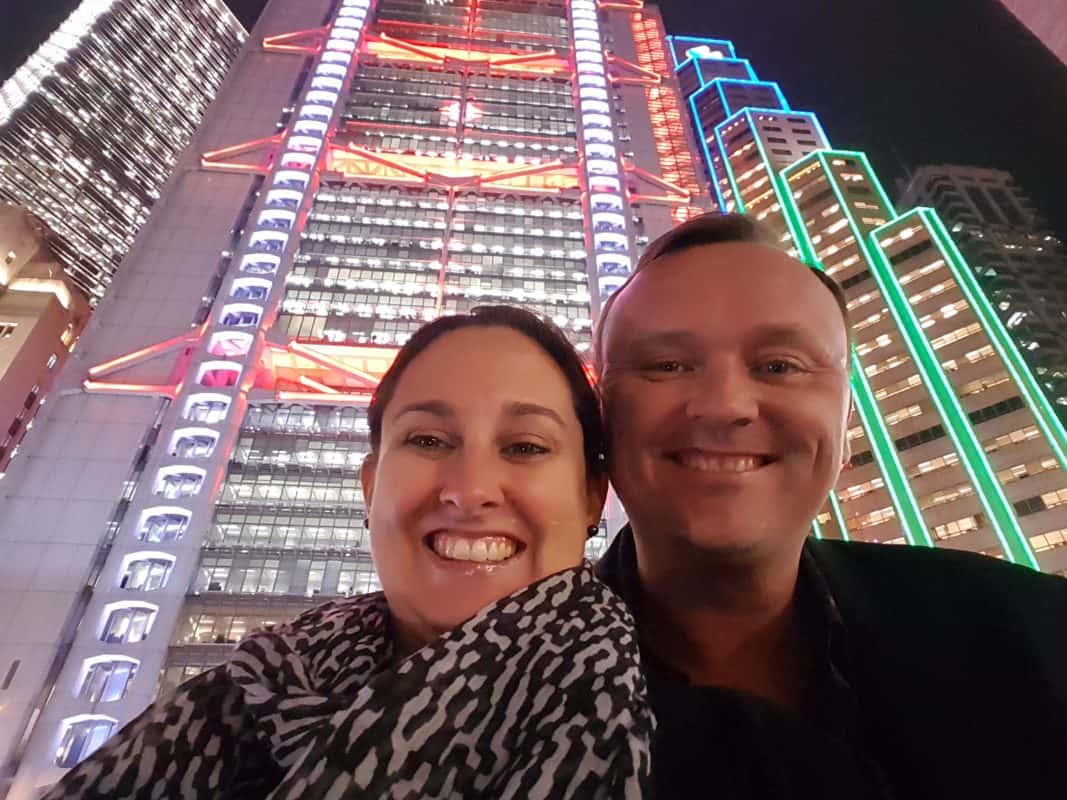
Although most people look at us as expert travelers, we do sometimes make mistakes. And, that often is because we don’t do our homework when booking hotels. We have stayed near the airport once, before an early morning departure, but otherwise it’s pretty far from all of the famous things to see in Hong Kong!
- Booking Airport or Lantau Island Hotels for Sightseeing Trips: Properties in Tung Chung or near Hong Kong Disneyland seem convenient for airport access, but require a 35-to-50-minute train ride every time you want to visit central markets, museums, or dining districts.
- Overlooking Major Trade Fair and Convention Dates: Hotel rates across Wan Chai, Central, and TST surge dramatically during peak international exhibitions (particularly April and October). Always check the convention calendar before locking in dates.
- Ignoring Incline Locations on Hong Kong Island: Hotels situated in “Mid-Levels” or upper Sheung Wan often require walking up steep outdoor stairs or navigating winding roads that make walking with luggage or strollers difficult.
- Assuming All Kowloon Properties Offer Subway Access: Certain outer Kowloon districts (such as parts of Hung Hom or western Tai Kok Tsui) require long walks through overhead highway walkways to reach an active MTR station.
How Much Should You Expect to Pay For a Hotel in Hong Kong?
Hotel pricing in Hong Kong shifts according to the trade convention calendar and seasons, with peak pricing in autumn (October to November) and spring (March to April), and lower rates during hot summer months (July to August) and non-holiday winter periods. You can sort hotels by your budget on Booking.com.
- Budget & Entry-Level (65–110 USD / 500–850 HKD per night): Compact, functional boutique hotels and limited-service properties (e.g., Holiday Inn Express or Dorsett properties) offering clean rooms near local transit.
- Mid-Range & Full-Service (130–240 USD / 1,000–1,850 HKD per night): Full-service business and lifestyle hotels (e.g., Renaissance Harbour View or Sheraton Hong Kong) featuring fitness centers, on-site dining, and direct subway connectivity.
- Luxury & Heritage 5-Star (350–700+ USD / 2,700–5,500+ HKD per night): Iconic luxury properties and world-renowned heritage flagships (e.g., The Peninsula Hong Kong or The Murray) with panoramic harbour views and signature fine-dining venues.
Frequently Asked Questions: Where to Stay in Hong Kong
Which neighborhood is best for a first-time visitor to Hong Kong?
Tsim Sha Tsui in Kowloon and Central on Hong Kong Island are the two best areas for first-timers, providing iconic harbour views, historic sights, and immediate access to the MTR, Star Ferry, and Airport Express.
Is it better to stay on Hong Kong Island or in Kowloon?
Hong Kong Island (Central, Wan Chai, Causeway Bay) is best for business, colonial heritage, vibrant nightlife, and tram rides, while Kowloon (Tsim Sha Tsui, Mong Kok) is superior for classic skyline views, open-air night markets, and street food.
What is the most family-friendly neighborhood in Hong Kong?
Tsim Sha Tsui and Causeway Bay are ideal for families due to their flat, stroller-accessible promenades, expansive green parks (Kowloon Park and Victoria Park), and proximity to science and space museums.
How do you get from Hong Kong Airport to Central hotels?
The fastest transit method is the Airport Express train, which reaches Kowloon Station in 22 minutes and Hong Kong Station (Central) in 24 minutes for 105–115 HKD (~13.40–14.70 USD). From there, travelers connect via short taxi rides, MTR subway lines, or hotel shuttles.
Do Hong Kong hotels charge a service fee or accommodation tax?
Most Hong Kong hotels add a standard 10% service charge to the nightly room rate, and bookings are subject to the standard government Hotel Accommodation Tax. Ensure all taxes and service charges are factored into your final rate comparison.