Hong Kong’s beverage culture is one of the most distinctive in Asia, shaped by a rich collision of British colonial tea traditions and fast-paced Cantonese cafe culture. From bustling neighborhood cha chaan tengs (traditional tea restaurants) with formica tables and clattering ceramic cups to open-air herbal tea shops and street-side stalls, the vibrant world of Hong Kong drinks offers an incredible variety of comforting hot brews and refreshing iced favorites.
Over our regular trips to Hong Kong—staying at the Renaissance Hong Kong Harbour View in Wan Chai, exploring the dense backstreets of Kowloon and Central, and house-sitting in traditional residential neighborhoods—stopping into local cafes for an afternoon drink has always been a daily highlight. Here is our guide to 10 iconic, must-try drinks in Hong Kong.
*This post contains compensated links. Find more info in my DISCLAIMER. As an Amazon Associate, I earn from qualifying purchases.
Quick Facts: Traditional Drinks In Hong Kong
| Drink (English) | Cantonese Romanization | Category & Base | Flavor Profile | How It Is Served |
| Hong Kong Milk Tea | Dong Lai Cha / Yit Lai Cha | Black Tea & Evaporated Milk | Bold, creamy, robust, velvety mouthfeel. | Hot or Iced |
| Coffee-Tea Mix | Yuen Yeung | Ceylon Tea, Drip Coffee & Milk | Complex, bittersweet, aromatic blend. | Hot or Iced |
| Iced Lemon Tea | Dong Ling Cha | Black Tea & Fresh Lemon Slices | Tangy, brisk, sweet, highly refreshing. | Iced with muddled lemons |
| Salted Lemon 7-Up | Ham Ling Chat | Salt-Cured Lime & 7-Up | Sweet, salty, fizzy, thirst-quenching. | Iced in a tall glass |
| Boiled Coke with Ginger & Lemon | Bo Ho Lok | Simmered Soda, Fresh Ginger & Citrus | Warm, spicy, soothing, herbal sweetness. | Steaming Hot |
| Red Bean Fleecy / Ice | Hung Dau Bing | Adzuki Beans, Milk & Crushed Ice | Sweet, creamy, dessert-like with tender beans. | Iced with a boba straw |
| Fresh Sugar Cane Juice | Jeep Jup | Freshly Pressed Green Cane | Crisp, vegetal, pure natural sweetness. | Chilled / Freshly Pressed |
| 24-Herb Tea | Yee Sup Sei Mei | Traditional Chinese Herbal Blend | Intensely bitter, earthy, deeply medicinal. | Warm in porcelain bowls |
| Five Flower Tea | Ng Fa Cha | Herbal Tisane (5 Dried Flowers) | Mildly sweet, floral, herbal and cooling. | Warm or Chilled |
| Sweet Almond Tea | Hang Yan Cha | Sweet Apricot Kernels & Rice | Silky, nutty, marzipan aroma, comforting. | Hot or Warm |
Table Of Contents
Traveling to Hong Kong? Check out our list of the Best Foods to Eat in Hong Kong.
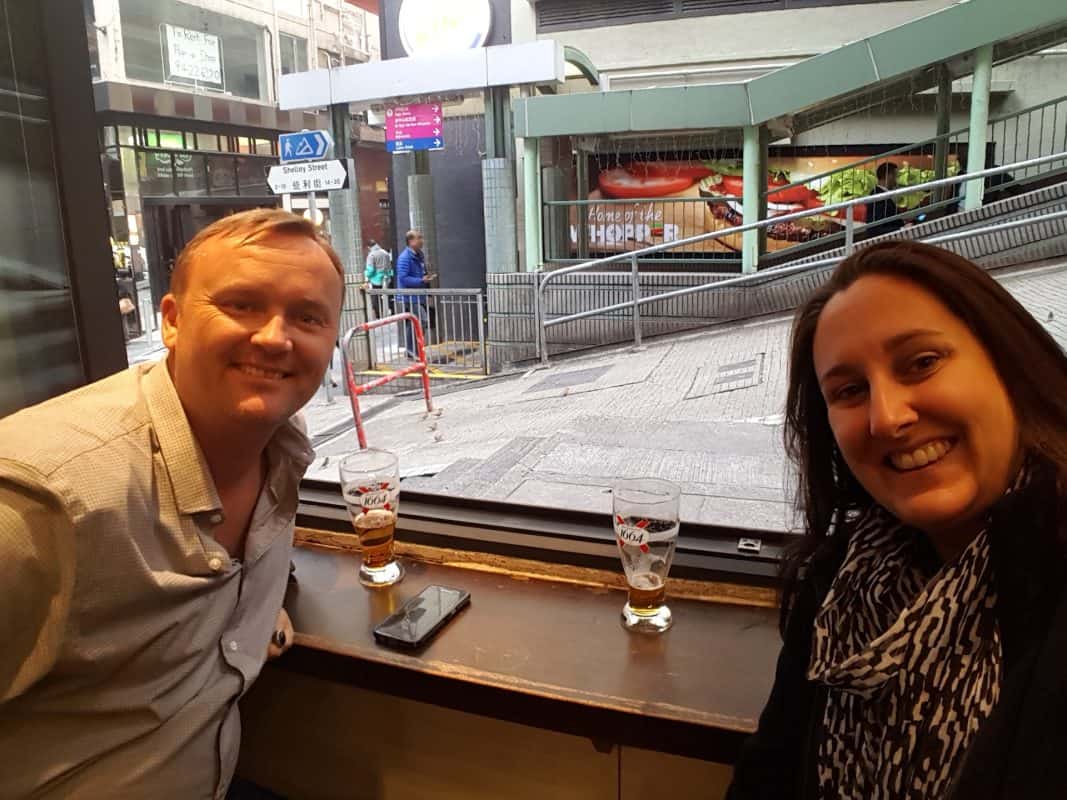
Hong Kong Cafe Culture & Where To Drink
The Historic Cha Chaan Teng
A cha chaan teng (literally “tea restaurant”) is a quintessential Hong Kong institution that emerged in the 1950s to serve affordable Western-influenced comfort foods and fast drinks to working-class locals.
Ordering an afternoon tea set (ha ng cha)—typically an iced milk tea paired with an egg tart or pineapple bun—is an essential cultural ritual. Classic spots include Australian Dairy Company in Jordan, Lan Fong Yuen in Central, and Mido Cafe in Yau Ma Tei. It’s one of the most famous things in Hong Kong.
Traditional Herbal Tea Apothecaries (Liang Cha)
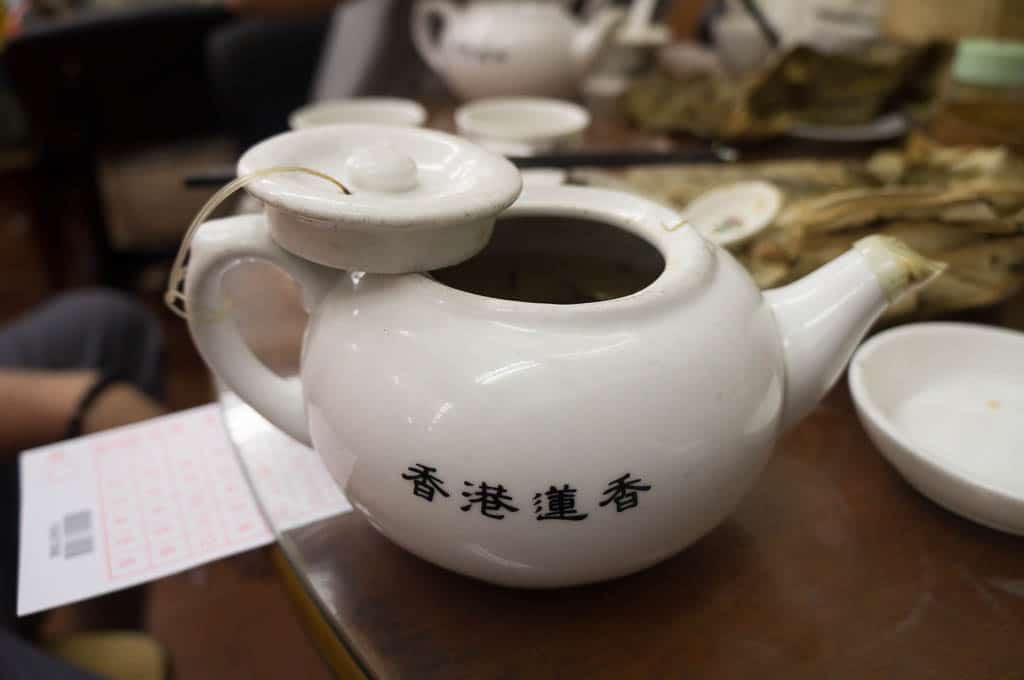
Tucked into narrow street corners across Wan Chai, Sheung Wan, and Mong Kok, traditional Chinese herbal tea shops (leung cha po) serve dark, bitter, time-tested medicinal brews poured from large, polished brass urns designed to balance bodily humidity and clear internal heat according to traditional Chinese wellness principles.
Looking for dim sum or yum cha in Hong Kong? Check out our list of the best dim sum in Hong Kong.
Heading to Hong Kong? Check out our complet guide on the Cost of Eating and Drinking in Hong Kong.
10 Must-Try Hong Kong Drinks
Hong Kong-Style Milk Tea (Dong Lai Cha / Yit Lai Cha)
Hong Kong-style milk tea is the territory’s undisputed signature drink, brewed with a proprietary blend of strong black Ceylon tea leaves and enriched with full-cream evaporated milk. Traditionally filtered through a fine cloth mesh sack (earning it the nickname “silk stocking milk tea”), it has a thick, velvety texture and an intense, robust tea finish. It is enjoyed hot in a thick ceramic cup or iced (dong lai cha) with simple syrup.
Yuan Yang: Coffee Blended with Milk Tea (Yuen Yeung)
Yuan Yang is a classic Hong Kong hybrid drink made by blending seven parts Hong Kong-style milk tea with three parts strong brewed drip coffee. Named after the Mandarin duck—where the male and female look completely different but pair for life—this beverage delivers a complex balance of roasted coffee bitterness and smooth, creamy tea aromatics.
Iced Lemon Tea: Fresh Citrus Ceylon Tea (Dong Ling Cha)
Iced lemon tea is Hong Kong’s everyday refresher, consisting of strong iced black Ceylon tea served over thick slices of fresh whole lemon. When your glass arrives at the table, use your long metal spoon to vigorously crush and muddle the lemon slices at the bottom of the glass to release the fresh juice and aromatic citrus oils directly into the sweetened tea.
Salted Lemon 7-Up: Fizzy Sweet and Savory Soda (Ham Ling Chat)
Salted Lemon 7-Up is a beloved local beverage made by muddling a preserved, salt-cured dried lime in the bottom of a glass filled with ice and topped with cold 7-Up or Sprite.
The combination of fizzy sweetness, citrus acidity, and briny salt creates an addictive electrolyte-rich drink popular for cooling off in Hong Kong’s summer humidity. It’s often paired with some traditional Hong Kong snacks for a pick-me-up in the afternoon.
Boiled Coke with Ginger and Lemon: Soothing Hot Soda Tonic (Bo Ho Lok)
Boiled Coke with ginger and lemon is a traditional Hong Kong home remedy and cafe drink made by simmering Coca-Cola in a saucepan with crushed fresh ginger root and sliced lemon. Served steaming hot in a mug, the heat and spice of the cooked ginger cut through the caramelized sweetness of the soda, making it a popular soothing tonic for cold weather and sore throats.
Red Bean Ice: Sweet Adzuki Dessert Drink (Hung Dau Bing)
Red Bean Ice is a nostalgic, dessert-style beverage featuring sweet, slow-simmered adzuki red beans layered at the bottom of a tall glass with crushed shaved ice and evaporated milk. Eaten with a long spoon and wide straw, the soft, creamy beans pair with the chilled sweet milk for a classic mid-afternoon cafe treat.
Fresh Sugar Cane Juice: Cold Pressed Cane (Jeep Jup)
Fresh sugar cane juice is pressed to order at specialized street-corner drink stalls across Kowloon and Hong Kong Island using heavy industrial rolling presses. Bright green, naturally sweet, and slightly grassy, vendors often run fresh ginger through the press alongside the peeled cane to add a refreshing spicy kick.
24-Herb Tea: Traditional Bitter Medicinal Brew (Yee Sup Sei Mei)
24-Herb Tea is Hong Kong’s most famous traditional Chinese herbal brew, made by boiling up to 24 different medicinal roots, barks, and leaves. Sold warm at specialized street-corner herbal apothecary shops, it is famously bitter and unsweetened, consumed quickly in a small porcelain bowl to clear internal heat (yeet hay).
Five Flower Tea: Fragrant Herbal Tisane (Ng Fa Cha)
Five Flower Tea is a gentler, naturally aromatic herbal tisane brewed from five specific dried flowers, including honeysuckle, chrysanthemum, and silk cotton blossoms. Light brown with a delicate floral fragrance and subtle natural sweetness, it is widely consumed to soothe digestion and cool the body.
Sweet Almond Tea: Silky Apricot Kernel Drink (Hang Yan Cha)
Sweet almond tea is a silky, comforting hot beverage made from ground sweet and bitter southern apricot kernels blended with rice water. It possesses a fragrant marzipan aroma and smooth, velvety consistency, often ordered at traditional dessert houses after dinner or on cool winter evenings.
Where to Stay in Hong Kong
Our go-to places to stay in Hong Kong across different travel styles and budgets:
- Renaissance Hong Kong Harbour View Hotel (Wan Chai – Waterfront & Business): While it caters exceptionally well to business travelers with direct covered access to the convention center, it makes exploring the entire city effortless. The Wan Chai Star Ferry pier sits right out front for fast scenic harbour crossings to Kowloon, the top-floor Executive Lounge offers panoramic skyline views, and the on-site Dynasty Restaurant serves some of the best Cantonese roast meats and dim sum in the city.
- Holiday Inn Golden Mile (Tsim Sha Tsui – Value & Transit Hub): The ultimate convenient, budget-friendly base in Kowloon. The hotel sits directly on lower Nathan Road with direct MTR subway entrances right outside the lobby, making it our top choice for quick layovers, overnight stopovers, and maximizing food crawls across both sides of the harbour.
- The Pottinger Hong Kong (Central – Boutique Stay for Food Lovers): An elegant heritage-inspired boutique hotel situated right on Stanley Street along the historic stone-slab steps of Pottinger Street. It places food lovers literally steps away from Wellington and Stanley streets—putting iconic culinary institutions like Yung Kee (roast goose), Mak’s Noodle, Luk Yu Tea House, and Tai Cheong Bakery right outside your front door.
Frequently Asked Questions: Hong Kong Drinks
What is the most famous drink in Hong Kong?
Hong Kong-style milk tea (Dong Lai Cha when iced, Yit Lai Cha when hot) is the most famous and iconic beverage in Hong Kong, consumed daily across hundreds of traditional cha chaan tengs and street stalls.
What is the difference between Hong Kong milk tea and Taiwanese bubble tea?
Hong Kong milk tea uses strong, concentrated Ceylon black tea leaves filtered through a cloth sack and blended with rich evaporated milk, whereas Taiwanese bubble tea uses standard brewed tea mixed with milk powder or fresh milk and filled with chewy tapioca pearls.
What does Yuan Yang taste like?
Yuan Yang tastes like a balanced hybrid of strong drip coffee and creamy black milk tea, offering the bold roasted aroma and bitterness of coffee alongside the smooth, floral finish and sweetness of milk tea.
How do you order less sweet drinks in a Hong Kong cha chaan teng?
To request reduced sugar in a Hong Kong cafe, ask for your drink Siu Tim (less sweet) or Jau Tim (no added sugar). To ask for less ice, say Siu Bing.