What’s not to love about Italian food? From pasta to pizza and everything in between, Italian food has it all. And then there are the incredible traditional Italian desserts. Here are some of the best Italian dessert recipes, all of which you can make at home.
*This post contains compensated links. Find more info in my DISCLAIMER. As an Amazon Associate, I earn from qualifying purchases.
What Is Italian Food Really?
For us, it’s the best food in the world. Growing up in New Jersey we were exposed to Italian food at an early age. Our first trip to Italy in 2000 opened our eyes to a whole new level of Italian food. And even after 20+ trips to Italy our love of all things Italian food continues to grow.
With a handful of regions still yet to explore, we can’t help but head back to our favorite region, Emilia-Romagna. Considered the best culinary region in Italy, its capital city of Bologna is a must for any food lover. For us, no trip to Emilia-Romagna is complete until we enjoy authentic lasagna, proper ragu, and of course some mortadella and Parma ham.
The Best Italian Desserts
The thing about Italian food, really, is that it is so regional. What’s eaten in the North is not eaten in the South. What we think of as Italian food in the US is often not really traditionally Italian. The same thing goes with traditional Italian baking and desserts!
Want to learn more about traveling in Italy for food? Check out these related posts:
Many people don’t know that Italy was a highly regionalized country until its unification in 1871. The country was until this time divided into dozens of independent states. Among many things, this division had an enormous effect on Italy’s food. Recipe, ingredients, and cooking techniques stayed within regions. Even to this day, what’s popular to eat in Lombardy isn’t popular in Puglia.
In addition to Italy’s past political divide, Italy’s climate plays a huge role in its regionalized cuisine. In northern Italy close to the Alps, you are going to find heavier dishes made with creams, cheeses, and earthy ingredients like nuts and mushrooms.
Travel south to Sicily or Calabria where summer temperatures can reach into the 90s, and you’ll find an entirely different offering. Dishes in southern Italy are lighter featuring olive oil, garlic, and of course tomatoes.
The regionality of Italy’s food is great giving food lovers a wide pallet of food to experience. But it can get a little out of hand. In our favorite region of Emilia-Romagna, one of the local breads is referred to by different names. If you are from Parma you call it torta fritta. If you are from Modena you call it gnocco fritto. The two cities are only 35 miles apart yet with two different names. Just makes me love Italy even more.
What Are Italian Desserts?
My first experience with Italian desserts were these delicious Italian cookies we would get from our local Italian bakery. To this day I don’t remember the name of the cookie but can still taste them. They were light yet filling. Buttery and not overly sweet. They were perfectly balanced. This balance is indicative of the range and variety of Italian desserts.
Italy’s location in the heart of the Mediterranean has had the biggest influence on its cuisine including desserts. Traders from Africa, the Middle East, and as far as Asia brought spices and ingredients to Italy. Over the centuries, cinnamon, vanilla, and other commonly used dessert ingredients were brought to Italy and found their way into many popular desserts. Desserts like sfogliatella and cannoli owe their existence to the spice trade and outside influence.
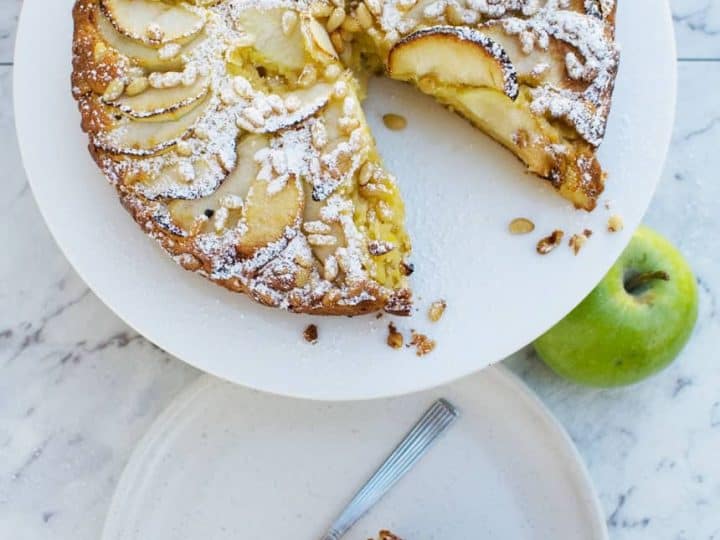
The desserts of Italy are mind-blowingly good. In all of our travels to Italy, I feel like we’ve barely scratched the surface on Italian desserts. I also feel like there’s a dessert for everyone. If you like cold desserts, there’s semifreddo. Prefer a crunchy dessert, biscotti. Is cake your dessert of choice? In Italy cakes like Italian Sponge Cake, Italian Chocolate Cake, and Italian Apple Cake are waiting to be sampled. And let’s not forget all the incredible pastry of Italy. Hungry yet?
Traditional Italian Desserts
Here are some of the most traditional Italian desserts. You can find the specific Italian dessert recipes at the bottom of the post.
Tiramisu
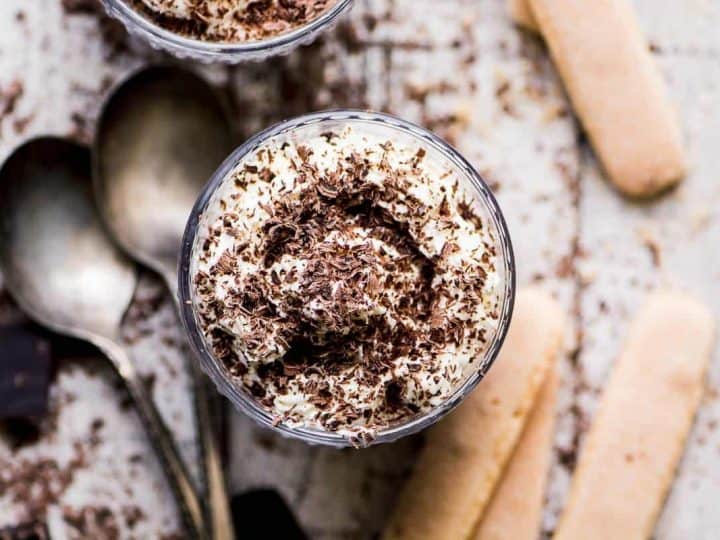
Aside from Ferrari and pizza, there is no other Italian word more recognizable than tiramisu. Arguably the most famous of all Italian desserts, it’s sweet without being overly sweet. Served cool, it’s refreshing after a proper Italian dinner feast. And, it seems like everyone has “the best” tiramisu recipe.
An interesting aspect about tiramisu is that the recipe is fairly new. Unlike many other famous Italian dessert recipes, the recipe for tiramisu dates back to the 1960/70s. There’s debate as to exactly when and where tiramisu was first made. Some say it was created at a restaurant in Treviso, northern Italy. Some say it is an older recipe dating back to the city of Siena in the 17th century. Regardless of when and where, let’s rejoice that we have it.
Like all great desserts, tiramisu only has a handful of ingredients. This lends people to get creative with their recipes. Don’t be surprised if you come across a tiramisu recipe without eggs, tiramisu cheesecake recipes, or a tiramisu trifle.
Panna Cotta
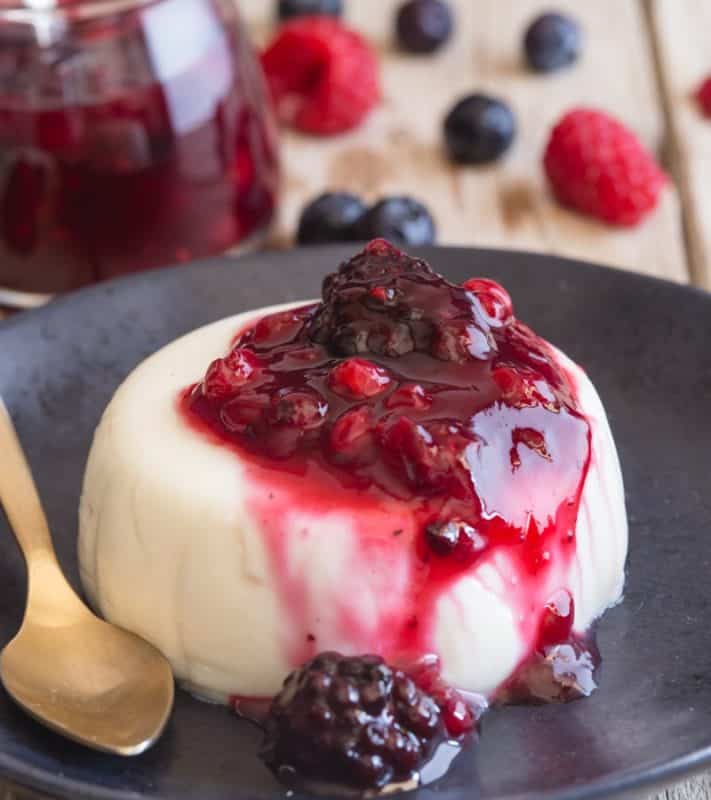
One of my favorite Italian desserts, panna cotta is a light, creamy dessert made using only a handful of ingredients. The ingredient that gives panna cotta its distinctive form is gelatine. When the panna cotta mixture of dissolved sugar, cream, and flavoring is poured into a mold, the gelatine helps it set.
The origins of panna cotta are grey at best. Believed to have first been made in the Piemonte region of northern Italy, when this happened isn’t clear. Some say a woman in the town of Langhe first made panna cotta back in the early 1900s. What brings this into dispute is that no Italian cookbook before the 1960s mentions panna cotta. There are similar dishes with different names, like “latte Inglese” in older Italian cooks but these recipes call for egg yolks which panna cotta does not.
Panna cotta is an adaptable dessert both in terms of how it can be flavored. Vanilla, coffee, and rum are the most popular ways to flavor the sugar and cream mixture. Several panna cotta recipes call for fruits, nuts, and figs as toppings when serving.
Italian Lemon Cake
Known in Italian as Ciambellone, this sinfully delicious cake is also referred to as Italian Lemon Pound Cake or most commonly as Italian Lemon Cake. One of the most recognizable cakes from Italy, regional variations of this cake can be found throughout Italy.
At its heart, Italian Lemon Cake is a ring-shaped cake made using flour, eggs, milk, and baking powder. The regional variations come into play with some versions using honey instead of sugar to sweeten. Other versions substitute Kamut flour for standard flour. While others substitute butter for oil.
The regional variations don’t stop at the main baking ingredients. While it’s called a lemon cake, it’s coming to see versions using oranges, hazelnuts, or mixed berries. In some parts of Italy like Calabria and Emilia Romagna, small versions are turned into donuts like pastries particularly around holidays like Christmas.
Like making desserts at home? Check out these recipe round ups:
Our list of dessert recipes includes traditional Italian dessert recipes as well as ones with a modern twist. We’ve tried our best to include as many easy Italian dessert recipes as possible. As we find and test out new recipes, we will continue to update.
Best Italian Dessert Recipes
What’s not to love about Italian food? From pasta to pizza and everything in between, Italian food has it all. And then there are the incredible Italian desserts. Here are some of the best Italian desserts recipes, all of which you can make at home.

This delicious and festive dessert seems complex, but it’s actually quite simple. This easy and delicious recipe is the best panna cotta without gelatin you’ve ever tried!

Don’t you love recipes that make it look like you spent hours making something that really took minutes? This Chocolate Panna Cotta (a dark chocolate twist in the classic) requires a mere 10 minutes of active time!
This tiramisu without eggs recipe is made in individual glasses for effortless summer entertaining. This classic Italian dessert made with ladyfinger biscuits, Kahlua, and creamy mascarpone cheese is epic!
Italian Christmas desserts don't have to be just for Christmas. Here's a Christmas cookie recipe you can make all year long! My mother's recipe that we make for all our family holidays, birthdays, weddings, and celebrations. Change the color of sprinkles to match your celebration!
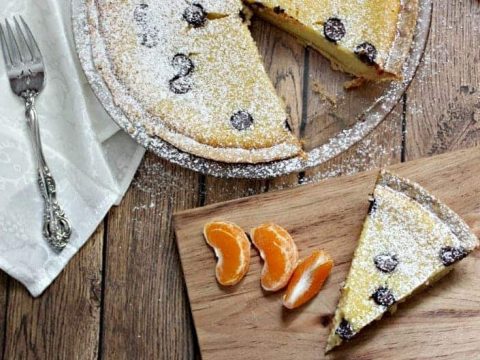
Gluten free Italian desserts don't have to be boring. You will love this delicious Gluten-Free Italian Easter Pie! Pastiera di Grano is an Italian dessert traditionally served at Easter but can be enjoyed year-round.
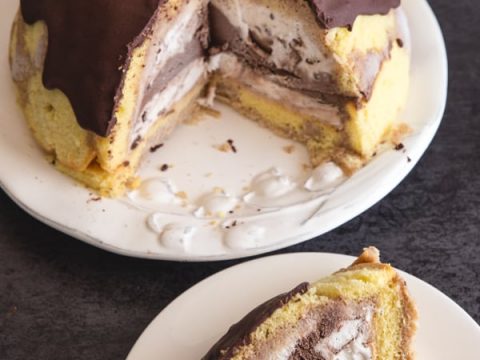
Zuccotto al Gelato is a Classic Italian dessert from Florence, made with an Italian Sponge Cake and 2 or 3 of your favorite ice cream flavors. Adding a chocolate drizzle brings it to the next level!

This Lemon Ricotta Cake makes the perfect light dessert or afternoon tea cake. The one-bowl Ricotta Cake with Lemon has such a light and fluffy texture - it's like bitting into a cloud!

A delicious Neapolitan traditional dessert, Sfogliatelle is a puff pastry that has about the same texture as a croissant - kind of. But its shape is that of a shell or a lobster tail filled with a special yummy custard.
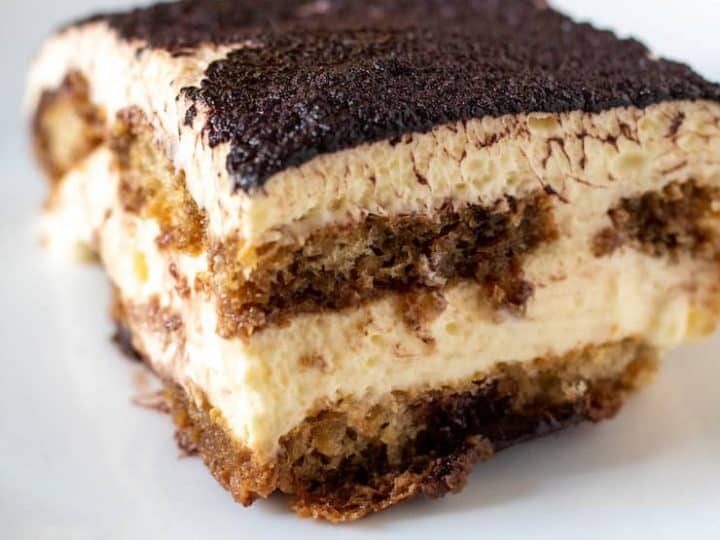
This authentic tiramisu recipe with ladyfingers dipped in coffee and rum and layered with a whipped mixture of eggs, sugar, and mascarpone cheese, an easy and authentic homemade Italian dessert.
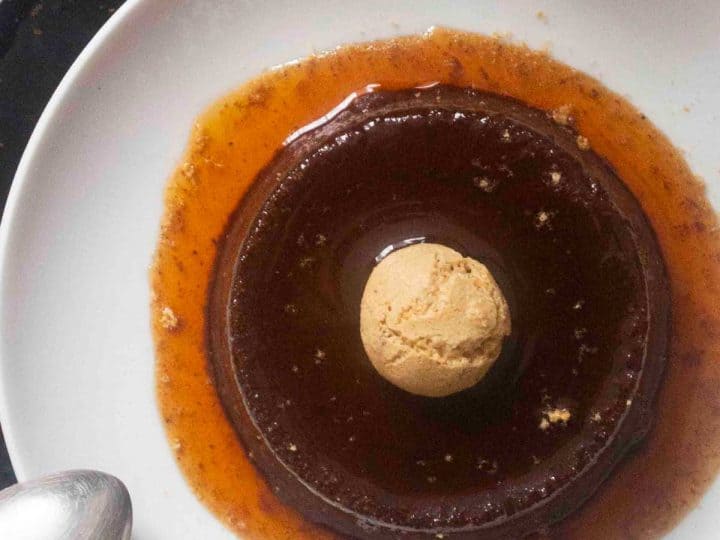
An authentic North Italian dessert, ‘Bonet Alla Piemontese’ is an Italian custard dessert sure to impress your friends. A perfect balance of sweet and bitter flavors in every spoonful – it’s not that hard to prepare; it just looks like it!
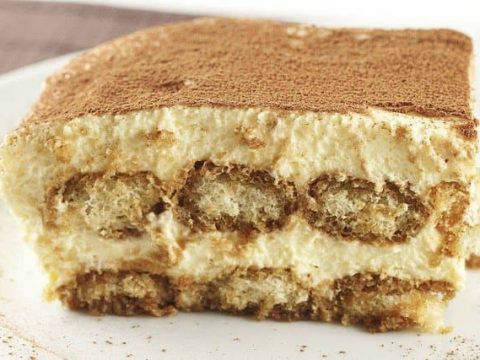
Your friends and family will love my tiramisu recipe. It's easy to make and I guarantee it will be the Best Tiramisu you've ever had! Can you believe that this classic dessert can be made in 30 minutes?

This Italian ricotta cake is super creamy, light, fluffy, and packed with flavors - you would never guess it's a baked cheesecake! It is a crowd-pleasing dessert the whole family will love.
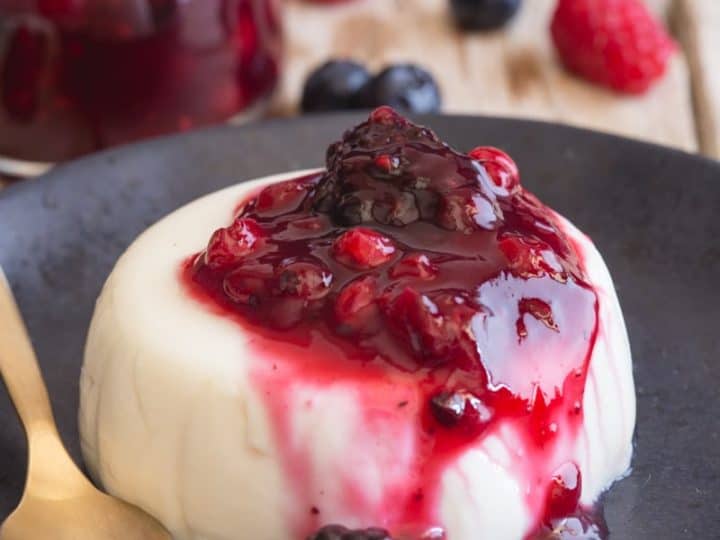
Panna Cotta one of the most delicious Classic Italian Dessert Recipes. A delicate and creamy chilled vanilla flavored treat. Serve it with this easy berry sauce, it makes the perfect Entertaining or Family Dessert.

This super-rich, creamy, tangy, no-frills, crustless Italian-style cheesecake is easier than you’d think to prepare at home! It’s always a HUGE hit with everyone at the table. Perfect for holiday desserts, dinner parties, and celebratory meals.

Chocolate Ricotta Mousse– easy and delicious 5-minute dessert made with ricotta cheese and cocoa powder. This creamy mousse will be your go-to dessert to satisfy your sweet tooth.
FAQs – Best Italian Desserts
What is a popular Italian dessert?
Is all of them a correct answer? Some of the most popular Italian desserts include panna cotta, gelato, and of course tiramisu. Italian cuisine is arguably the most popular cuisine in the World thanks in part to its delicious desserts.
What are some famous Italian pastries?
With 20 different regions making their own pastries the list of famous Italian pastries is long. At or near the top of that list would be cannoli, biscotti, and sfogliatella.
What dessert goes well after pasta?
In Italy, dinners have multiple course including an antipasti, primi (usually pasta), secondi (usually meat), and then dessert. While it’s perfectly ok to eat dessert after pasta, it’s not typically the case in Italy.
Eric Hoffman
Eric Hoffman is the co-founder of Food And Drink Destinations. Eric is a lifelong traveler who is passionate about helping people learn how to travel for food. He lives with his wife, Amber, in Limerick, Ireland, after spending 3 years living in Spain. Over the last 20 years, they've traveled to over 70 countries together, always in search of great food travel experiences. Eric also loves cooking at home, always looking to perfect his Italian recipes.
We use cookies to ensure that we give you the best experience on our website. If you continue to use this site we will assume that you are happy with it.
The most popular Italian desserts include classics like tiramisu, panna cotta, cannoli, and gelato. Each dessert showcases Italy's rich culinary heritage and diverse regional flavors, making them beloved worldwide.
How do I make traditional tiramisu?
Making traditional tiramisu involves layering coffee-soaked ladyfingers with a rich mixture of mascarpone cheese, eggs, and sugar, then dusting the top with cocoa powder. Chill before serving for the best flavor and texture.
What ingredients are needed for panna cotta?
The ingredients needed for panna cotta include heavy cream, sugar, vanilla extract, and gelatin. These simple components come together to create this deliciously creamy Italian dessert.
Can you suggest easy Italian dessert recipes?
Easy Italian dessert recipes include classic options like panna cotta, tiramisu, and affogato. These desserts are simple to prepare and require minimal ingredients, making them perfect for home cooks looking to indulge in Italian sweetness.
What is the history of Italian desserts?
The history of Italian desserts is rich and diverse, reflecting regional ingredients and traditions that date back to ancient Rome, evolving through the Renaissance and into modern times with both classic and innovative recipes.
How are Italian desserts different by region?
Italian desserts vary significantly by region due to local ingredients, traditions, and cultural influences. For example, Northern Italy features rich, creamy desserts like panna cotta, while Southern Italy is known for lighter, fruit-based treats such as granita.
What are common flavors in Italian desserts?
Common flavors in Italian desserts include rich chocolate, creamy mascarpone, fragrant vanilla, zesty citrus, and aromatic coffee, often enhanced by nuts and spices, reflecting the diverse regional influences across Italy.
How to serve Italian desserts at a party?
Serving Italian desserts at a party involves presenting a delightful variety that caters to different tastes. Consider offering classics like tiramisu and panna cotta in individual portions for easy serving, and complement them with fresh fruit or coffee for a complete experience.
What are the best toppings for Italian desserts?
The best toppings for Italian desserts include fresh fruits like berries or citrus, rich chocolate ganache, creamy mascarpone, and a dusting of powdered sugar or cocoa. These add flavor and enhance the visual appeal of the desserts.
How can I make gluten-free Italian desserts?
Making gluten-free Italian desserts involves substituting traditional wheat flour with gluten-free alternatives like almond flour, coconut flour, or a gluten-free flour blend. Additionally, ensure that all other ingredients, such as chocolate and baking powder, are also gluten-free.
What is the origin of cannoli?
The origin of cannoli is rooted in Sicily, Italy, where they were traditionally made by women during the Carnival season. This iconic dessert reflects the region's rich culinary heritage and has become a beloved treat worldwide.
How to decorate Italian desserts beautifully?
Decorating Italian desserts beautifully involves using fresh fruits, edible flowers, and artistic drizzles of chocolate or caramel. Incorporate vibrant colors and textures, and consider garnishing with herbs like mint for an added touch of elegance.
What are some no-bake Italian dessert options?
No-bake Italian dessert options include classic treats like tiramisu, panna cotta, and zuccotto. These desserts are easy to prepare and require minimal cooking, making them perfect for a quick and delicious indulgence.
How to pair Italian desserts with wine?
Pairing Italian desserts with wine enhances the dining experience. For creamy desserts like panna cotta, try a sweet Moscato, while rich tiramisu pairs beautifully with a robust espresso or a light Vin Santo.
What are the health benefits of Italian desserts?
The health benefits of Italian desserts include the use of fresh, natural ingredients like fruits, nuts, and dairy, which can provide essential nutrients. Additionally, many traditional recipes emphasize moderation, allowing for a satisfying treat that can fit into a balanced diet.
How to store Italian desserts properly?
Proper storage of Italian desserts is essential to maintain their flavor and texture. Most desserts should be kept in the refrigerator, covered with plastic wrap or in airtight containers, while some, like biscotti, can be stored at room temperature in a cool, dry place.
What are the best seasonal Italian desserts?
The best seasonal Italian desserts vary by region and time of year. Notable examples include Panettone during Christmas, Colomba at Easter, and fresh fruit tarts in summer, showcasing Italy's rich culinary traditions and seasonal ingredients.
How to make Italian desserts with chocolate?
Making Italian desserts with chocolate involves using rich ingredients like dark chocolate or cocoa powder in recipes such as tiramisu, chocolate panna cotta, or torta caprese. Melt the chocolate, combine it with other components, and follow traditional methods for a delicious result.
What are traditional Italian desserts for holidays?
Traditional Italian desserts for holidays include panettone, a sweet bread loaf filled with candied fruits, and pandoro, a fluffy, star-shaped cake. Other favorites are torrone, a nougat treat, and various regional pastries that celebrate festive occasions.
How to adapt Italian dessert recipes for kids?
Adapting Italian dessert recipes for kids involves simplifying ingredients and reducing sugar while maintaining flavor. Use kid-friendly flavors like chocolate or fruit, and consider making recipes interactive, such as assembling their own desserts, to enhance their enjoyment and engagement.
What are the most famous Italian pastries?
The most famous Italian pastries include classics like cannoli, filled with sweet ricotta, and sfogliatelle, known for their flaky layers. Other favorites are tiramisu, a coffee-flavored dessert, and panettone, a traditional holiday cake.
How to make Italian desserts with fruit?
Making Italian desserts with fruit involves incorporating fresh, seasonal fruits into classic recipes. For example, use strawberries in a panna cotta or layer peaches in a tiramisu for a delightful twist.
What are the key techniques for Italian baking?
The key techniques for Italian baking include mastering the dough-making process, understanding fermentation, and using high-quality ingredients. Additionally, techniques like layering, precise temperature control, and traditional baking methods enhance the authenticity of Italian desserts.
How to create a dessert platter with Italian treats?
Creating a dessert platter with Italian treats involves selecting a variety of classic desserts such as tiramisu, panna cotta, cannoli, and biscotti. Arrange them artfully on a serving board, garnishing with fresh fruits and mint for an appealing presentation.
What are the best Italian desserts for summer?
The best Italian desserts for summer include light and refreshing options like granita, a frozen treat made from flavored ice, and panna cotta, a creamy dessert often served with fruit coulis. These desserts are perfect for warm weather enjoyment.
How to infuse Italian desserts with coffee flavors?
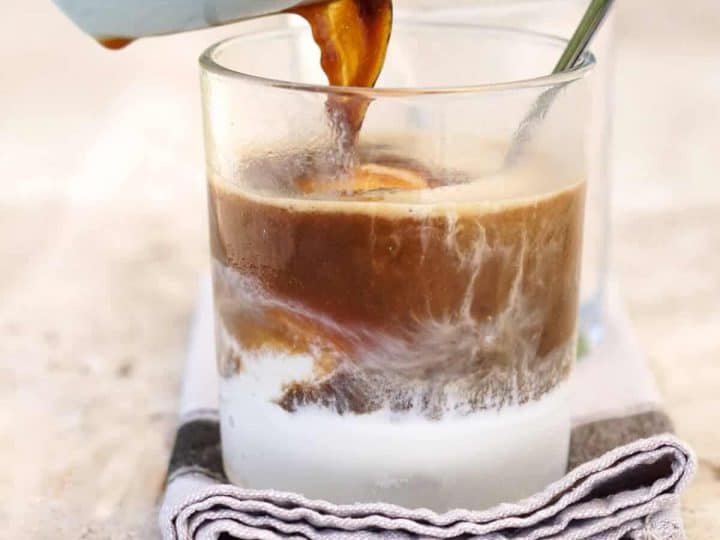
Infusing Italian desserts with coffee flavors can be achieved by incorporating brewed espresso, coffee liqueur, or instant coffee granules into recipes. Use these ingredients in tiramisu, panna cotta, or chocolate desserts for a rich, aromatic twist.
What are the essential tools for making Italian desserts?
The essential tools for making Italian desserts include mixing bowls, a whisk, a spatula, measuring cups, and a baking dish. Additionally, a food processor and a stand mixer can be invaluable for achieving the perfect texture in recipes like tiramisu and panna cotta.
How to make Italian desserts with mascarpone cheese?
Making Italian desserts with mascarpone cheese involves incorporating this creamy cheese into recipes like tiramisu or panna cotta. Simply blend mascarpone with sugar and flavorings, then layer or fold it into your dessert for a rich, velvety texture.
What are some unique Italian dessert variations?
Unique Italian dessert variations include regional specialties like Sicilian cannoli filled with sweet ricotta, Neapolitan pastiera made with wheat and ricotta, and Tuscan schiacciata with grapes, showcasing Italy's diverse culinary heritage.
italian dessert recipes, easy italian desserts, best italian desserts, italian deserts, desert italian, itslian desserts, italian dessert
The most popular Italian desserts include classics like tiramisu, panna cotta, cannoli, and gelato. Each dessert showcases Italy's rich culinary heritage and diverse regional flavors, making them beloved worldwide.
How do I make traditional tiramisu?
Making traditional tiramisu involves layering coffee-soaked ladyfingers with a rich mixture of mascarpone cheese, eggs, and sugar, then dusting the top with cocoa powder. Chill before serving for the best flavor and texture.
What ingredients are needed for panna cotta?
The ingredients needed for panna cotta include heavy cream, sugar, vanilla extract, and gelatin. These simple components come together to create this deliciously creamy Italian dessert.
Can you suggest easy Italian dessert recipes?
Easy Italian dessert recipes include classic options like panna cotta, tiramisu, and affogato. These desserts are simple to prepare and require minimal ingredients, making them perfect for home cooks looking to indulge in Italian sweetness.
What is the history of Italian desserts?
The history of Italian desserts is rich and diverse, reflecting regional ingredients and traditions that date back to ancient Rome, evolving through the Renaissance and into modern times with both classic and innovative recipes.
How are Italian desserts different by region?
Italian desserts vary significantly by region due to local ingredients, traditions, and cultural influences. For example, Northern Italy features rich, creamy desserts like panna cotta, while Southern Italy is known for lighter, fruit-based treats such as granita.
What are common flavors in Italian desserts?
Common flavors in Italian desserts include rich chocolate, creamy mascarpone, fragrant vanilla, zesty citrus, and aromatic coffee, often enhanced by nuts and spices, reflecting the diverse regional influences across Italy.
How to serve Italian desserts at a party?
Serving Italian desserts at a party involves presenting a delightful variety that caters to different tastes. Consider offering classics like tiramisu and panna cotta in individual portions for easy serving, and complement them with fresh fruit or coffee for a complete experience.
What are the best toppings for Italian desserts?
The best toppings for Italian desserts include fresh fruits like berries or citrus, rich chocolate ganache, creamy mascarpone, and a dusting of powdered sugar or cocoa. These add flavor and enhance the visual appeal of the desserts.
How can I make gluten-free Italian desserts?
Making gluten-free Italian desserts involves substituting traditional wheat flour with gluten-free alternatives like almond flour, coconut flour, or a gluten-free flour blend. Additionally, ensure that all other ingredients, such as chocolate and baking powder, are also gluten-free.
What is the origin of cannoli?
The origin of cannoli is rooted in Sicily, Italy, where they were traditionally made by women during the Carnival season. This iconic dessert reflects the region's rich culinary heritage and has become a beloved treat worldwide.
How to decorate Italian desserts beautifully?
Decorating Italian desserts beautifully involves using fresh fruits, edible flowers, and artistic drizzles of chocolate or caramel. Incorporate vibrant colors and textures, and consider garnishing with herbs like mint for an added touch of elegance.
What are some no-bake Italian dessert options?
No-bake Italian dessert options include classic treats like tiramisu, panna cotta, and zuccotto. These desserts are easy to prepare and require minimal cooking, making them perfect for a quick and delicious indulgence.
How to pair Italian desserts with wine?
Pairing Italian desserts with wine enhances the dining experience. For creamy desserts like panna cotta, try a sweet Moscato, while rich tiramisu pairs beautifully with a robust espresso or a light Vin Santo.
What are the health benefits of Italian desserts?
The health benefits of Italian desserts include the use of fresh, natural ingredients like fruits, nuts, and dairy, which can provide essential nutrients. Additionally, many traditional recipes emphasize moderation, allowing for a satisfying treat that can fit into a balanced diet.
How to store Italian desserts properly?
Proper storage of Italian desserts is essential to maintain their flavor and texture. Most desserts should be kept in the refrigerator, covered with plastic wrap or in airtight containers, while some, like biscotti, can be stored at room temperature in a cool, dry place.
What are the best seasonal Italian desserts?
The best seasonal Italian desserts vary by region and time of year. Notable examples include Panettone during Christmas, Colomba at Easter, and fresh fruit tarts in summer, showcasing Italy's rich culinary traditions and seasonal ingredients.
How to make Italian desserts with chocolate?
Making Italian desserts with chocolate involves using rich ingredients like dark chocolate or cocoa powder in recipes such as tiramisu, chocolate panna cotta, or torta caprese. Melt the chocolate, combine it with other components, and follow traditional methods for a delicious result.
What are traditional Italian desserts for holidays?
Traditional Italian desserts for holidays include panettone, a sweet bread loaf filled with candied fruits, and pandoro, a fluffy, star-shaped cake. Other favorites are torrone, a nougat treat, and various regional pastries that celebrate festive occasions.
How to adapt Italian dessert recipes for kids?
Adapting Italian dessert recipes for kids involves simplifying ingredients and reducing sugar while maintaining flavor. Use kid-friendly flavors like chocolate or fruit, and consider making recipes interactive, such as assembling their own desserts, to enhance their enjoyment and engagement.
What are the most famous Italian pastries?
The most famous Italian pastries include classics like cannoli, filled with sweet ricotta, and sfogliatelle, known for their flaky layers. Other favorites are tiramisu, a coffee-flavored dessert, and panettone, a traditional holiday cake.
How to make Italian desserts with fruit?
Making Italian desserts with fruit involves incorporating fresh, seasonal fruits into classic recipes. For example, use strawberries in a panna cotta or layer peaches in a tiramisu for a delightful twist.
What are the key techniques for Italian baking?
The key techniques for Italian baking include mastering the dough-making process, understanding fermentation, and using high-quality ingredients. Additionally, techniques like layering, precise temperature control, and traditional baking methods enhance the authenticity of Italian desserts.
How to create a dessert platter with Italian treats?
Creating a dessert platter with Italian treats involves selecting a variety of classic desserts such as tiramisu, panna cotta, cannoli, and biscotti. Arrange them artfully on a serving board, garnishing with fresh fruits and mint for an appealing presentation.
What are the best Italian desserts for summer?
The best Italian desserts for summer include light and refreshing options like granita, a frozen treat made from flavored ice, and panna cotta, a creamy dessert often served with fruit coulis. These desserts are perfect for warm weather enjoyment.
How to infuse Italian desserts with coffee flavors?
Infusing Italian desserts with coffee flavors can be achieved by incorporating brewed espresso, coffee liqueur, or instant coffee granules into recipes. Use these ingredients in tiramisu, panna cotta, or chocolate desserts for a rich, aromatic twist.
What are the essential tools for making Italian desserts?
The essential tools for making Italian desserts include mixing bowls, a whisk, a spatula, measuring cups, and a baking dish. Additionally, a food processor and a stand mixer can be invaluable for achieving the perfect texture in recipes like tiramisu and panna cotta.
How to make Italian desserts with mascarpone cheese?
Making Italian desserts with mascarpone cheese involves incorporating this creamy cheese into recipes like tiramisu or panna cotta. Simply blend mascarpone with sugar and flavorings, then layer or fold it into your dessert for a rich, velvety texture.
What are some unique Italian dessert variations?
Unique Italian dessert variations include regional specialties like Sicilian cannoli filled with sweet ricotta, Neapolitan pastiera made with wheat and ricotta, and Tuscan schiacciata with grapes, showcasing Italy's diverse culinary heritage.
italian dessert recipes, easy italian desserts, best italian desserts, italian deserts, desert italian, itslian desserts, italian dessert