Hong Kong’s dessert scene is a vibrant nighttime ritual defined by warm, comforting sweet soups, delicate bakery pastries, and refreshing chilled fruit puddings. Unlike Western traditions centered on heavy cakes and buttery-rich frostings, traditional Hong Kong desserts prioritize natural Cantonese ingredients like slow-simmered beans, roasted black sesame, sweet almond kernels, and silky custards that soothe digestion and balance internal bodily heat.
Over our regular trips to Hong Kong—staying at the Renaissance Hong Kong Harbour View in Wan Chai, exploring the dense backstreets of Kowloon and Central, and house-sitting in traditional residential neighborhoods—visiting specialized dessert houses (tong sui po) after dinner has always been a favorite ritual. Here is our comprehensive guide to 15 iconic, must-try desserts in Hong Kong.
*This post contains compensated links. Find more info in my DISCLAIMER. As an Amazon Associate, I earn from qualifying purchases.
Quick Facts: Traditional Desserts in Hong Kong
| Dessert (English) | Cantonese Romanization | Category & Base | Flavor Profile | How It Is Served |
| Mango Pomelo Sago | Yeung Zhi Gam Lo | Chilled Fruit Soup | Sweet, citrusy, creamy with popping pomelo sacs. | Chilled in a bowl |
| Hong Kong Egg Tart | Daan Tat | Baked Custard Pastry | Flaky or shortcrust shell with warm, silky egg custard. | Fresh from the bakery |
| Mango Pancake | Mong Gwo Ban Kek | Chilled Rolled Crepe | Soft crepe filled with fresh ripe mango and whipped cream. | Chilled pillow parcel |
| Black Sesame Soup | Ji Ma Wu | Warm Sweet Soup (Tong Sui) | Rich, nutty, earthy, roasted aroma, velvety. | Served warm in a bowl |
| Tofu Pudding / Tofu Fa | Dou Fu Faa | Silky Soybean Curd | Delicate, melt-in-mouth tofu with ginger or brown sugar. | Warm or Chilled |
| Steamed Red Bean Bowl Pudding | Boot Jai Gou | Traditional Rice Cake | Chewy, jelly-like sweet brown sugar cake with whole adzuki beans. | Skewered on two bamboo sticks |
| Steamed Egg Milk Custard | Dun Daan | Steamed Dairy Custard | Silky, comforting, sweet and fragrant. | Warm in a porcelain bowl |
| Red Bean Soup | Hung Dau Tong | Sweet Bean Soup (Tong Sui) | Sweet, earthy, slow-cooked adzuki beans with aged dried citrus peel. | Warm or Chilled |
| Sweet Almond Soup | Hang Yan Wu | Ground Sweet Apricot Kernels | Creamy, silky, distinctive sweet marzipan aroma. | Served warm |
| Sweet Walnut Soup | Hup To Wu | Ground Roasted Walnuts | Thick, buttery, rich, deeply nutty warm paste. | Served warm in a bowl |
| Glutinous Rice Balls in Ginger Broth | Tong Yuen | Stuffed Rice Dumplings | Chewy, mochi-like balls filled with black sesame in spicy broth. | Hot in a bowl |
| Egg Waffles / Bubble Waffles | Gai Daan Tsai | Street-Style Griddled Waffle | Crispy outer honeycomb crust, soft, fluffy, custardy center. | Warm in a paper bag |
| Sweet Potato and Ginger Soup | Fan Sue Tong | Homestyle Sweet Soup (Tong Sui) | Sweet yellow potato chunks in a warming, spicy ginger-sugar broth. | Steaming Hot |
| Baked Sago Pudding | Siu Mai Bo | Baked Tapioca Custard | Caramelized golden custard crust with warm tapioca and lotus paste. | Warm from the oven |
| Steamed Double-Skin Milk Pudding | Seung Pei Nai | Double-Skin Dairy Pudding | Rich, delicate, velvety with a sweet milk skin on top. | Hot or Chilled |
Table of Contents
Traveling to Hong Kong? Check out our complete guide of what to eat in Hong Kong.
The Hong Kong Dessert Ritual: Tong Sui Po & Night Culture
The Traditional Tong Sui Po
In Hong Kong, dessert is not merely an afterthought at the end of dinner; it is an independent late-night social event. Locals gather after 9:00 PM at specialized dessert shops known as tong sui po (literally “sugar water shops”) to chat over steaming porcelain bowls of traditional sweet soups or chilled fruit creations. Famous heritage spots include Kai Kai Dessert in Jordan, Yee Shun Milk Company in Causeway Bay, and Chung Kee Dessert.
Cantonese Culinary Philosophy
Traditional Cantonese desserts are crafted around health and seasonal wellness. Ingredients such as black sesame, aged tangerine peel (chenpi), dried apricot kernels, walnuts, and ginger are chosen not just for their gentle sweetness, but for their ability to soothe dry throats, improve circulation, and cool or warm the body depending on the weather.
15 Must-Try Hong Kong Desserts
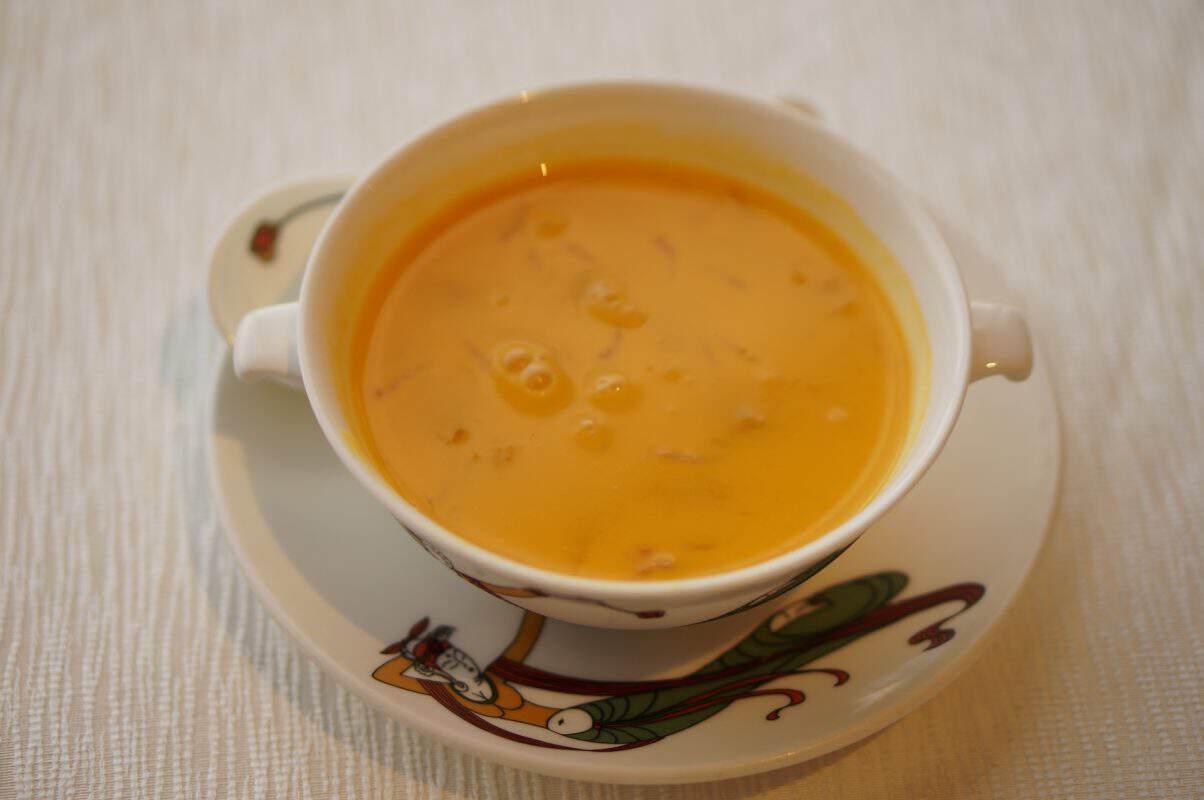
Mango Pomelo Sago: Chilled Mango Soup with Pomelo (Yeung Zhi Gam Lo)
Mango Pomelo Sago is Hong Kong’s most famous modern dessert creation, invented in the 1980s by the legendary Lei Garden restaurant. It features a silky, vibrant soup made from blended fresh mango and coconut milk, filled with chewy translucent sago pearls, fresh mango cubes, and tart, juicy pomelo pulp sacs that burst with citrus freshness in every bite.
Check out our complete guide on the Cost of Eating and Drinking in Hong Kong.
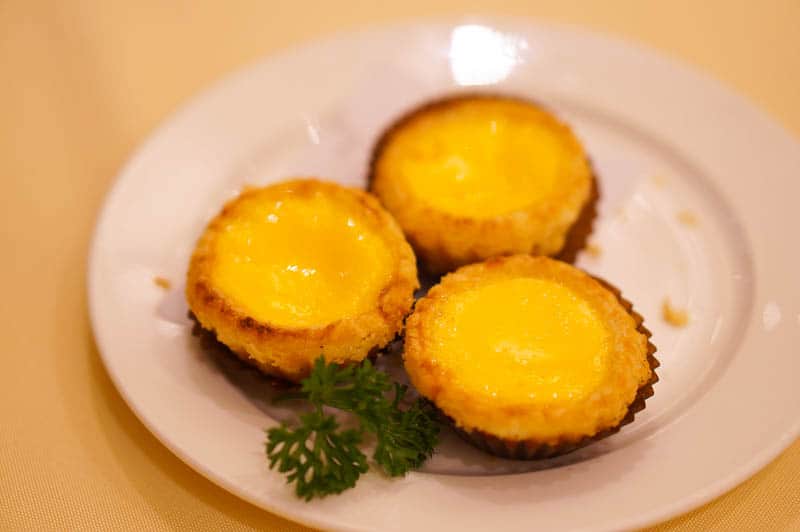
Hong Kong Egg Tart: Silky Custard in Flaky Pastry (Daan Tat)
The Hong Kong egg tart is an iconic bakery staple inspired by British custard tarts and Portuguese pastéis de nata, featuring a smooth, glossy yellow egg custard baked inside a pastry shell. Bakeries offer two distinct styles: a traditional flaky puff-pastry crust (pei daan tat) with dozens of buttery layers, or a crumbly, buttery shortcrust shell (kuk kei pei).
Eric and I are always going back and forth which is our favorite, the Hong Kong egg tart or Portuguese pastéis de nata. They are both delicious so do we really need to decide? You also don’t need to decide when to eat Hong Kong egg tarts. You can order them for breakfast in Hong Kong, or as part of your dim sum order.
Mango Pancake: Chilled Crepe Pillow with Fresh Mango (Mong Gwo Ban Kek)
A Hong Kong mango pancake is a dim sum dessert invention consisting of a paper-thin, bright yellow crepe folded into a neat rectangular pillow around sweet whipped cream and a thick slice of fresh ripe mango. Eaten cold with a fork, the airy cream and chilled, sweet fruit create a light, refreshing contrast to savory dim sum dishes.
Black Sesame Soup: Rich Roasted Sesame Paste (Ji Ma Wu)
Black sesame soup is a beloved Cantonese sweet soup made by finely grinding roasted black sesame seeds and short-grain rice with rock sugar and simmering the mixture into a thick, glossy, pitch-black paste. Intensely nutty and aromatic, this comforting warm dessert is celebrated for its deep roasted flavor and velvety smooth texture.
Tofu Pudding: Silky Sweet Soybean Curd (Dou Fu Faa)
Tofu Fa is an ultra-delicate, melt-in-your-mouth soybean pudding scooped in paper-thin layers into a shallow bowl using a flat wooden or metal spoon. It is served plain, allowing diners to customize their bowl with a drizzle of sweet golden ginger syrup or a spoonful of crunchy raw yellow cane sugar. Eric isn’t a fan of tofu so we don’t usually look for this on menus. But if you enjoy tofu, it’s certainly worth trying.
Put Chai Ko: Steamed Red Bean Bowl Pudding (Boot Jai Gou)
Put Chai Ko is a nostalgic Cantonese street dessert made by steaming rice flour, wheat starch, and brown sugar studded with whole adzuki red beans in small porcelain cups. Street vendors use two bamboo skewers to pop the chewy, translucent, jelly-like cake out of its mold, serving it on a stick as a portable daytime snack in Hong Kong.
Steamed Egg Milk Custard: Delicate Steamed Pudding (Dun Daan)
Steamed egg custard is a comforting, silky pudding made simply from whole eggs, fresh milk, and sugar, gently steamed until barely set. Served piping hot in classic porcelain bowls, the surface is mirror-smooth and delivers a delicate, comforting sweetness reminiscent of a lighter, warm custard.
Red Bean Soup: Sweet Adzuki Soup with Dried Tangerine Peel (Hung Dau Tong)
Red Bean Soup is a cornerstone of Cantonese tong sui, made by simmering dried adzuki beans with rock sugar until they soften into a thick, comforting soup. Authentic Hong Kong versions always include a piece of aged dried tangerine peel (chenpi), which infuses the earthy red beans with a subtle, aromatic citrus finish.
Sweet Almond Soup: Ground Apricot Kernel Cream (Hang Yan Wu)
Sweet almond soup is a smooth, ivory-colored dessert made by soaking and grinding sweet and bitter southern Chinese apricot kernels with rice water. Silky, light, and fragrant with a distinct natural marzipan aroma, it is enjoyed hot to soothe the throat and nourish the skin during cooler months.
Sweet Walnut Soup: Creamy Roasted Walnut Paste (Hup To Wu)
Walnut sweet soup is a rich, buttery dessert paste prepared by roasting whole walnuts, grinding them into a fine paste with rice flour, and simmering the mixture with water and rock sugar. Delivering a deeply comforting, roasted nutty flavor, it is frequently ordered on its own or swirled together in a single bowl with black sesame soup.
Tong Yuen: Stuffed Glutinous Rice Balls in Ginger Broth (Tong Yuen)
Tong Yuen are soft, chewy dumplings made from glutinous rice flour, stuffed with rich fillings like sweetened black sesame paste, crushed peanuts, or lotus seed paste. The dumplings are served bobbing in a hot, clear soup infused with crushed fresh ginger root and dark brown sugar, providing a warming contrast of textures.
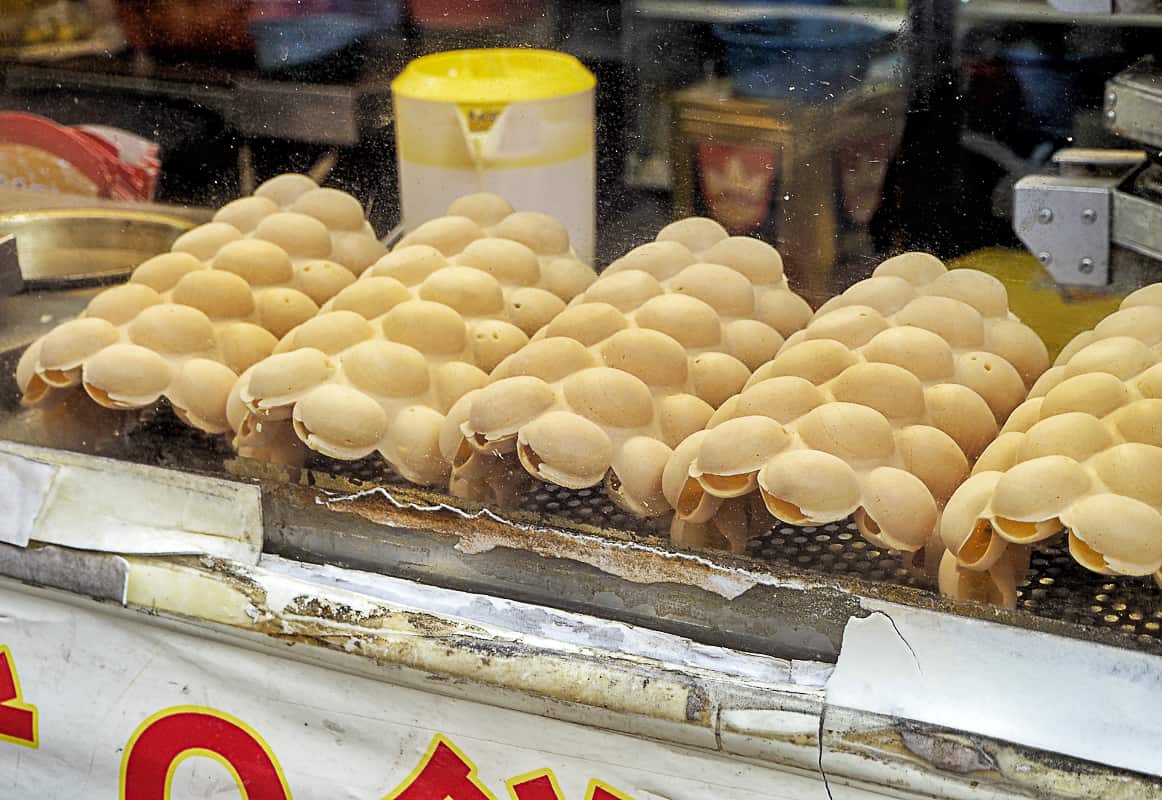
Egg Waffles: Bubble Waffles (Gai Daan Tsai)
Egg waffles are Hong Kong’s signature street-cart dessert, made by pouring a sweet, eggy batter into a customized spherical honeycomb griddle and flipping it over high heat. The result is a sheet of golden, tear-apart “bubbles” with a crisp, paper-thin exterior and a semi-hollow, soft, custardy interior. This is easily one of our favorite Hong Kong street food desserts, especially when topped with melted chocolate or strawberries.
Sweet Potato and Ginger Soup: Warming Sweet Potato Broth (Fan Sue Tong)
Sweet potato soup is a classic Cantonese home-style sweet soup made by simmering chunks of yellow or orange sweet potato with crushed old ginger and dark brown slab sugar. The fiery warmth of the ginger cuts through the natural sweetness of the soft potatoes, making it a favorite comfort dessert during rainy weather or winter evenings.
Baked Sago Pudding: Caramelized Tapioca Custard (Siu Mai Bo)
Baked sago pudding is a retro dessert house delicacy consisting of cooked tapioca sago pearls folded into a rich egg custard base over a hidden core of sweet lotus seed paste or taro. Baked in individual ceramic dishes until the top surface caramelizes to a golden brown, it offers a warm, custard-like texture with a chewy tapioca finish.
Steamed Milk Pudding: Double-Skin Milk Custard (Seung Pei Nai)
Double-skin milk pudding is a specialty dairy dessert originating from Shunde and perfected in Hong Kong, created through a multi-step steaming technique that forms a delicate, wrinkled skin of milk fat on the surface. Made with fresh whole milk and egg whites, it has a rich, velvety consistency and can be ordered warm or chilled.
Planning a Food Trip to Hong Kong?
Hong Kong is one of the world’s greatest dining capitals, from Michelin-starred dim sum to late-night dai pai dongs and roast goose. Staying near a central MTR line makes hopping between food hubs seamless:
- Central & Sheung Wan: Ideal for high-end dining, trendy wine bars, and heritage dim sum halls. In Central, we recommend the Four Seasons Hotel Hong Kong or the stylish The Murray, Hong Kong, a Niccolo Hotel. (Browse all Central & Sheung Wan Hotels on Booking.com)
- Tsim Sha Tsui (Kowloon): Perfect for iconic Victoria Harbour views, buzzing night markets, and street food. In TST, we recommend the Sheraton Hong Kong Hotel & Towers right along Nathan Road. (Browse all Tsim Sha Tsui Hotels on Booking.com)
- Wan Chai & Causeway Bay: A haven for local roast goose, wonton noodle shops, and traditional cha chaan teng cafes. In Wan Chai, we recommend the waterfront Renaissance Hong Kong Harbour View Hotel. (Browse all Wan Chai Accommodations on Booking.com)
Frequently Asked Questions: Hong Kong Desserts
What does “Tong Sui” mean in Cantonese?
Tong Sui literally translates to “sugar water” in Cantonese, and refers to the entire category of traditional sweet soups, custards, and warm dessert broths served across Hong Kong.
Where is the best place to eat traditional desserts in Hong Kong?
Specialized tong sui shops (tong sui po) such as Kai Kai Dessert in Jordan, Yee Shun Milk Company in Causeway Bay, and Chung Kee Dessert in Sham Shui Po offer the best selection of traditional hot and chilled Cantonese sweet soups.
Is Mango Pomelo Sago eaten hot or cold?
Mango Pomelo Sago is always served chilled or ice-cold, making it one of Hong Kong’s most refreshing summer desserts.
What is the difference between puff pastry and shortcrust egg tarts?
uff pastry egg tarts feature a multi-layered, flaky, and crispy laminated crust, while shortcrust egg tarts have a firm, crumbly, and buttery cookie-style shell similar to a Western tart crust.
What are the “Three Classic Black and White Pastes” in Hong Kong dessert shops?
The three foundational ground paste sweet soups in Cantonese dessert culture are Black Sesame Soup (Ji Ma Wu), Almond Soup (Hang Yan Wu), and Walnut Soup (Hup To Wu), often served individually or swirled together in yin-yang style bowls.